



 Close Menu
 World
World
 Biography
 Health
 Education
 Business
 Lifestyle
 Sports
 Technology
 Animals
 History
 Food
Food
 Religious
 Startups
 Movies
 Politics
 Fashion
 Covid
Covid
 Diet
Diet
 Fitness
 Marketing
 Travel
 Science
 Reviews
 Social media
 Stories
 Facts
Facts
 Art
Art
 Entertainment
samiksha

Technology
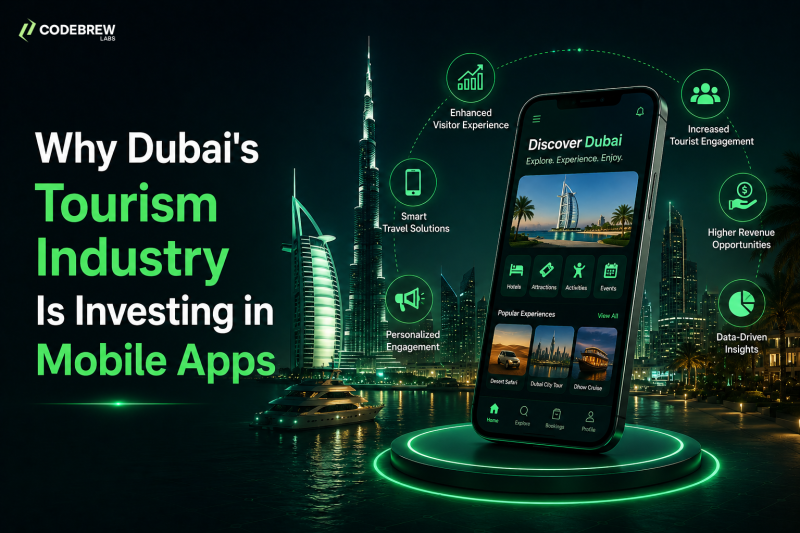
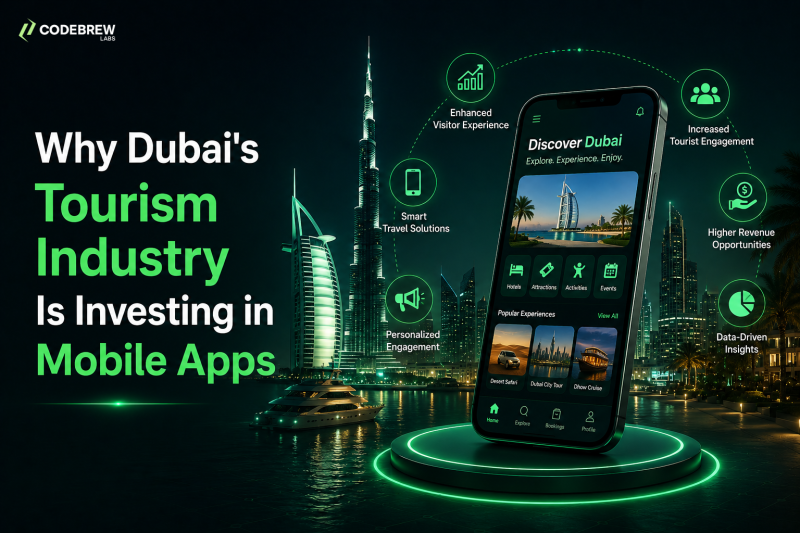
Why Dubai's Tourism Industry Is Investing in Mobile Apps
 samiksha
Dubai has established itself as one of the world's most sought-after travel destinations, attracting millions of visitors every year with its iconic skyline, luxury hotels, shopping festivals, cultural attractions, and world-class entertainment. As tourism continues to grow, so do travelers' expectations. Modern tourists want everything at their fingertips—from booking flights and hotels to exploring attractions, ordering transportation, and discovering local experiences.
This shift in traveler behavior has made mobile applications an essential part of the tourism ecosystem. Hotels, travel agencies, tour operators, airlines, restaurants, and entertainment venues are investing in custom mobile apps to deliver seamless digital experiences, improve customer satisfaction, and stay competitive in a technology-driven market.
In 2026, mobile applications are no longer just an added convenience—they have become a strategic investment for Dubai's tourism industry. Businesses are leveraging AI, cloud technology, location-based services, and personalized recommendations to create connected travel experiences that begin long before a visitor arrives and continue even after the trip ends.
The Digital Traveler Is Reshaping Tourism
Today's travelers rely heavily on smartphones to plan, manage, and enhance every stage of their journey. Instead of visiting multiple websites or contacting travel agents, they prefer using a single mobile application to organize their entire trip.
Modern travelers expect to:
- Search and compare hotels
- Book flights instantly
- Reserve tour packages
- Discover nearby attractions
- Order transportation
- Access digital tickets
- Make secure online payments
- Receive real-time travel updates
Businesses that offer these services through an intuitive mobile app are better positioned to attract and retain customers.
Mobile Apps Create Seamless Travel Experiences
One of the biggest reasons Dubai's tourism sector is investing in mobile applications is the ability to simplify complex travel experiences.
A well-designed tourism app allows users to:
- Plan complete travel itineraries
- Book accommodations
- Schedule activities
- Navigate unfamiliar locations
- Receive weather updates
- Access multilingual support
- Store digital travel documents
Instead of switching between different platforms, travelers enjoy a smooth, unified experience that saves time and reduces stress.
AI Is Making Tourism More Personalized
Artificial Intelligence is transforming how travel businesses interact with customers. AI-powered mobile apps analyze user preferences, travel history, budgets, and browsing behavior to deliver highly personalized recommendations.
Popular AI-powered features include:
Smart Travel Recommendations
AI suggests hotels, restaurants, attractions, and activities based on individual interests, making every trip more personalized.
Intelligent Chatbots
Virtual assistants provide 24/7 customer support by answering travel questions, assisting with bookings, recommending destinations, and resolving common issues instantly.
Dynamic Pricing
AI helps businesses optimize pricing based on demand, seasonality, customer behavior, and market trends, creating better revenue opportunities while offering competitive pricing.
Personalized Notifications
Travelers receive updates about flight schedules, booking confirmations, weather alerts, nearby attractions, and exclusive offers tailored to their itinerary.
Contactless Travel Is Becoming the New Standard
Convenience and safety continue to influence traveler expectations. Mobile applications enable contactless experiences throughout the travel journey.
Examples include:
- Digital hotel check-ins and check-outs
- Mobile room keys
- QR-code ticketing
- Contactless payments
- Digital boarding passes
- Self-service booking management
These features improve operational efficiency while enhancing guest satisfaction.
Location-Based Services Enhance Visitor Experiences
GPS and geolocation technologies allow tourism apps to provide contextual information based on a user's location.
Visitors can:
- Find nearby attractions
- Locate restaurants and cafés
- Discover shopping destinations
- Access public transportation
- Receive navigation assistance
- Explore hidden local experiences
Location intelligence helps businesses deliver timely recommendations that improve engagement and encourage additional spending.
Mobile Apps Improve Hotel Operations
Hotels across Dubai are investing in mobile technology to streamline guest services and improve operational efficiency.
Common hotel app features include:
- Online reservations
- Room selection
- Mobile check-in
- Digital concierge services
- In-room service requests
- Spa and restaurant bookings
- Loyalty rewards
- Guest feedback collection
These features reduce administrative workload while creating a premium guest experience.
Mobile Applications Support Tour Operators
Tour companies use mobile apps to simplify booking management and improve communication with travelers.
Benefits include:
- Instant tour bookings
- Digital itineraries
- Real-time schedule updates
- Secure payment processing
- Live customer support
- Group coordination
- Push notifications
This improves operational efficiency while delivering greater convenience for travelers.
Why Airlines and Airports Are Investing in Mobile Apps
Airlines and airports have also accelerated their digital transformation by introducing mobile-first services.
Modern travel applications help passengers:
- Book flights
- Check flight status
- Receive boarding notifications
- Access digital boarding passes
- Track baggage
- Purchase upgrades
- Navigate airport terminals
These features reduce waiting times and improve the overall travel experience.
Data Analytics Is Helping Tourism Businesses Grow
Every interaction within a mobile application provides valuable insights into customer preferences and behavior.
Businesses analyze:
- Popular destinations
- Booking patterns
- Seasonal demand
- Customer demographics
- Spending habits
- App engagement
- Customer feedback
These insights help tourism businesses improve marketing strategies, personalize offers, and make better business decisions.
Technologies Driving Tourism App Development
Modern tourism applications rely on several advanced technologies to deliver exceptional experiences.
Some of the most important include:
- Artificial Intelligence (AI)
- Machine Learning
- Cloud Computing
- Internet of Things (IoT)
- Augmented Reality (AR)
- Virtual Reality (VR)
- GPS and Geolocation
- Blockchain for secure transactions
- Big Data Analytics
- 5G Connectivity
Together, these technologies enable businesses to create intelligent, secure, and highly interactive travel platforms.
Essential Features Every Tourism App Should Include
A successful tourism app should provide travelers with convenience while helping businesses manage operations efficiently.
Key features include:
- User registration and profiles
- Flight and hotel booking
- Tour package management
- Digital payment integration
- Interactive maps
- AI-powered recommendations
- Multilingual support
- Push notifications
- Offline itinerary access
- Travel expense tracking
- Customer reviews
- Loyalty and rewards programs
- Emergency assistance
- In-app customer support
These features improve user satisfaction while increasing customer retention and revenue opportunities.
Why Investing in Tourism Apps Makes Business Sense
For tourism businesses in Dubai, mobile applications offer much more than customer convenience.
They help organizations:
- Increase direct bookings
- Reduce operational costs
- Strengthen brand loyalty
- Improve customer engagement
- Automate business processes
- Generate valuable customer insights
- Expand revenue opportunities
- Deliver personalized travel experiences
As competition continues to increase, businesses with innovative mobile applications are more likely to attract repeat visitors and stand out in the market.
The Future of Tourism Apps in Dubai
Dubai's tourism industry is embracing a future powered by intelligent technologies. AI-driven itinerary planning, voice-enabled travel assistants, immersive AR city guides, smart hotel automation, and predictive travel recommendations will continue to redefine visitor experiences.
As international tourism grows, mobile applications will become the central platform connecting travelers with airlines, hotels, attractions, transportation providers, restaurants, and entertainment venues. Businesses that invest in innovative digital solutions today will be better equipped to meet evolving traveler expectations and drive sustainable growth.
Conclusion
Dubai's tourism industry is rapidly adopting mobile applications to create seamless, personalized, and technology-driven travel experiences. From AI-powered recommendations and digital bookings to contactless services and real-time travel assistance, mobile apps are helping businesses improve customer satisfaction while increasing operational efficiency and revenue.
For tourism businesses looking to stay competitive in one of the world's fastest-growing travel markets, investing in a custom mobile application is no longer optional—it's a strategic advantage. At Code Brew Labs, we build intelligent, scalable, and feature-rich tourism and travel applications tailored to the needs of hotels, travel agencies, tour operators, airlines, and hospitality brands. By combining cutting-edge technology with exceptional user experiences, we help businesses deliver digital journeys that keep travelers engaged from the moment they plan their trip until long after they return home.
Source:
Click for the: Full Story
You might like




You Might Like this