Close Menu
 World
World
 Biography
 Health
 Education
 Business
 Lifestyle
 Sports
 Technology
 Animals
 History
 Food
Food
 Religious
 Startups
 Movies
 Politics
 Fashion
 Covid
Covid
 Diet
Diet
 Fitness
 Marketing
 Travel
 Science
 Reviews
 Social media
 Stories
 Facts
Facts
 Art
Art
 Entertainment
Ryan International

Business
Why is Light Soda Ash important for industrial applications?
 Ryan International
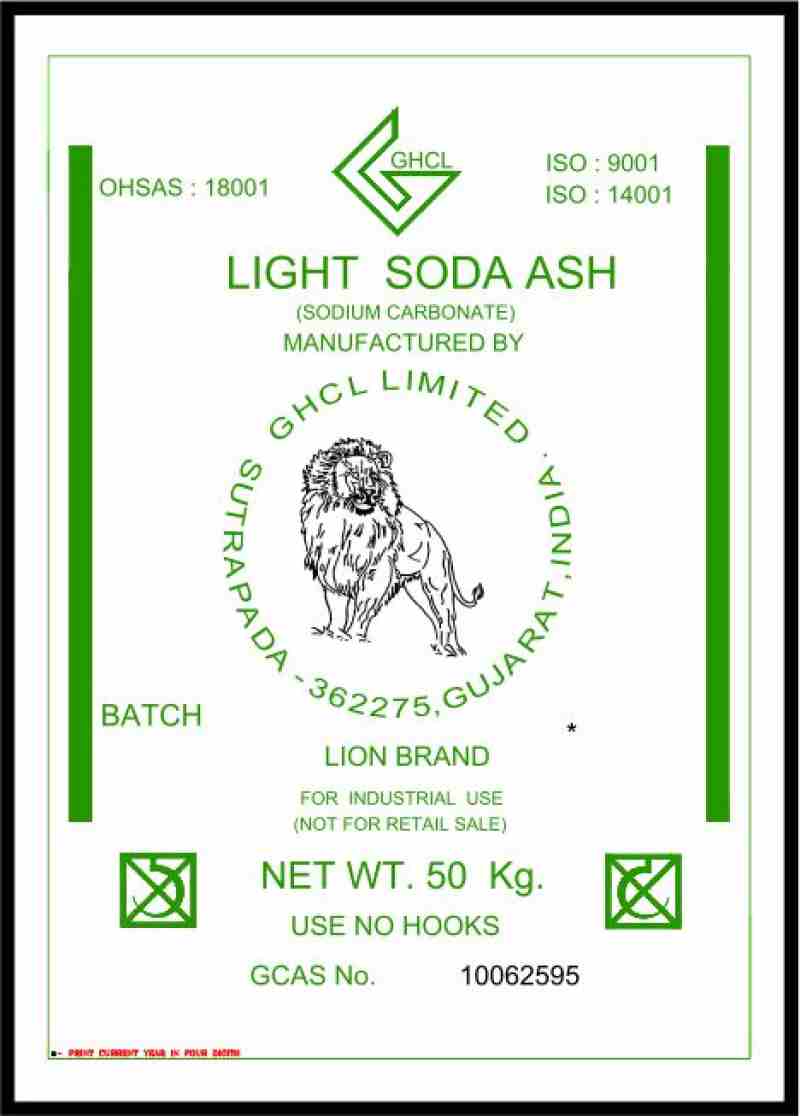
Light Soda Ash is a widely used industrial chemical valued for its versatility, solubility, and useful alkaline properties. Light Soda Ash is important for industrial applications because it supports efficient processing, consistent product quality, and reliable performance across several manufacturing sectors. It is commonly used in detergents, chemical processing, water treatment, textiles, pulp and paper, and other industries. Understanding its characteristics and applications helps businesses choose the right material for their production needs.
Key Takeaways
Key Points
- Light Soda Ash is useful across many industrial applications.
- Its solubility makes it suitable for several chemical and manufacturing processes.
- Consistent quality can support efficient production and product performance.
- Light and Dense Soda Ash have different physical characteristics and handling requirements.
- Reliable sourcing helps businesses maintain stable production and avoid supply interruptions.
Technical Explanation
Light Soda Ash is a form of sodium carbonate used as a raw material, processing agent, and pH-control chemical. Its alkaline nature makes it useful in processes where acidity needs to be controlled or where chemical reactions require an alkaline compound. Its ability to dissolve in water also makes it suitable for formulations and processes involving liquid solutions.
Different chemicals serve different industrial purposes. For example, Sodium Nitrite is used in applications such as metal treatment, chemical processing, and other specialized manufacturing operations. Businesses should therefore select materials according to their technical requirements instead of assuming that one chemical can replace another.
How Does Light Soda Ash Support Industries?
The broad usability of Light Soda Ash is one of its biggest advantages. In detergent manufacturing, it can help soften water and support the performance of cleaning formulations. This makes it a valuable component in processes where effective cleaning and stable formulation are important.
In chemical manufacturing, it can be used as a processing material and alkalinity regulator. Its properties allow manufacturers to incorporate it into different processes where controlled chemical conditions are required.
Water treatment is another important application. Proper pH and alkalinity are essential for many treatment processes, and soda ash can help maintain suitable conditions. Its practical handling and solubility make it convenient for many applications.
Businesses that purchase several industrial chemicals may also work with Soda Ash Chemical suppliers that offer a wider range of materials. This can simplify procurement and help companies maintain a more dependable supply chain.
The glass industry also has a strong connection with soda ash. However, manufacturers may require specific grades and physical characteristics depending on their process. Soda Ash Glass applications often require careful consideration of material specifications, while Dense Soda Ash may be preferred in certain operations because of its handling characteristics.
Step-by-Step Guide to Choosing the Right Product
Step 1: Identify Your Application
First, determine how the chemical will be used. Requirements can differ between detergent manufacturing, chemical processing, water treatment, textiles, and other industries. Understanding the application helps businesses select the appropriate material.
Step 2: Check Product Specifications
Review purity, physical properties, packaging, and other technical specifications before purchasing. Consistent specifications can help manufacturers maintain stable production conditions and predictable results.
Step 3: Compare Different Grades
Businesses should understand the difference between Light Soda Ash and Dense Soda Ash before making a decision. Although both are sodium carbonate, their density and handling properties can affect transportation, storage, and production processes.
Step 4: Evaluate Supply Reliability
A stable supply is important for manufacturers with regular raw material requirements. Working with dependable Light Soda Ash suppliers can help businesses reduce the risk of shortages and unexpected production interruptions.
Step 5: Consider Supplier Experience
Experienced suppliers generally understand industrial requirements and can provide appropriate product information, packaging options, and delivery support. Good communication can also make procurement more efficient.
Step 6: Plan Long-Term Requirements
Businesses should estimate regular consumption and storage requirements before placing orders. Proper planning can improve inventory management and reduce the possibility of emergency purchases.
Benefits of Consistent Quality
Consistent material quality is important because variations in raw materials can affect production processes and finished products. High-quality Light Soda Ash can help manufacturers maintain predictable processing conditions and reduce unnecessary waste.
Reliable supply also supports better production planning. When materials are available according to schedule, businesses can manage manufacturing activities more effectively. Companies that require multiple chemicals may source products such as Sodium Nitrite and other specialty materials from established suppliers, making procurement simpler and more organized.
Conclusion
Light Soda Ash remains an important industrial chemical because of its versatility, solubility, and suitability for numerous manufacturing processes. From detergents and water treatment to chemical processing and manufacturing, it can support efficient operations and consistent product performance. Businesses should carefully evaluate application requirements, product specifications, physical properties, supply capacity, and supplier reliability before purchasing. Understanding the difference between Light Soda Ash and Dense Soda Ash is particularly useful when handling and storage requirements vary. With proper selection and dependable sourcing, manufacturers can use soda ash effectively while supporting stable production and long-term operational efficiency.
FAQ Section
1. What is Light Soda Ash commonly used for?
It is widely used in detergents, chemical processing, water treatment, textiles, pulp and paper, and various manufacturing applications.
2. What is Soda Ash Glass used for?
Soda Ash Glass is widely used in manufacturing applications such as bottles, containers, windows, and other glass products. Soda ash helps lower the melting temperature of silica, making the glass production process more efficient and cost-effective.
3. Why is product quality important?
Consistent quality helps manufacturers maintain predictable processing conditions, reduce waste, and achieve more consistent finished products.
4. Is Sodium Nitrite the same as soda ash?
No. Sodium Nitrite and soda ash are different industrial chemicals with different properties, functions, and applications.
5. What should businesses consider before purchasing soda ash?
Businesses should evaluate application requirements, purity, physical characteristics, packaging, quantity, supplier reliability, and delivery capabilities before purchasing.
6. Why is a reliable supplier important?
A dependable supplier can help maintain consistent product availability, timely deliveries, stable quality, and smoother procurement, allowing manufacturers to focus on efficient production.
Source:
Click for the: Full Story
You might like