Close Menu
 World
World
 Biography
 Health
 Education
 Business
 Lifestyle
 Sports
 Technology
 Animals
 History
 Food
Food
 Religious
 Startups
 Movies
 Politics
 Fashion
 Covid
Covid
 Diet
Diet
 Fitness
 Marketing
 Travel
 Science
 Reviews
 Social media
 Stories
 Facts
Facts
 Art
Art
 Entertainment
Geet Patel
Food
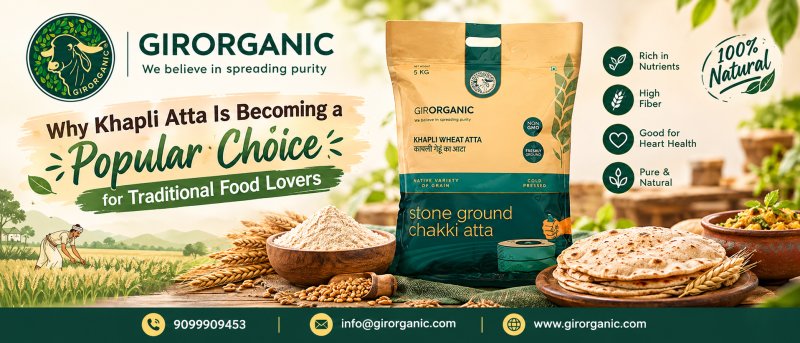
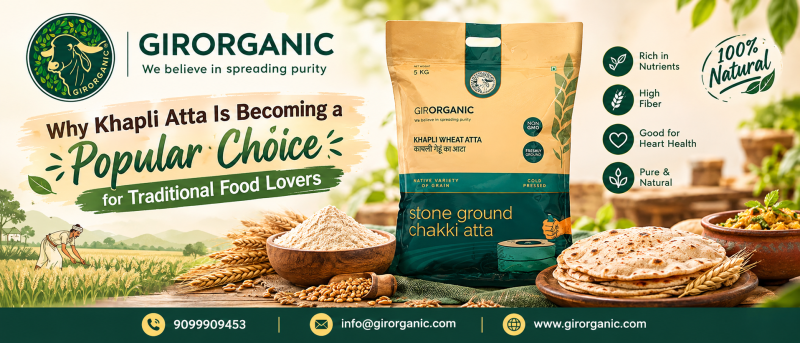
Why Khapli Atta Is Becoming a Popular Choice for Traditional Food Lovers
 Geet Patel
Introduction
Indian food has always been closely connected with grains, traditional cooking methods and simple ingredients. Today, as more people look for wholesome alternatives to highly processed staples, ancient grains are finding their way back into modern Indian kitchens. One such traditional grain is Khapli Atta, made from Khapli or Emmer wheat.
Known for its distinctive flavour and traditional character, Khapli wheat has been cultivated in India for generations. It is now attracting the attention of families who want to bring a more traditional approach to everyday meals without giving up convenience. Research and food experts commonly associate Emmer wheat with fibre, protein and minerals such as iron and magnesium.
For traditional food lovers, the appeal goes beyond nutrition. The earthy taste, wholesome texture and connection with heritage grains make it an interesting choice for everyday Indian cooking.
What Is Khapli Atta?
Khapli Atta is flour made from Khapli wheat, also known as Emmer wheat or Triticum dicoccum. It is an ancient type of wheat that differs from the modern wheat varieties commonly used for everyday flour.
Traditionally, Khapli wheat has been used in different parts of India, including regions of Maharashtra and South India. Government agricultural information also identifies Emmer wheat, commercially known as Khapli, as a grain used in Indian food preparations.
Unlike refined flour, whole-grain flour retains important parts of the grain. When traditionally milled, it can provide a characteristic aroma, texture and flavour that many people associate with traditional food.
Why Are Traditional Food Lovers Choosing Khapli Wheat?
The growing interest in heritage grains is not simply a trend. Many Indian consumers are becoming more conscious of where their food comes from, how it is processed and what ingredients they consume regularly.
Here are some reasons behind the growing popularity of Khapli wheat:
1. It Connects Modern Meals With Traditional Grains
Traditional Indian diets have historically included a wide variety of grains. Choosing heritage wheat is one way to rediscover ingredients that were used before highly standardised modern grain varieties became dominant.
For people interested in traditional food, Khapli wheat offers an opportunity to add an old Indian grain to familiar recipes such as rotis and parathas.
2. It Has a Distinctive Taste and Texture
One of the most noticeable characteristics of Khapli wheat flour is its earthy, mildly nutty flavour. Its texture can also differ from regular wheat flour.
This makes it appealing to people who enjoy food with a natural grain character. A simple roti prepared with traditional flour can have a different aroma and taste compared with everyday refined or heavily processed flour.
3. It Naturally Provides Fibre and Protein
One of the commonly discussed khapli atta benefits is its nutritional profile. Emmer wheat is recognised as a source of dietary fibre and protein, along with minerals such as iron and magnesium.
Dietary fibre is an important part of a balanced diet and supports normal digestive function. Protein, meanwhile, contributes to maintaining and repairing body tissues.
However, the nutritional value of any flour can vary according to the wheat variety, growing conditions and milling process. It is therefore better to view Khapli as one nutritious grain option rather than calling it a universally superior flour.
4. Traditional Stone Grinding Adds to Its Appeal
The way flour is processed matters to consumers who prefer traditional foods. Traditional stone-chakki grinding is often associated with slower milling and a more natural flour texture.
GirOrganic works with farmers in Maharashtra and describes its Khapli wheat as naturally grown and slowly ground using a traditional stone chakki.
This traditional approach fits well with the growing interest in minimally processed food and heritage-style preparation.
Khapli Wheat Benefits for Everyday Indian Meals
The potential khapli wheat benefits make it an interesting option for households looking to diversify their grain choices.
Some commonly recognised nutritional features include:
- Fibre: Helps support normal digestive health when included as part of a balanced diet.
- Protein: Contributes to daily protein intake.
- Minerals: Emmer wheat can provide minerals such as iron and magnesium.
- Traditional grain profile: Offers an alternative to commonly consumed modern wheat varieties.
- Distinctive flavour: Adds an earthy and mildly nutty character to Indian recipes.
Some sources also discuss the comparatively lower glycaemic response associated with Emmer wheat. However, glycaemic response can depend on the recipe, portion size, cooking method and the overall meal. Therefore, it should not be treated as a medical solution for diabetes.
How to Use Khapli Wheat Flour in Indian Cooking
One reason this flour is becoming popular is its versatility. Khapli wheat flour can be incorporated into several familiar dishes.
Everyday Ideas
You can use it for:
- Rotis and chapatis – A simple everyday option for Indian meals.
- Parathas – Combine with vegetables or traditional spices for flavourful meals.
- Bhakri-style preparations – Particularly suitable for people who enjoy regional Indian recipes.
- Thepla-style recipes – It can be experimented with alongside spices and herbs.
- Baked foods – Depending on the flour texture and recipe, it can also be used in selected homemade baked preparations.
When switching from regular wheat flour, start with familiar recipes and adjust the water quantity according to the flour's texture and absorption.
Choosing Good Khapli Flour
Not all flour products are processed in exactly the same way. If you are planning to buy Khapli Flour, consider these factors:
- Check whether the product clearly identifies the grain as Khapli or Emmer wheat.
- Look for transparent ingredient information.
- Check the packaging and freshness date.
- Consider the milling method if traditionally processed flour is important to you.
- Store the flour in a cool, dry place and protect it from moisture.
- If you have wheat allergy, coeliac disease or need to avoid gluten, remember that Khapli is still wheat and is not gluten-free.
For consumers who value traditional processing, GirOrganic offers Khapli wheat flour made from Emmer wheat and describes its product as stone-ground using a traditional chakki method.
Why GirOrganic Khapli Atta Fits the Traditional Food Trend
GirOrganic focuses on bringing traditionally inspired food products into modern households. Its Khapli wheat product is sourced from farmers in Maharashtra and slowly ground using a traditional stone chakki. The brand also describes the flour as chemical-free and made without pesticides, while listing Non-GMO Khapli Emmer wheat as the ingredient.
This combination of heritage grain, traditional milling and everyday usability makes the product relevant for consumers who want to explore traditional Indian food choices.
Frequently Asked Questions
Is Khapli wheat the same as Emmer wheat?
Yes. Khapli wheat is commonly known as Emmer wheat and belongs to the species Triticum dicoccum.
Is Khapli flour gluten-free?
No. Khapli is a type of wheat and naturally contains gluten. People with coeliac disease or medically diagnosed wheat-related conditions should avoid it unless advised otherwise by their healthcare professional.
Can I use Khapli flour for daily rotis?
Yes. It can be used for everyday rotis and parathas, although the texture and water requirement may differ from regular wheat flour. GirOrganic specifically positions its product for daily rotis and parathas.
Why is Khapli becoming popular again?
Its heritage status, distinctive flavour, fibre and protein content, and association with traditional food preparation are some of the reasons consumers are showing renewed interest in this ancient grain.
Conclusion
The renewed interest in Khapli Atta reflects a larger change in the way Indian consumers think about everyday food. Rather than focusing only on convenience, many households are exploring traditional grains, familiar recipes and simpler food-processing methods.
With its heritage background, distinctive taste and nutritional profile, Khapli wheat can be an interesting addition to a balanced Indian diet. Whether you enjoy soft rotis, flavourful parathas or regional grain-based recipes, choosing traditionally processed flour can help bring a touch of India's food heritage back to the everyday kitchen.
For those looking to explore this ancient grain in a convenient form, GirOrganic traditionally stone-ground Khapli wheat flour offers an option designed around traditional Indian food preferences.
Source:
Click for the: Full Story
You might like