Close Menu
 World
 Biography
 Health
 Education
 Business
 Lifestyle
 Sports
 Technology
 Animals
 History
 Food
 Religious
 Startups
 Movies
 Politics
 Fashion
 Covid
 Diet
 Fitness
 Marketing
 Travel
 Science
 Reviews
 Social media
 Stories
 Facts
 Art
 Entertainment
Daisy Adams

Business
Why Professional Security Camera Installation Matters for Home Protection
 Daisy Adams
Most of us lock the doors before bed and call it a night. That works until a package vanishes off the porch at 2 p.m., or you notice the side gate has been hanging open for who knows how long. Sooner or later, a lot of homeowners decide they’d like to actually see what’s going on outside.
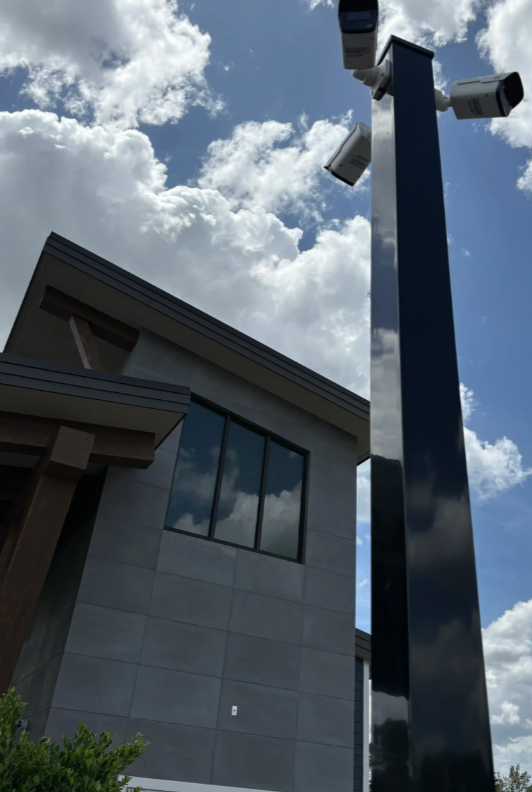
Grabbing a few cameras online is the easy part. Making them work is another story, and that’s where a proper security camera installation earns its money. Someone who does this for a living knows where a camera should sit, how to hide the cable, and how to set up the recorder so it doesn’t quit on you. Wirenut Technologies has handled this kind of work around central Florida for over 15 years, and the lesson from most jobs is the same: a little planning up front saves a lot of headaches later.
Where Do-It-Yourself Setups Slip Up
It’s usually the small stuff. A camera is mounted so high it only catches the tops of heads. Another faces west and goes blind every evening when the sun drops. A third relies on Wi-Fi that cuts out whenever someone runs the microwave. None of it sounds serious, but on the day you actually need the footage, those little mistakes are the difference between a clear face and a gray blur.
Choosing the Right Spots
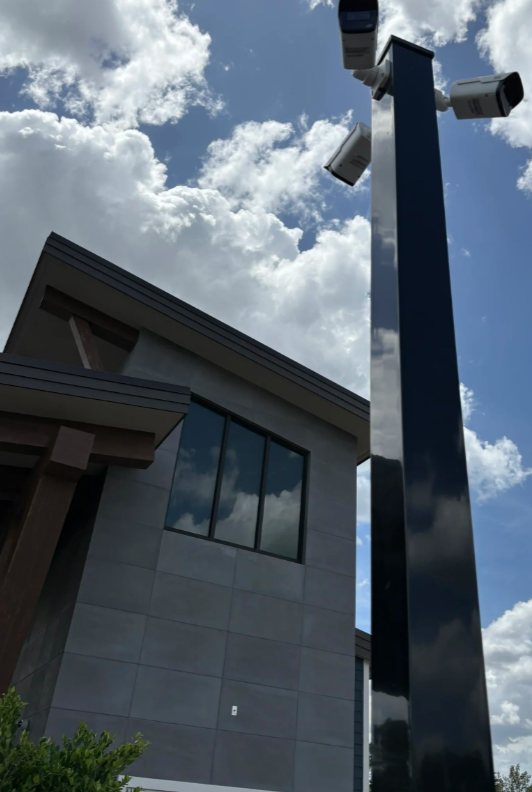
A good installer will walk your property with you before touching a drill. Front door, back door, garage, driveway, and any side yard the street can’t see are normally first on the list. Height matters more than people think. Too low and the camera is easy to knock or cover. Too high and you lose faces. They’ll also check how each spot looks at dusk, since a camera that’s fine at noon can struggle in the dark.
Florida Doesn’t Go Easy on Equipment
Between the humidity, summer storms, and relentless sun, outdoor gear down here takes a beating. Cheap fittings crack, and unsealed connections corrode faster than you’d expect. Weatherproof boxes, sealed connectors, and protected cable runs keep the system going through storm season without foggy lenses or sudden dropouts.
Wires Over Wi-Fi, Most of the Time
Wireless cameras are tempting because they look simple, but a wired connection is usually steadier. A good installer routes cable through the attic or wall so nothing ends up dangling down the side of your house. They’ll also set up the network so your video stays smooth and your family’s streaming doesn’t slow to a crawl.
Seeing It All on Your Phone
When the work is done, you should be able to open an app and see your yard live, scroll through recorded clips, and get an alert if someone’s at the door. A thorough installer also handles the unglamorous but important parts, like changing default passwords and deciding who can view the feed. And if apps aren’t your thing, they’ll show you how everything works before they pack up.
Help When You Need It
Lenses get dusty, settings need tweaking, and a year from now you might decide you want one more camera at the back fence. If you’ve hired a local, family-owned company, you can call the same people who did the original work rather than explaining everything to someone new.
Conclusion
A camera system is only as good as the way it’s put in. Smart placement, weather-ready wiring, and a solid connection turn a few gadgets into real protection for your home. If you’re thinking about adding cameras, take your time with the planning and let someone with real field experience do the work.
Source:
Click for the: Full Story
You might like