



 Close Menu
 World
World
 Biography
 Health
 Education
 Business
 Lifestyle
 Sports
 Technology
 Animals
 History
 Food
Food
 Religious
 Startups
 Movies
 Politics
 Fashion
 Covid
Covid
 Diet
Diet
 Fitness
 Marketing
 Travel
 Science
 Reviews
 Social media
 Stories
 Facts
Facts
 Art
Art
 Entertainment
Manzar Mehdi

Health
Why Regular Dental Cleaning Is Essential for a Healthy Smile
 Manzar Mehdi
A healthy smile is about more than appearance. Your oral health plays an important role in your overall well-being, affecting everything from your ability to eat comfortably to your confidence in social and professional settings. While brushing and flossing at home are essential daily habits, they cannot completely replace professional dental cleanings. Regular dental cleaning appointments help remove plaque and tartar buildup, prevent gum disease, reduce the risk of cavities, and support long-term oral health.
Many people wait until they experience pain, bleeding gums, or visible dental problems before visiting a dentist. However, preventive care is often the most effective and affordable way to maintain healthy teeth and gums. Understanding why routine dental cleanings matter can help you make informed decisions about your oral health.
What Is a Professional Dental Cleaning?
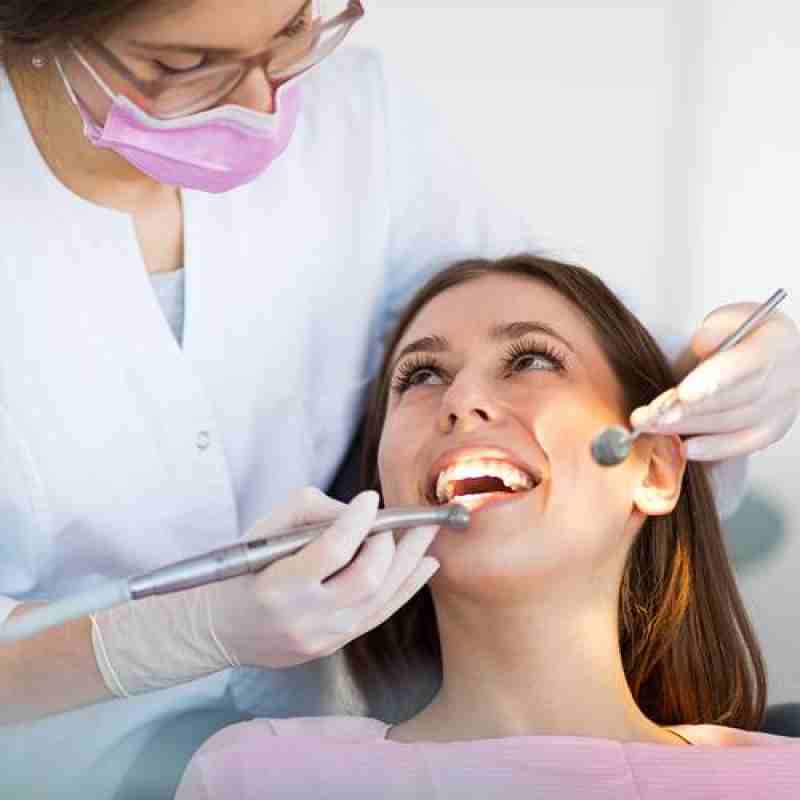
A professional dental cleaning is a preventive dental procedure performed by a dentist or dental hygienist to remove plaque, tartar, and surface stains from the teeth. The process targets areas that are difficult to clean with regular brushing and flossing alone.
During a typical dental cleaning appointment, the dental team may:
- Examine your teeth and gums
- Remove plaque and tartar deposits
- Polish the teeth to remove surface stains
- Floss between the teeth
- Provide personalized oral hygiene recommendations
- Assess signs of cavities, gum disease, or other dental concerns
Professional cleanings are designed to maintain oral health and identify potential problems before they become more serious.
Why Is Dental Cleaning Important?
Dental cleaning serves as the foundation of preventive dentistry. Even individuals who brush twice daily and floss regularly can develop plaque buildup in hard-to-reach areas.
Without routine professional cleaning, plaque can harden into tartar. Once tartar forms, it cannot be removed by brushing alone and typically requires professional instruments for removal.
The primary goals of dental cleaning include:
- Preventing tooth decay
- Reducing the risk of gum disease
- Removing tartar accumulation
- Improving oral hygiene
- Freshening breath
- Detecting oral health problems early
Regular cleanings help maintain a healthier environment in the mouth and support long-term dental wellness.
How Plaque and Tartar Affect Your Oral Health
Plaque is a sticky film of bacteria that constantly forms on the teeth. When plaque is not effectively removed, it can contribute to several oral health issues.
Over time, plaque can:
- Produce acids that damage tooth enamel
- Increase the risk of cavities
- Irritate gum tissue
- Cause inflammation and bleeding gums
If plaque remains on the teeth, it may harden into tartar. Tartar creates a rough surface that attracts additional plaque and bacteria, making oral hygiene more difficult.
Professional dental cleanings help remove both plaque and tartar before they contribute to more significant dental problems.
The Connection Between Dental Cleanings and Gum Health
Healthy gums are essential for maintaining strong teeth. Gum disease often develops gradually and may not cause noticeable symptoms in its early stages.
Early signs of gum disease may include:
- Red or swollen gums
- Bleeding during brushing or flossing
- Persistent bad breath
- Gum tenderness
- Receding gums
Routine dental cleanings help remove bacterial buildup along the gumline, reducing inflammation and supporting gum health.
When gum disease is identified early, preventive care and professional cleanings may help prevent progression to more advanced periodontal conditions.
Can Dental Cleanings Help Prevent Cavities?
Yes. One of the most significant benefits of professional dental cleaning is cavity prevention.
Cavities develop when bacteria produce acids that gradually weaken tooth enamel. Plaque accumulation increases the concentration of these bacteria, raising the risk of decay.
Regular cleanings help by:
- Removing bacterial plaque
- Eliminating tartar deposits
- Allowing dentists to identify early signs of decay
- Supporting better oral hygiene habits
Early detection of cavities often leads to simpler and less invasive treatment options.
Benefits of Regular Dental Cleaning
1. Prevents Gum Disease
Routine cleanings reduce bacterial buildup that can contribute to gingivitis and periodontal disease.
2. Lowers the Risk of Tooth Decay
Removing plaque and tartar helps protect tooth enamel from acid attacks.
3. Improves Breath Freshness
Persistent bad breath is often associated with bacteria and plaque accumulation. Professional cleaning helps eliminate common causes of oral odor.
4. Enhances Smile Appearance
Dental polishing can remove many surface stains caused by coffee, tea, wine, and tobacco products.
5. Supports Overall Health
Research continues to explore connections between oral health and overall health. Maintaining healthy gums and teeth contributes to better long-term wellness.
6. Saves Money Over Time
Preventive care is often more cost-effective than treating advanced dental problems such as root canals, gum surgery, or tooth replacement.
How Often Should You Get a Dental Cleaning?
One of the most common questions patients ask is how frequently they should schedule dental cleanings.
For many individuals, dentists recommend professional cleanings every six months. However, the ideal frequency may vary depending on factors such as:
- Oral hygiene habits
- History of gum disease
- Risk of tooth decay
- Smoking or tobacco use
- Medical conditions affecting oral health
- Orthodontic treatment
Patients with higher risk factors may benefit from more frequent visits based on their dentist's recommendations.
What Happens During a Dental Cleaning Appointment?
Knowing what to expect can help reduce anxiety for patients who have not visited a dentist recently.
A typical dental cleaning appointment may include:
Oral Examination
The dentist or hygienist evaluates the teeth, gums, and oral tissues for signs of disease or damage.
Plaque and Tartar Removal
Specialized instruments are used to remove hardened deposits from the teeth and around the gumline.
Teeth Polishing
A polishing paste helps remove minor stains and smooth tooth surfaces.
Flossing and Rinsing
The spaces between teeth are cleaned thoroughly.
Personalized Recommendations
Patients receive guidance regarding brushing techniques, flossing habits, dietary choices, and preventive care.
Signs You May Be Due for a Dental Cleaning
Although routine appointments are important, certain symptoms may indicate the need for professional evaluation sooner.
Consider scheduling a dental cleaning if you notice:
- Bleeding gums
- Persistent bad breath
- Tooth sensitivity
- Visible tartar buildup
- Swollen gums
- Staining on teeth
- Increased plaque accumulation
- A long gap since your last dental visit
Addressing these concerns early may help prevent more complex dental issues.
Common Myths About Dental Cleaning
Myth 1: Brushing Alone Is Enough
Even excellent brushing habits cannot remove hardened tartar deposits.
Myth 2: Dental Cleanings Damage Teeth
Professional cleaning is designed to protect oral health and remove harmful buildup.
Myth 3: You Only Need a Cleaning If Something Hurts
Many dental conditions develop silently. Preventive visits allow problems to be detected before pain occurs.
Myth 4: Healthy Teeth Mean Healthy Gums
Teeth may appear healthy while gum disease progresses unnoticed beneath the gumline.
Dental Cleaning for Children and Adults
Preventive dental care benefits patients of all ages.
Children
Regular cleanings help establish healthy habits, reduce cavity risk, and support proper oral development.
Teenagers
Orthodontic appliances and changing dietary habits can increase plaque accumulation.
Adults
Professional cleanings help maintain oral health and address risk factors such as stress, smoking, and aging.
Older Adults
Routine dental care supports healthy gums, natural teeth, and dental restorations.
How to Maintain Results Between Dental Cleanings
Professional cleanings are most effective when combined with good daily oral hygiene.
Helpful habits include:
- Brushing twice daily with fluoride toothpaste
- Flossing every day
- Drinking water regularly
- Limiting sugary snacks and beverages
- Avoiding tobacco products
- Replacing toothbrushes regularly
- Attending routine dental checkups
Consistent home care helps maintain the benefits achieved during professional cleanings.
Frequently Asked Questions
Is dental cleaning painful?
Most routine dental cleanings cause little to no discomfort. Patients with sensitive teeth or inflamed gums may experience mild temporary sensitivity.
Can dental cleaning whiten teeth?
Dental cleaning can remove certain surface stains and improve brightness, but it is not the same as professional teeth whitening.
How long does a dental cleaning take?
Most appointments last between 30 and 60 minutes, depending on the amount of plaque and tartar present.
Are dental cleanings safe during pregnancy?
Many routine dental cleanings are considered safe during pregnancy. Patients should discuss their specific circumstances with their dentist and healthcare provider.
Final Thoughts
Regular dental cleaning is one of the most effective ways to protect your oral health and maintain a confident smile. Professional cleanings help remove plaque and tartar, reduce the risk of gum disease, prevent cavities, improve breath freshness, and support long-term dental wellness.
Rather than waiting for symptoms to appear, preventive dental care allows potential problems to be identified and addressed early. Combined with daily brushing, flossing, and routine dental checkups, regular cleanings play a vital role in preserving healthy teeth and gums for years to come.
Whether you are due for your next appointment or have not visited a dentist in some time, prioritizing preventive dental care is an investment in your smile and overall well-being.
Source:
Click for the: Full Story
You might like









You Might Like this