Close Menu
 World
World
 Biography
 Health
 Education
 Business
 Lifestyle
 Sports
 Technology
 Animals
 History
 Food
Food
 Religious
 Startups
 Movies
 Politics
 Fashion
 Covid
Covid
 Diet
Diet
 Fitness
 Marketing
 Travel
 Science
 Reviews
 Social media
 Stories
 Facts
Facts
 Art
Art
 Entertainment
Sara Anderson

Business
Why Your Car Keeps Losing Coolant: Common Causes Drivers Should Know
 Sara Anderson
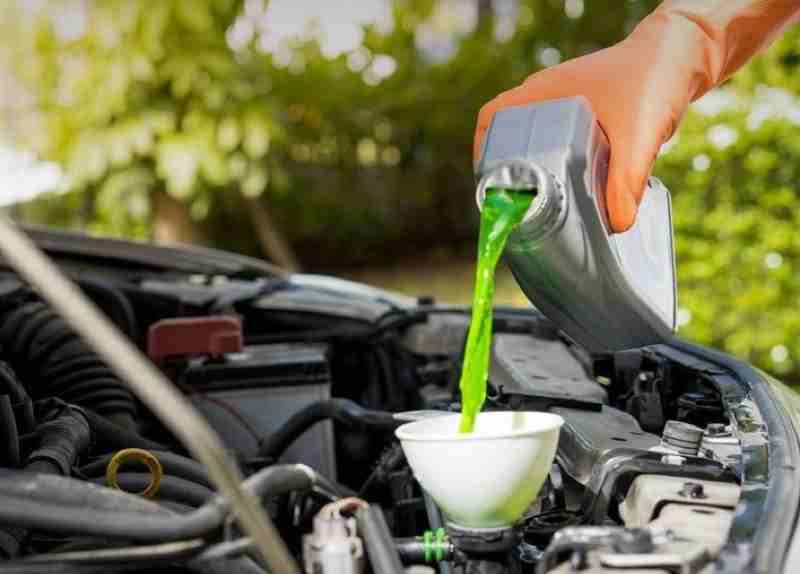
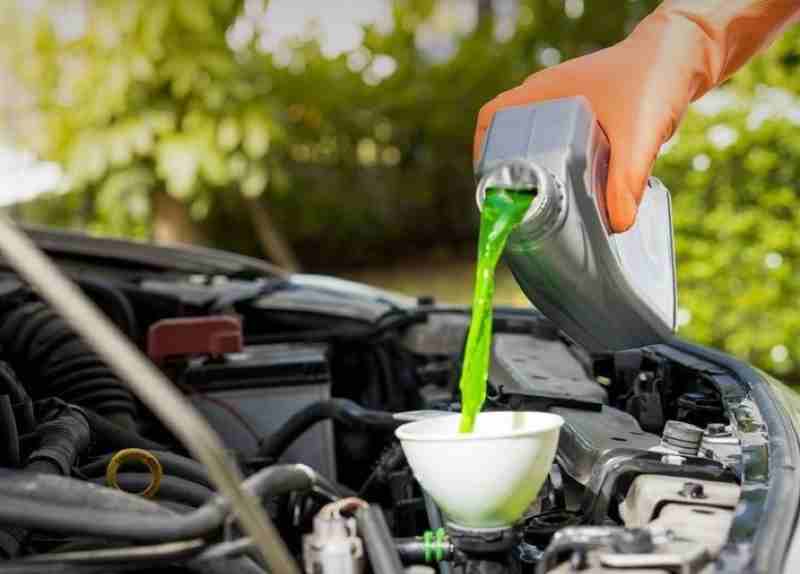
If you continue filling the coolant tank and the level decreases a couple of days later, your vehicle is telling you that something is wrong. In a healthy sealed system, coolant does not tend to evaporate. Even a minor coolant leak may ultimately result in engine overheating, costly cylinder-head repairs or a failure. In Saudi Arabia, where engines are often exposed to intense heat, overlooking the loss of antifreeze can prove expensive in the short run.
What Coolant Does in Your Engine
Engine coolant flows through the engine, radiator, hoses, and heater system to dissipate excess heat from vital parts. It also prevents corrosion and increases the boiling point of the liquid within the cooling system. The essential consideration in KSA, with its hot climate, is to maintain the coolant level and concentration.
If there are repeated drops in the level, adding more coolant is not a complete solution. The real cause needs to be identified.
Radiator Leaks
One of the most frequent causes of a car constantly losing coolant is a radiator leak. Radiators may have small cracks or damaged seams or corrosion on the core and end tanks. Tubes can also be damaged by road debris.
You might experience a colored puddle beneath the front of the car, a sweet smell following driving or wet spots around the radiator. Certain leaks may not be detected when the car is cold, as they only manifest when the engine is hot and when the system is under pressure.
For a small seep, a radiator leak sealer can be used temporarily, although it is no substitute for a good repair. When a minor radiator leak occurs, and the underlying condition is being evaluated, drivers can review radiator leak sealant options at Atlantic Oil Store KSA.
Cracked or Loose Coolant Hoses
The coolant hose may get brittle, swollen, soft or even cracked due to the heat and age. The coolant may also leak out gradually due to a loose hose clamp. Since the hoses swell when the engine is warming up, the leak may not occur until driving.
Check the upper and lower radiator hoses, the smaller bypass radiator hoses, and the connections around the expansion tank. Around a joint, there may be white or colored dried residue, which may indicate that coolant is escaping.
It is generally quite easy to replace a leaky hose or clamp; however, driving with a leaky hose can quickly cause engine overheating.
Water Pump Failure
The water pump continuously circulates the coolant in the engine and radiator. The majority of pumps feature an internal bearing and seal, either of which may wear out with time. Leakage can occur through the pump housing or the drain opening when the seal fails.
The warning indicators may include a grinding or whining noise at the front of the engine, residual coolant close to the pump, or an increase in engine temperature. The broken water pump must be fixed as soon as possible, as improper circulation may cause overheating even if the reservoir is not empty.
Faulty Radiator Cap or Expansion Tank Cap
A radiator cap keeps the pressure in the coolant system. If its seal or pressure valve breaks, coolant may leak as vapor or overflow. This may occur if the expansion tank cap is damaged.
Drivers occasionally continue to change coolant unaware that a cheap cap is the problem. To avoid removing a radiator cap when the engine is hot. Check the system after the engine is completely cooled.
Head Gasket Problems
A damaged head gasket is a more severe cause of coolant loss. It closes the combustion chambers and isolates engine oil, coolant, and combustion pressure. Should it break, the coolant can be spilled into a cylinder or blended with engine oil rather than spilled on the ground.
This can be indicated by continued overheating, white exhaust vapor when the engine is hot, bubbles in the coolant tank, rough engine operation or a milky appearance under the oil filler cap. These are not conclusive symptoms. A workshop can perform pressure, combustion gas, or compression tests to confirm the fault.
When there is no visible external leakage, and the coolant is disappearing, a head gasket issue should be ruled out.
Heater Core and Expansion Tank Leaks
The heater core is a small heat exchanger typically located behind the dashboard. Leakage can result in a sweet coolant smell in the cabin, wet carpeting or strange windscreen misting.
The plastic expansion tank is also prone to cracking with age. Only when the tank is hot and pressurized can hairline cracks open, making the leak challenging to detect during a cold inspection.
Using the Correct Coolant Matters
After repairing a leak, fill the system with the coolant specified by the vehicle manufacturer. Combining incompatible coolants may decrease corrosion protection or form deposits in certain systems.
Drivers can consult the coolant and antifreeze section at Atlantic Oil Store KSA to see which fluids are appropriate to use. This product line comprises coolant products used in automobiles operating in harsh temperatures.
The first one is the Atlantic Radiator Coolant Green 50%, available as ready-to-use, pre-diluted coolant. Before topping up or performing a full coolant change, always ensure you have the correct coolant type and specification for your vehicle.
What to Do If Your Car Keeps Losing Coolant
The coolant level should be checked when the engine is cold. Check the radiator, hoses, expansion tank, area under the vehicle, and under the water pump. If nothing is seen, a cooling-system pressure test can help detect a minute external leak.
Do not drive a car that is overheating or losing coolant too quickly. The high ambient temperatures in Saudi Arabia can make a minor issue with the cooling system into a major engine breakdown in a relatively short time compared to what many drivers anticipate.
Repeated coolant loss is a symptom, not normal maintenance. Early identification of the cause may save the radiator, water pump, head gasket, and the engine from significant damage that would otherwise be costly.
Source:
Click for the: Full Story
You might like