Close Menu
 World
 Biography
 Health
 Education
 Business
 Lifestyle
 Sports
 Technology
 Animals
 History
 Food
 Religious
 Startups
 Movies
 Politics
 Fashion
 Covid
 Diet
 Fitness
 Marketing
 Travel
 Science
 Reviews
 Social media
 Stories
 Facts
 Art
 Entertainment
Rubber Silicone Molds

Business
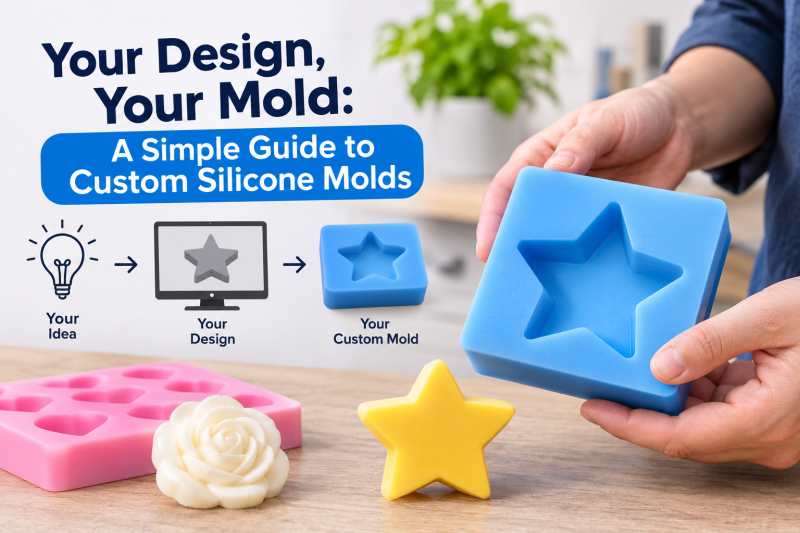
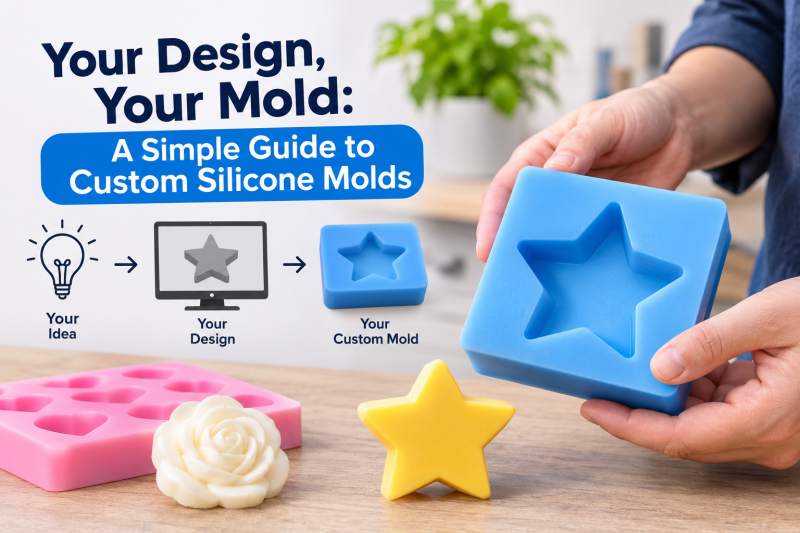
Your Design, Your Mold: A Simple Guide to Custom Silicone Molds
 Rubber Silicone Molds
Every product starts as an idea. Maybe it is a chocolate shape, a resin charm, a candle, a soap bar, or a small industrial part. You may find something close in a store, but “close” is rarely what you want.
This is where custom silicone molds help. Instead of changing your design to fit a standard mold, you get a mold made around your design.
This guide explains in simple words what custom silicone molds are, how they are made, and what to check before you order.
What Are Custom Silicone Molds?
A custom silicone mold is a flexible mold made from a master model, such as a 3D-printed part, a sculpture, or a sample product. Liquid silicone is poured around the model and left to cure (harden). When the model is removed, the empty space inside the mold is a perfect copy of your design.
You can then fill the mold with chocolate, resin, wax, soap, plaster, concrete, or other materials, depending on the silicone type.
Silicone is popular because it is flexible, so finished pieces come out easily, even with detailed shapes. It also captures fine texture, such as lines, patterns, and small logos, and can be reused many times.
Why Choose Custom Over Ready-Made Molds?
Ready-made molds are fine for hobby use. But if you sell a product, they have limits. Every competitor can buy the same mold and make the same shape.
Custom molds give you:
- A unique shape. Your product looks different from everyone else’s.
- Branding. You can add a logo, name, or pattern into the mold.
- Exact size. You decide the size, depth, and number of cavities.
- Better fit for your process. A mold made for your material and production speed works better than a generic one.
For small brands, this can be the difference between a product that looks “homemade” and one that looks professional.
Who Makes Custom Silicone Molds?
You will see different names online: silicone molds maker, silicone mold company, or silicone molds manufacturer. They sound similar, but there are small differences.
- A silicone molds maker is often a small workshop or craftsperson who makes molds one by one, which suits samples and small orders.
- A silicone mold company usually offers the full service: design help, mold making, testing, and delivery.
- Silicone mold manufacturing is the larger, repeatable process used when you need many molds or consistent quality across batches.
Which one you need depends on your order size, your timeline, and how much support you want.
How Silicone Mold Manufacturing Works, Step by Step
Knowing the process helps you ask better questions and avoid delays.
1. Design or sample. It starts with your idea. This can be a 3D file (like STL or STEP), a drawing, or a physical sample. A clear, detailed design makes the rest of the process easier.
2. Master model. The maker prepares a master model. If you gave a digital file, it is usually 3D printed or machined. Surface quality matters here, because the silicone copies every scratch and bump.
3. Mold box setup. The master is fixed inside a box or frame. The maker decides where the mold will split so the finished piece can be removed easily. Pour holes and air vents are planned at this stage.
4. Silicone mixing. Liquid silicone is mixed with its curing agent in the correct ratio. Mixing carefully reduces air bubbles.
5. Degassing and pouring. Many makers remove trapped air with a vacuum chamber before pouring. This helps avoid bubbles that would show up on your finished product.
6. Curing. The silicone is left to harden. Time depends on the type and thickness, from a few hours to a full day. Heat can speed up some types.
7. Demolding and trimming. The mold is cut open or separated, the master is removed, and the mold is cleaned and trimmed.
8. Testing. A good silicone mold company tests the mold with a sample cast to check detail, fit, and release. Fixing problems at this stage is cheaper than finding them during production.
Choosing the Right Silicone Type
Not all silicone is the same. The type you choose affects safety, durability, and price.
Platinum-cure silicone is clean, durable, and has low shrinkage. It is commonly used for food-contact items, cosmetics, and detailed work. It costs more, but it is often the better choice when safety matters.
Tin-cure (condensation) silicone is usually cheaper and fine for casting plaster, concrete, wax, and many craft materials. It can shrink slightly over time and may not suit food use.
If your mold will touch food, ask the maker directly whether the silicone is food grade, which type of cure is used, and whether test documents are available. Standards differ by country, for example FDA rules in the US and LFGB in Europe, so ask
which one applies to your market.
Understanding Silicone Hardness
Silicone hardness is measured on the Shore A scale. A lower number means softer.
- Soft (around 10A to 20A): Easy to bend and good for deep undercuts and fine detail.
- Medium (around 30A to 40A): A balance of flexibility and strength, and common for many products.
- Firm (50A and above): Holds its shape better but is harder to demold on complex designs.
A soft mold gives you easy release but may stretch or distort. A firm mold holds shape better but can be harder to remove. If you are unsure, ask the maker to recommend a hardness based on your design.
What Affects the Cost?
Prices vary widely, so avoid choosing only on the lowest quote. These factors usually decide the cost:
- Size of the mold. More silicone means higher material cost.
- Design complexity. Deep details, undercuts, and multi-part molds need more work.
- Number of cavities. A mold making ten pieces at once costs more than a single-cavity one, but it saves time in production.
- Silicone grade. Platinum-cure and food-grade silicone cost more.
- Quantity. Ordering several molds at once often reduces the cost per mold.
- Sample testing and revisions. Extra changes add time and cost.
Ask for a clear quote that lists what is included.
How to Prepare Before You Contact a Maker
A little preparation saves days of back-and-forth. Have these ready:
- Your design file or a clear sample with dimensions
- The material you plan to pour (chocolate, resin, soap, wax, etc.)
- Whether the mold touches food or skin
- The temperature range, if you will bake, heat, or freeze the product
- How many molds and how many cavities you need
- Your deadline
The more clearly you explain your project, the more accurate the quote and the final mold will be.
How to Choose a Good Silicone Mold Company
When you compare options, look beyond price. Check these points:
- Real examples. Ask to see past work or photos of finished molds.
- Clear communication. A good company answers questions simply and explains trade-offs honestly.
- Material information. They should tell you exactly which silicone they use and why.
- Sample policy. Testing a sample before full production is a good sign.
- Realistic timelines. Be careful if someone promises very fast delivery without asking about your design.
- Support after delivery. They should help if there is a fit or quality issue.
You can learn more about custom mold options at rubbersiliconemolds.com.
Common Mistakes to Avoid
- Sending a low-quality design. A blurry or incomplete file leads to a weak mold.
- Ignoring the pouring material. Some materials, such as certain resins, can affect silicone life.
- Choosing the wrong hardness. This causes tearing or difficult demolding.
- Skipping the sample. Always test before approving a large order.
- Forgetting care instructions. Clean the mold gently and store it flat, away from direct sunlight and sharp objects.
Frequently Asked Questions
How long do custom silicone molds last?
With proper care, many last hundreds of uses. Life depends on the silicone quality, the material you pour, and how often you use the mold.
How long does it take to make a custom silicone mold?
Simple molds can take a few days. Complex or multi-part molds may take one to two weeks or more, including testing. Ask your maker for a timeline based on your design.
Can I make custom silicone molds at home?
Yes, for simple shapes. Craft silicone kits work for hobby projects. For food-contact products, detailed designs, or consistent business use, a professional silicone mold company usually gives better and safer results.
Are custom silicone molds food safe?
They can be, but only if made with food-grade silicone. Ask for confirmation and supporting documents before using a mold with food.
What is the minimum order quantity?
It varies. Many makers accept single molds or small batches, while others set a minimum. Always confirm before you place an order.
Can silicone molds handle heat?
Many silicones tolerate high temperatures, but limits differ by product. Check the temperature rating for your specific mold before baking or heating anything.
What file format do I need for a custom mold?
3D files like STL or STEP are common. A physical sample or clear drawing with measurements can also work. Ask your maker what they prefer.
What is the difference between a silicone molds maker and a manufacturer?
A maker usually works on smaller, custom jobs. A manufacturer is set up for larger or repeat production. Some companies do both.
Final Thoughts
Custom silicone molds let you turn your own design into a repeatable product. The best results come from a clear design, the right silicone type, a sensible hardness, and a maker who tests before production.
Take your time, ask questions, and always request a sample for important projects. A good mold is an investment that can serve your product for a long time.
Source:
Click for the: Full Story
You might like