Close Menu
 World
World
 Biography
 Health
 Education
 Business
 Lifestyle
 Sports
 Technology
 Animals
 History
 Food
Food
 Religious
 Startups
 Movies
 Politics
 Fashion
 Covid
Covid
 Diet
Diet
 Fitness
 Marketing
 Travel
 Science
 Reviews
 Social media
 Stories
 Facts
Facts
 Art
Art
 Entertainment
Hetaksh Essential Oils

Business
Your Guide to Quality Almond Oil Wholesale for Businesses
 Hetaksh Essential Oils
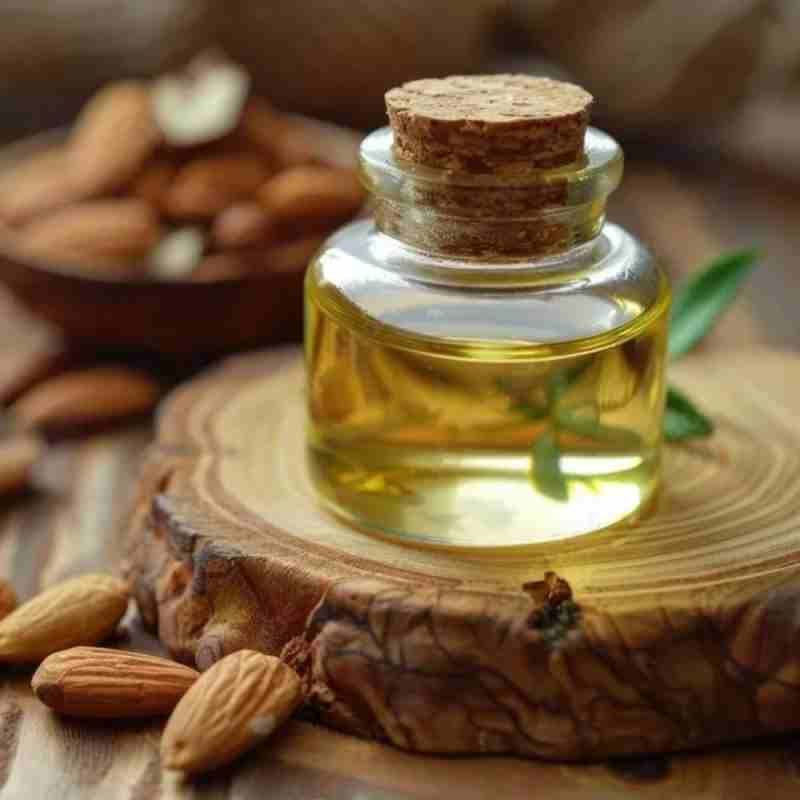
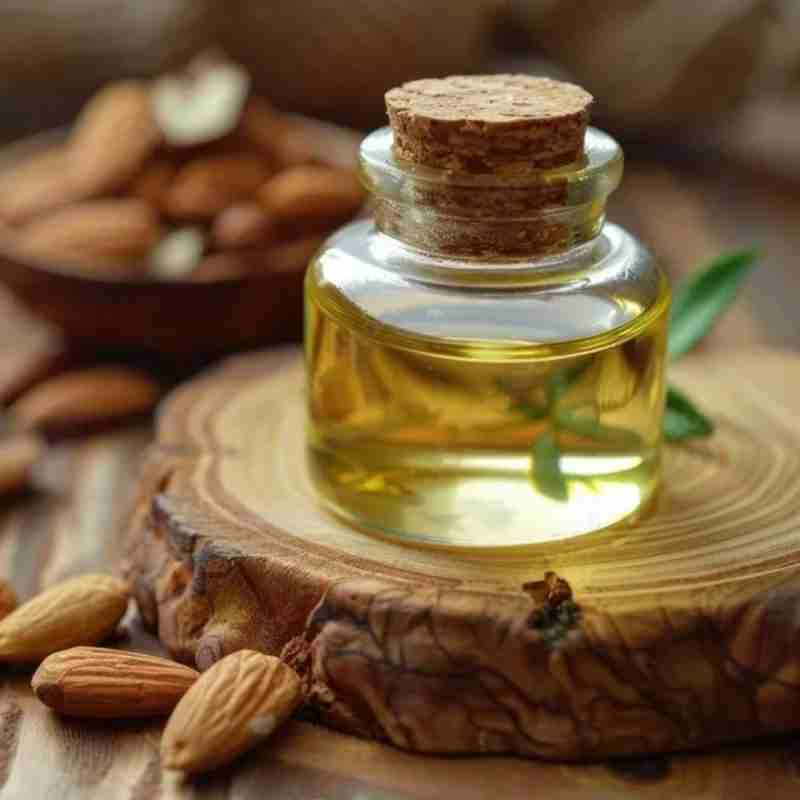
Almond oil is a popular natural oil used in skincare, haircare, massage products, and personal care formulations. It is known for its smooth texture, nourishing properties, and ability to moisturize the skin. Due to the growing interest in natural beauty products, many manufacturers, cosmetic brands, salons, and retailers are looking for reliable suppliers who can provide quality oil in bulk quantities.
Choosing the right Almond oil wholesale supplier helps businesses maintain product quality, manage costs, and meet customer demand. Whether you manufacture cosmetics, produce hair oils, or sell natural ingredients, understanding the important factors behind bulk purchasing can help you make a better decision.
What Is Almond Oil?
Almond oil is a natural oil extracted from almonds. It is widely used in beauty and personal care products because of its lightweight feel and moisturizing qualities. Sweet almond oil is especially popular in cosmetic applications.
It contains fatty acids, including oleic acid and linoleic acid, along with vitamin E. These components help condition the skin and hair, making almond oil a useful ingredient in many formulations.
Almond oil is available in different grades and processing types. Depending on the intended application, businesses may choose refined or unrefined oil. The right option depends on the desired color, aroma, texture, and formulation requirements.
Why Is Almond Oil in High Demand?
The demand for natural oils continues to create opportunities for businesses in the beauty, wellness, and personal care industries. Almond oil is valued for its versatility and can be included in many types of products.
Some common applications include:
- Skincare products: Used in moisturizers, body lotions, creams, and massage oils.
- Haircare products: Added to hair oils, conditioners, and nourishing hair masks.
- Massage products: Popular for its smooth texture and ability to help the hands glide over the skin.
- Soap making: Used as an ingredient in selected soap formulations.
- Cosmetic products: Included in lip care, body care, and other beauty formulations.
- Private-label products: Suitable for businesses developing their own natural oil brands.
Its wide range of applications makes almond oil a useful ingredient for both small businesses and large manufacturers.
Benefits of Buying Almond Oil in Bulk
Purchasing Almond oil supplier can offer several advantages for businesses that use the oil regularly.
1. Better Cost Management
Buying larger quantities may reduce the cost per unit compared with purchasing small bottles. This can help manufacturers and retailers manage production expenses and improve their pricing strategies.
2. Consistent Supply
A dependable bulk supplier can help businesses maintain regular production schedules. Planning purchases in advance also reduces the risk of running out of important ingredients.
3. Flexible Packaging Options
Bulk oil may be available in different packaging sizes, depending on the supplier. Businesses can choose packaging that suits their storage capacity, production needs, and order volume.
4. Support for Business Growth
Small brands can begin with manageable quantities and increase their orders as demand grows. Larger businesses can use bulk purchasing to support ongoing manufacturing requirements.
How to Choose the Right Almond Oil Supplier
Selecting a supplier is an important step when sourcing natural oils for commercial use. Price matters, but quality, documentation, and reliable delivery are equally important.
Consider the following factors before placing an order.
Check product quality: Ask about the oil's grade, extraction method, refining process, and intended application. Make sure the product meets your formulation requirements.
Request documentation: Depending on your needs, ask for a certificate of analysis, safety data sheet, specification sheet, and relevant quality documents.
Understand storage requirements: Almond oil should be stored in suitable, tightly closed containers and protected from excessive heat, light, and air to help maintain its quality.
Compare pricing and minimum orders: Review the cost per kilogram or litre, minimum order quantity, shipping charges, and payment terms before making a purchase.
Review supplier reliability: Look for clear communication, transparent product information, dependable dispatch schedules, and appropriate packaging.
Why Businesses Choose Hetaksh Essential Oils
Businesses sourcing natural oils need a supplier that understands commercial requirements and the importance of product consistency. Hetaksh Essential Oils is a name to consider when exploring sourcing options for natural oils.
Before finalizing an order, buyers should discuss available almond oil grades, bulk quantities, packaging options, quality specifications, and delivery arrangements. Requesting samples and reviewing relevant documentation can help confirm whether the product is suitable for your business.
A clear understanding of your requirements also helps you select the right oil for skincare, haircare, massage, or other cosmetic applications.
Tips for Storing Bulk Almond Oil
Proper storage is important for maintaining the quality of almond oil after delivery.
- Store the oil in a cool, dry place away from direct sunlight.
- Use clean, suitable containers with tightly sealed lids.
- Avoid unnecessary exposure to air, heat, and moisture.
- Follow the supplier's recommended storage conditions.
- Check batch information and expiry or retest dates where applicable.
- Follow good inventory practices by using older suitable stock first.
Businesses should also ensure that containers and handling equipment are appropriate for cosmetic or food applications, depending on the grade purchased.
Conclusion
Almond oil is a versatile ingredient for businesses working in skincare, haircare, massage products, and natural cosmetics. Buying in bulk can help improve purchasing efficiency, support regular production, and provide greater control over inventory costs.
When choosing an Almond oil manufacturer supplier, focus on product quality, documentation, packaging, pricing, and dependable service rather than price alone. Comparing suppliers and requesting samples before making a large commitment can help your business find a suitable product for long-term use.
With careful sourcing and proper storage, almond oil can become a valuable ingredient in a wide range of commercial formulations.
Frequently Asked Questions (FAQs)
1. What is almond oil wholesale?
Almond oil wholesale refers to purchasing almond oil in bulk quantities for commercial use, manufacturing, resale, or product formulation.
2. What is almond oil commonly used for?
Almond oil is commonly used in skincare creams, body lotions, massage oils, haircare products, soaps, and other cosmetic formulations.
3. Can businesses buy almond oil in bulk?
Yes. Many suppliers offer bulk quantities for manufacturers, cosmetic brands, distributors, and retailers. Available sizes and minimum order quantities vary by supplier.
4. What is the difference between refined and unrefined almond oil?
Refined almond oil is processed to produce a more uniform appearance and aroma. Unrefined almond oil generally retains more of its natural color and characteristic scent. The best choice depends on the intended application.
5. How do I choose a reliable almond oil supplier?
Check product specifications, quality documents, sample availability, packaging, pricing, delivery terms, and the supplier's ability to meet your ongoing requirements.
6. Is almond oil suitable for skincare products?
Almond oil is commonly used in skincare formulations as an emollient. Formulators should assess product compatibility, stability, and skin safety before commercial use.
7. What documents should I request when buying almond oil in bulk?
Depending on the application, request a certificate of analysis, safety data sheet, technical specifications, batch details, and other relevant quality documents.
8. How should bulk almond oil be stored?
Store it in tightly sealed, suitable containers in a cool, dry place away from direct sunlight and excessive heat. Follow the supplier's storage recommendations.
9. Can almond oil be used in haircare products?
Yes. It is commonly included in hair oils, conditioners, masks, and scalp-care formulations to help condition the hair and improve softness.
10. What should I check before placing a bulk almond oil order?
Confirm the oil grade, intended use, price, minimum order quantity, packaging, quality documentation, delivery schedule, and storage requirements before confirming the order.
Source:
Click for the: Full Story
You might like