Close Menu
 World
World
 Biography
 Health
 Education
 Business
 Lifestyle
 Sports
 Technology
 Animals
 History
 Food
Food
 Religious
 Startups
 Movies
 Politics
 Fashion
 Covid
Covid
 Diet
Diet
 Fitness
 Marketing
 Travel
 Science
 Reviews
 Social media
 Stories
 Facts
Facts
 Art
Art
 Entertainment
Claire Adams

Business
Why Regular Tire Inspections Matter for Safe Driving
 Claire Adams
Your vehicle's tires are the only parts of the vehicle that make direct contact with the road. Their condition affects traction, braking, steering, and overall stability. Yet tire maintenance is easy to overlook when everything appears normal. Regular inspections can help identify problems early, reduce the risk of unexpected tire failure, and show when a professional tire repair service may be needed.
How Do Tire Inspections Improve Road Safety?
Tires gradually wear down through everyday driving. Potholes, rough pavement, road debris, incorrect inflation, and changing weather conditions can also affect their condition. Without regular checks, small problems may go unnoticed until they interfere with vehicle performance.
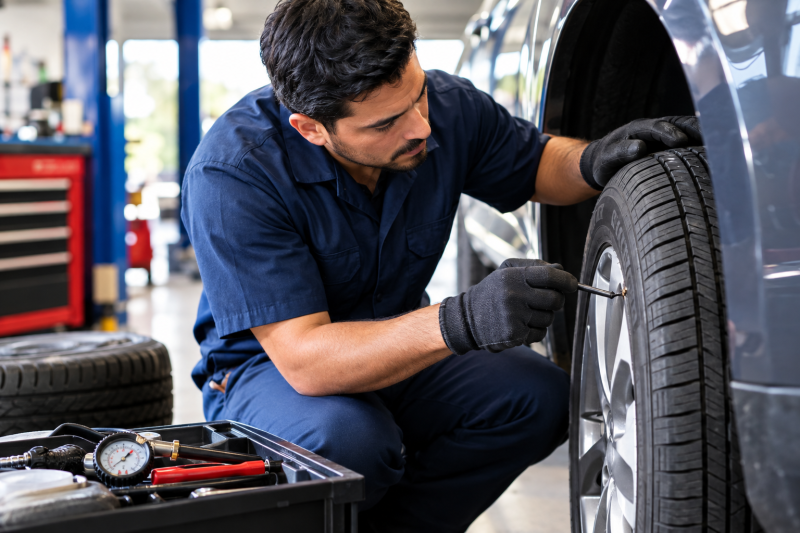
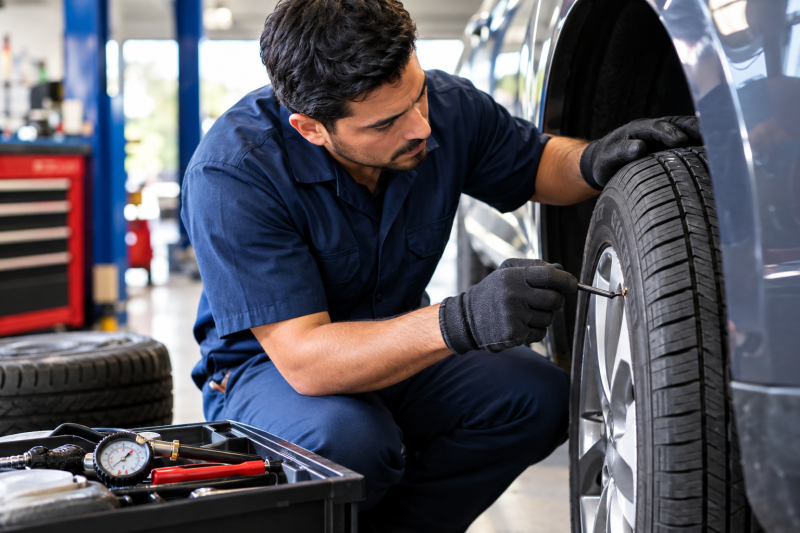
Inspecting tires helps identify issues such as low pressure, worn tread, punctures, sidewall damage, and uneven wear. Addressing these concerns promptly can help maintain the traction and stability your vehicle needs in different driving conditions.
Tire condition is particularly important on wet roads. Worn tread can reduce the tire's ability to move water away from the contact area, increasing the risk of losing traction. Maintaining appropriate tread depth helps your tires perform more effectively.
What Should You Check During a Tire Inspection?
You do not need specialized equipment to notice several common warning signs. A basic visual inspection can help you recognize when professional attention may be necessary.
Tire pressure: Check inflation regularly using a reliable pressure gauge. Follow the pressure listed on the vehicle's tire information label, usually located on the driver's door frame. The number printed on the tire sidewall is generally not the recommended operating pressure.
Tread depth: Look for excessive wear, bald areas, or tread wear indicators. Replace tires when they reach the applicable safety limit or show damage that makes continued use unsafe.
Sidewall condition: Check for bulges, cuts, cracks, and other visible damage. Bulges may indicate internal structural damage and require immediate attention.
Uneven wear: Notice whether the inside, outside, or center of the tread appears more worn than other areas. Uneven wear can be associated with inflation problems, alignment issues, or worn suspension components.
Air loss: If you regularly need to add air to the same tire, arrange an inspection to identify the source of the leak.
How Often Should You Inspect Your Tires?
A practical approach is to check tire pressure at least monthly and before long road trips. Inspect the tires visually whenever you notice unusual handling, vibrations, or a pressure warning. Your vehicle manufacturer's maintenance schedule can help determine when additional tire inspections are appropriate.
Regular tire rotation and wheel alignment checks may also help manage uneven wear, depending on your vehicle and driving conditions.
When Should You Visit a Tire Repair Service?
Contact a professional when you find a puncture, repeated pressure loss, unusual vibration, or visible damage. A technician can determine whether the tire can be repaired safely or needs replacement. Do not continue driving on a severely underinflated tire or one with a dangerous bulge.
For drivers in Plano, Texas, Patriot Express Tire & Oil provides automotive tire services. Visit https://patriotexpressauto.com/tires to learn more about available options.
Consistent tire maintenance is a straightforward way to care for your vehicle. By checking pressure, monitoring tread wear, and arranging a tire repair service when needed, you can help protect your tires, maintain vehicle performance, and make everyday driving safer.
Source:
Click for the: Full Story
You might like