Close Menu
 World
World
 Biography
 Health
 Education
 Business
 Lifestyle
 Sports
 Technology
 Animals
 History
 Food
Food
 Religious
 Startups
 Movies
 Politics
 Fashion
 Covid
Covid
 Diet
Diet
 Fitness
 Marketing
 Travel
 Science
 Reviews
 Social media
 Stories
 Facts
Facts
 Art
Art
 Entertainment
Yatin Samra

Technology
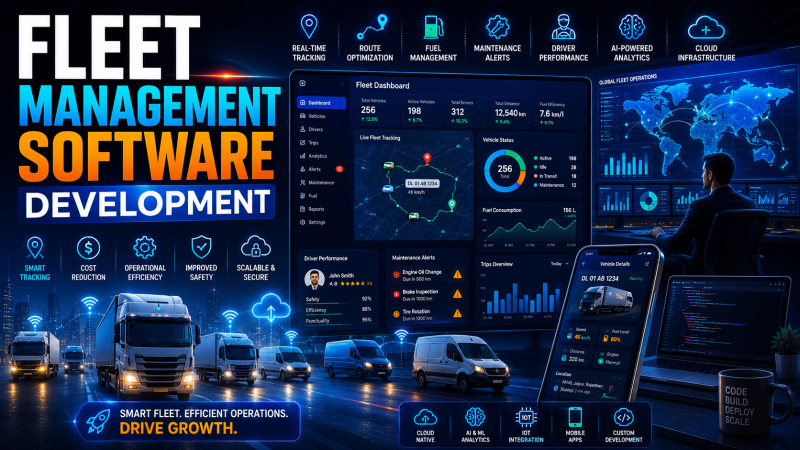
10 GPS Tracking Features Every Fleet Management App Should Have
 Yatin Samra
GPS has become crucial for modern fleets. Companies in logistics, transport, construction, deliveries, and field work use GPS to boost visibility, optimize paths, and cut costs. Because of this, there's a global increase in the need for advanced vehicle management apps.
However, not all GPS trackers are alike. Businesses must make sure they have the best fleet management system with top-notch GPS features to really benefit.
Here, we'll look at ten key GPS tracking features every up-to-date fleet management app needs.
Why GPS Tracking Matters in Fleet Management
GPS technology provides real-time visibility into fleet operations, helping businesses:
- Monitor vehicle locations
- Improve driver accountability
- Reduce fuel consumption
- Optimize delivery performance
- Enhance customer service
These benefits make GPS functionality a critical component of any fleet management system.
1. Real-Time Vehicle Tracking
Real-time tracking is the foundation of every fleet management solution.
Fleet managers should be able to view:
- Current vehicle locations
- Route progress
- Travel status
- Active assignments
Why It Matters
Immediate visibility allows businesses to make faster operational decisions and respond quickly to unexpected situations.
2. Route History and Playback
Historical route tracking enables managers to review vehicle movements over a specific period.
The system should record:
- Routes traveled
- Stops made
- Travel duration
- Distance covered
Why It Matters
Route playback helps analyze driver performance and identify inefficiencies.
3. Geofencing Capabilities
Geofencing allows businesses to create virtual boundaries around specific locations.
Examples include:
- Warehouses
- Delivery zones
- Customer locations
- Restricted areas
Managers receive alerts whenever vehicles enter or leave designated zones.
Why It Matters
Geofencing improves security and operational control.
4. Route Optimization
Advanced GPS systems should do more than track vehicles—they should recommend the most efficient routes.
Route optimization considers:
- Traffic conditions
- Distance
- Delivery schedules
- Road closures
Why It Matters
Optimized routes reduce fuel consumption and improve delivery performance.
5. Live Traffic Monitoring
Traffic congestion can significantly impact fleet productivity.
GPS platforms should provide:
- Real-time traffic updates
- Alternative route suggestions
- Delay notifications
Why It Matters
Traffic visibility helps drivers avoid delays and maintain schedules.
6. Driver Behavior Monitoring
GPS technology can also monitor driving patterns.
Common metrics include:
- Speeding
- Harsh braking
- Rapid acceleration
- Excessive idling
Why It Matters
Safer driving habits reduce operational costs and accident risks.
To gain a deeper understanding of GPS fleet technology, software architecture, and implementation strategies, explore the detailed video resource featured below.
https://youtu.be/U1B2Obr83EY?si=CQ8lKqQZSn72Qngr
7. Automated Alerts and Notifications
Modern GPS tracking systems should generate real-time alerts for critical events.
Examples include:
- Route deviations
- Unauthorized vehicle use
- Speed violations
- Geofence breaches
Why It Matters
Automated notifications allow businesses to respond immediately to operational issues.
8. Fuel Consumption Tracking
Fuel expenses are among the largest costs for fleet operators.
GPS-enabled systems can analyze:
- Fuel efficiency
- Idle time
- Route-related fuel waste
- Vehicle utilization
Why It Matters
Fuel analytics help reduce unnecessary expenses.
9. Maintenance Monitoring Integration
GPS platforms should integrate with maintenance management systems.
This allows businesses to monitor:
- Vehicle health
- Service schedules
- Mileage-based maintenance
- Repair history
Why It Matters
Preventive maintenance reduces downtime and extends vehicle lifespan.
10. Analytics and Reporting Dashboard
A comprehensive reporting system transforms GPS data into actionable insights.
Reports may include:
- Fleet utilization
- Driver performance
- Route efficiency
- Fuel usage
- Maintenance costs
Why It Matters
Data-driven decisions improve overall fleet performance.
The Role of GPS in Modern Fleet Management Software
Today's fleet management software extends far beyond basic location tracking.
Modern solutions combine GPS with:
- Artificial intelligence
- Telematics systems
- IoT sensors
- Predictive analytics
These technologies help businesses gain deeper operational insights and automate decision-making.
Benefits of GPS-Powered Vehicle Management Apps
Organizations that implement GPS-enabled platforms often experience:
Improved Operational Visibility
Managers can monitor fleet activities in real time.
Reduced Fuel Costs
Optimized routes and reduced idle time lower expenses.
Enhanced Driver Accountability
Driving behavior data promotes safer practices.
Better Customer Service
Accurate delivery tracking improves transparency.
Increased Asset Security
GPS monitoring helps prevent unauthorized vehicle use.
These advantages continue to drive investment in vehicle management app solutions across industries.
Why GPS Features Matter During Fleet Management Software Development
Businesses planning fleet management software development projects should carefully evaluate GPS functionality during the design phase.
The right GPS capabilities can:
- Improve scalability
- Support future integrations
- Increase user adoption
- Deliver stronger ROI
Feature selection should align with both current operational needs and future growth plans.
Emerging GPS Tracking Trends
Fleet technology continues to evolve rapidly.
Future innovations may include:
- AI-powered route planning
- Predictive traffic analysis
- Autonomous fleet monitoring
- Advanced telematics integration
- Smart dispatch automation
Organizations investing in GPS-enabled platforms today should prepare for these advancements.
Industries Benefiting from GPS Fleet Tracking
GPS technology supports a wide range of industries, including:
- Logistics
- Transportation
- Construction
- Food delivery
- Retail distribution
- Utility services
Whether operating in the US, the UAE, or global markets, businesses increasingly depend on GPS-powered fleet management solutions.
Final Thoughts
GPS tracking isn't just nice to have; it's essential for fleet operators nowadays. With real-time updates, better routing, driver oversight, and keeping tabs on maintenance, companies can run more smoothly, save money, and tighten up their controls.
To stay current, businesses need to focus on GPS tech that delivers useful info and helps them grow in the long run. Whether you're looking at a new vehicle app or upgrading existing software, picking the right GPS tools can really boost how well your operations perform and overall company success.
Source:
Click for the: Full Story
You might like