Close Menu
 World
World
 Biography
 Health
 Education
 Business
 Lifestyle
 Sports
 Technology
 Animals
 History
 Food
Food
 Religious
 Startups
 Movies
 Politics
 Fashion
 Covid
Covid
 Diet
Diet
 Fitness
 Marketing
 Travel
 Science
 Reviews
 Social media
 Stories
 Facts
Facts
 Art
Art
 Entertainment
Yatin Samra

Lifestyle
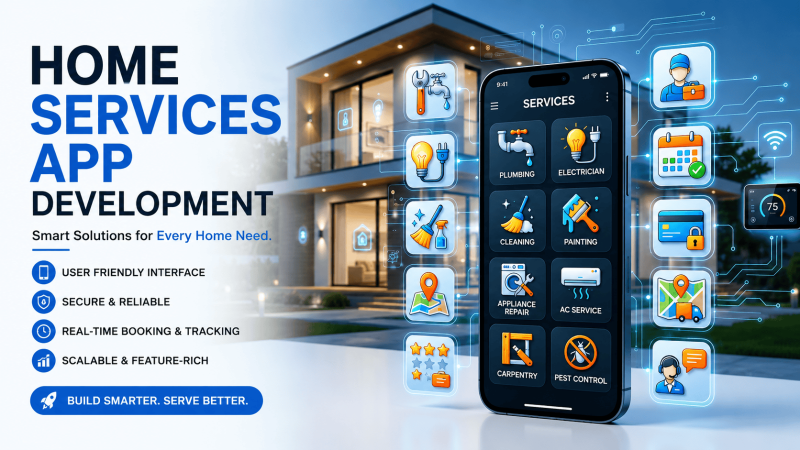
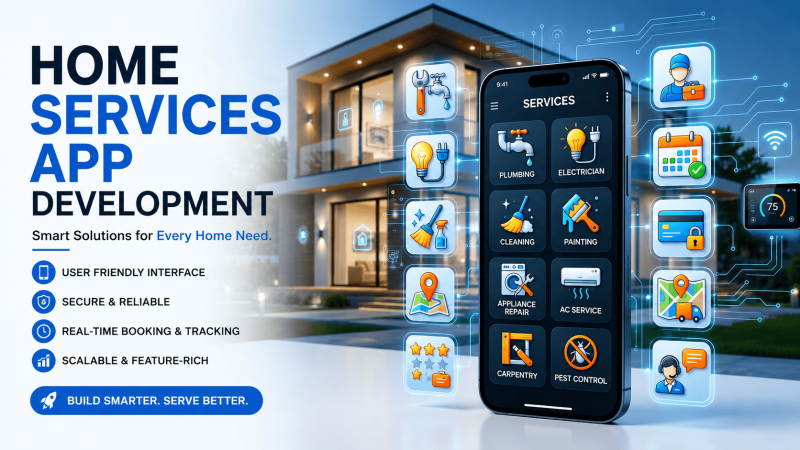
12 Essential APIs for Building a Home Services App Introduction
 Yatin Samra
The on-demand economy has revolutionized the way customers schedule their home services, whether it is plumbing, electrical repair, cleaning, or appliance services. To develop a good home services application, it is not enough to make it easy for customers to use – you need strong API integration that will facilitate communication, payments, and efficient service provision. Companies looking to build home services apps should know what APIs can make their product better and increase its efficiency and scalability. This article reviews 12 APIs that any good home services application needs to have.
Why APIs Are Critical for Home Services Apps
Application Programming Interfaces (APIs) allow different software systems to communicate and exchange data efficiently. They help developers integrate advanced functionalities without building every feature from scratch.
Benefits of API integration include:
- Faster app development
- Better user experience
- Real-time functionality
- Enhanced security
- Improved scalability
- Simplified maintenance
With the right APIs, businesses can create feature-rich applications that meet customer expectations.
1. Maps and Location API
Location services are fundamental for connecting customers with nearby service professionals.
Key capabilities include:
- Live location tracking
- Route optimization
- Address autocomplete
- Distance calculation
- Navigation assistance
These features help technicians reach customers quickly while improving service efficiency.
2. Payment Gateway API
Secure payment processing is essential for any home services application.
A payment API enables:
- Online payments
- Credit and debit card support
- Digital wallets
- Refund management
- Secure transaction processing
Multiple payment options improve customer convenience and trust.
3. Authentication API
Protecting user accounts is crucial for maintaining platform security.
Authentication APIs provide:
- User registration
- Secure login
- Multi-factor authentication
- Social login integration
- Password recovery
Robust authentication reduces unauthorized access and strengthens user confidence.
4. Push Notification API
Push notifications keep users informed throughout the service journey.
Typical notifications include:
- Booking confirmations
- Technician arrival updates
- Payment reminders
- Promotional offers
- Service completion alerts
Real-time communication improves customer engagement.
5. Chat and Messaging API
Integrated messaging allows customers and service providers to communicate directly.
Common features include:
- Real-time messaging
- Image sharing
- Service instructions
- Automated responses
- Chat history
Effective communication reduces misunderstandings and enhances service quality.
6. Calendar and Scheduling API
Scheduling APIs simplify appointment management for both customers and service professionals.
Key functions include:
- Appointment booking
- Calendar synchronization
- Availability management
- Automatic reminders
- Rescheduling support
Efficient scheduling improves operational productivity.
Learn More About Home Service App Development
To know more in detail, click the video link given below.
7. Cloud Storage API
Cloud storage enables secure management of application data.
Businesses can store:
- User profiles
- Service history
- Images
- Invoices
- Business documents
Cloud infrastructure supports scalability and reliable data access.
8. Analytics API
Analytics APIs provide valuable insights into app performance and user behavior.
Businesses can monitor:
- User engagement
- Booking trends
- Revenue performance
- Customer retention
- Service demand
These insights support better business decisions and continuous improvement.
9. Review and Rating API
Customer reviews help maintain service quality and build trust.
Features include:
- Star ratings
- Written reviews
- Technician feedback
- Customer satisfaction tracking
- Reputation management
Ratings encourage accountability and improve platform credibility.
10. SMS and Email API
Communication APIs enable automated notifications beyond push messages.
They support:
- Booking confirmations
- OTP verification
- Appointment reminders
- Invoice delivery
- Marketing campaigns
Reliable communication enhances the overall customer experience.
11. AI Recommendation API
Artificial intelligence helps personalize user experiences by analyzing preferences and booking history.
AI-powered recommendations can suggest:
- Relevant service providers
- Frequently booked services
- Personalized offers
- Maintenance reminders
- Upselling opportunities
AI improves customer satisfaction while increasing engagement.
12. Customer Support API
Integrated customer support helps resolve issues efficiently.
Key capabilities include:
- Helpdesk integration
- Ticket management
- Live support
- Knowledge base access
- Automated FAQs
Responsive support contributes to higher customer retention and loyalty.
Best Practices for API Integration
Businesses investing in home service app development should follow these best practices:
- Choose reliable API providers
- Use secure authentication methods
- Optimize API performance
- Monitor API usage regularly
- Maintain comprehensive documentation
- Implement proper error handling
- Test integrations thoroughly
- Plan for future scalability
Following these practices ensures a stable and efficient application.
Emerging Trends in Home Services Apps
AI-Powered Scheduling
Artificial intelligence is optimizing technician assignments and appointment planning.
IoT Integration
Smart home devices are enabling predictive maintenance and automated service requests.
Voice Assistant Support
Users increasingly book services through voice-enabled devices.
Contactless Payments
Digital wallets and secure online payment methods continue to gain popularity.
Predictive Maintenance
AI-driven analytics help identify maintenance needs before equipment failures occur.
Why Choose an Experienced Development Partner?
Developing a feature-rich home services application requires expertise in mobile technologies, cloud infrastructure, API integrations, and user experience design.
Partnering with an experienced app development company such as Code Brew Labs can help businesses integrate essential APIs efficiently, build scalable applications, and accelerate time-to-market while maintaining high standards of security and performance.
Frequently Asked Questions (FAQs)
What are APIs in a home services app?
APIs allow different software systems to communicate, enabling features such as payments, location tracking, messaging, and scheduling.
Why is a payment gateway API important?
It enables secure online transactions and supports multiple payment methods for customer convenience.
How does an analytics API help businesses?
It provides insights into user behavior, bookings, revenue, and overall app performance.
Why is AI becoming important in home services apps?
AI improves scheduling, service recommendations, customer support, and operational efficiency.
How can businesses build a scalable home services app?
By using cloud infrastructure, secure APIs, AI-powered features, and a modular application architecture.
Conclusion
The development of a profitable home services app does not solely rely on good design but on the integration of APIs that enable key features such as payments, location, messaging, scheduling, analytics, and customer support, among others. The integration of the APIs makes the process more efficient and helps in offering a great user experience for both clients and service providers.
Companies looking forward to developing home service apps need to consider future-proof integration of APIs to be able to compete with other service companies in the on-demand economy. Partnering with a reputable technology firm such as Code Brew Labs will make the whole process easier and faster.
Source:
Click for the: Full Story
You might like