Close Menu
 World
World
 Biography
 Health
 Education
 Business
 Lifestyle
 Sports
 Technology
 Animals
 History
 Food
Food
 Religious
 Startups
 Movies
 Politics
 Fashion
 Covid
Covid
 Diet
Diet
 Fitness
 Marketing
 Travel
 Science
 Reviews
 Social media
 Stories
 Facts
Facts
 Art
Art
 Entertainment
jack jonson

Lifestyle
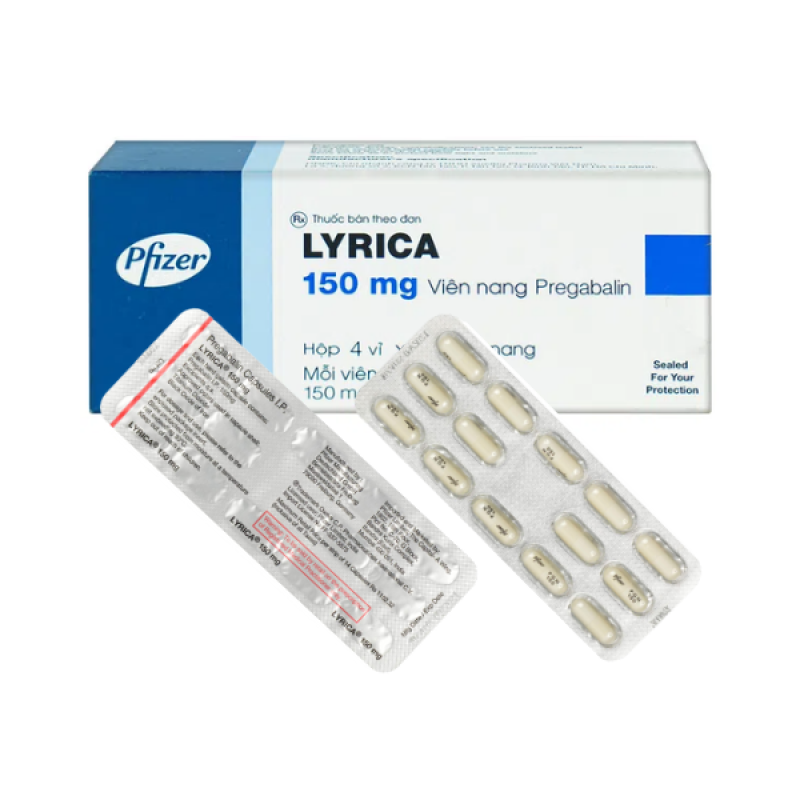
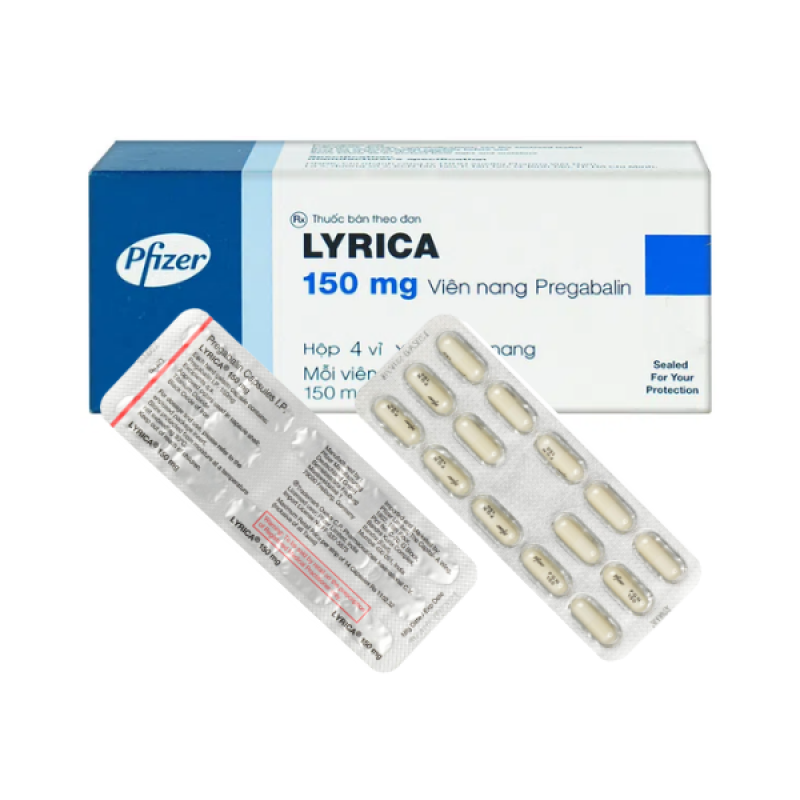
Is Lyrica 150 mg Right for Anxiety, Fibromyalgia, or Nerve Pain?
 jack jonson
Before most people ask "does this work," they're really asking something quieter: "does this apply to me, specifically, or am I about to waste weeks finding out it doesn't?"
That hesitation is fair. Lyrica (pregabalin) covers a wider range of conditions than most medications, and not every condition it touches is treated the same way or even officially approved the same way in the US. This guide is built to answer the "is this right for me" question directly, condition by condition.
Start Here: Match Your Situation to How Lyrica Actually Fits
Rather than listing uses in the abstract, here's how Lyrica 150 mg typically fits real situations and the one question worth bringing to your appointment for each.
Your Situation
How Lyrica Typically Fits
Key Question for Your Doctor
Burning, tingling, or shooting nerve pain (diabetic or post-shingles)
Core approved use often a first- or second-line option
"How long before I know if this dose is working?"
Widespread muscle pain, fatigue, and tender points (fibromyalgia)
FDA-approved; often paired with sleep and activity changes
"Should I expect sleep or pain to improve first?"
Persistent worry, restlessness, or anxiety symptoms
Not FDA-approved for this in the US; off-label only
"Why this medication over an approved anxiety treatment?"
Nerve pain after spinal cord injury
FDA-approved; often part of a broader pain plan
"What else should be layered in alongside this?"
Nerve Pain: Where Lyrica Has the Strongest Track Record
For diabetic peripheral neuropathy and postherpetic neuralgia, pregabalin is one of the more established options a prescriber has. It targets the overactive nerve signaling directly, rather than masking pain the way some general painkillers do.
If your pain is described as burning, stabbing, or electric-feeling rather than dull or achy, that distinction matters clinically. Nerve pain and musculoskeletal pain respond differently to treatment, and pregabalin is built for the former.
Fibromyalgia: A Slower, Different Kind of Relief
Fibromyalgia is approved, but the experience tends to differ from nerve pain treatment. Patients often describe the first noticeable change as better sleep, not less pain, and that order surprises people who expected pain relief to come first.
Why This Order Actually Makes Sense
Fibromyalgia is closely tied to disrupted deep sleep. By improving sleep architecture, pregabalin can interrupt a cycle where poor sleep worsens pain sensitivity, which then worsens sleep further. Pain relief frequently follows once that cycle loosens, rather than the other way around.
Anxiety: The Question That Needs the Most Nuance
This is where honesty matters more than optimism. Pregabalin is approved for generalized anxiety disorder in the European Union but not in the United States. Any anxiety-focused use here is off-label.
That doesn't mean it's never appropriate. Some prescribers do use it off-label, particularly when anxiety and nerve pain overlap, or when standard anxiety treatments haven't worked well. But it does mean you're entitled to ask why this medication specifically, rather than an FDA-approved anxiety treatment, is being suggested.
Expert Insight
A pattern worth naming: patients who find pregabalin marketed for anxiety through overseas sources sometimes arrive at a US appointment already expecting it as standard care. Prescribers aren't dismissing your research when they clarify the US regulatory status they're closing a genuine information gap that most online content leaves open.
What Most Blogs Miss About Choosing Between These Uses
1. Your Symptom Pattern Predicts Your Timeline
Nerve pain conditions tend to show measurable change faster than fibromyalgia. Going in with condition-specific expectations prevents the common mistake of judging a slower-responding condition by a faster one's timeline.
2. Overlapping Conditions Are More Common Than Articles Admit
Many patients don't fit neatly into one category. Nerve pain, poor sleep, and anxiety frequently show up together, and treatment decisions often address more than one at once, which is exactly why a single symptom checklist can't replace an actual conversation with a prescriber.
3. "Not Working Yet" and "Not the Right Fit" Get Confused
Because pregabalin's timeline varies so much by condition, patients sometimes abandon a genuinely correct treatment before it's had time to show results. Knowing your condition's typical timeline in advance helps tell the difference.
Can I Stop Lyrica 150 mg Suddenly?
No, regardless of which condition it was prescribed for. Pregabalin needs to be tapered under medical guidance rather than stopped all at once.
Abrupt discontinuation can trigger withdrawal symptoms: insomnia, nausea, headache, and increased anxiety and for anyone using it as part of seizure management, sudden stopping raises the risk of seizure activity. If it's not the right fit, the safe next step is a conversation with your prescriber about tapering, not stopping on your own.
Cost Considerations Across These Uses
Since fibromyalgia, nerve pain, and off-label anxiety use can all involve different dosing plans and treatment lengths, cost conversations are worth having condition-specific, too. Useful questions for a pharmacist include:
- Does my insurance cover pregabalin differently depending on the diagnosis code used?
- Is there a savings program available if this is being used off-label?
- Would a 90-day supply make sense given how long treatment is expected to last?
Frequently Asked Questions
What is Lyrica 150 mg prescribed for?
It's FDA-approved for diabetic nerve pain, postherpetic neuralgia, fibromyalgia, spinal cord injury-related nerve pain, and as an add-on seizure treatment. Anxiety use in the US is off-label.
Is Lyrica 150 mg good for anxiety?
It's not FDA-approved for anxiety in the US, though it is approved for generalized anxiety disorder in the EU. Some US prescribers use it off-label; this should be a direct conversation with your provider.
Does Lyrica work faster for nerve pain or fibromyalgia?
Nerve pain conditions often show measurable improvement sooner. Fibromyalgia tends to improve more gradually, frequently starting with better sleep before pain reduction.
Can I stop Lyrica 150 mg suddenly?
No. Stopping abruptly can cause withdrawal symptoms and increased seizure risk for those being treated for seizures. Any change should be tapered under medical supervision.
How do I know if Lyrica 150 mg is the right dose for my condition?
Dose and condition are both individualized. The 150 mg strength is typically reached after a lower starting dose, based on how your specific symptoms and side effects respond.
Medical Disclaimer: This article is for general educational purposes only and is not a substitute for professional medical advice, diagnosis, or treatment. Always consult your prescribing doctor or pharmacist before starting, changing, or stopping any medication.
Source:
Click for the: Full Story
You might like