



 Close Menu
 World
World
 Biography
 Health
 Education
 Business
 Lifestyle
 Sports
 Technology
 Animals
 History
 Food
Food
 Religious
 Startups
 Movies
 Politics
 Fashion
 Covid
Covid
 Diet
Diet
 Fitness
 Marketing
 Travel
 Science
 Reviews
 Social media
 Stories
 Facts
Facts
 Art
Art
 Entertainment
Yatin Samra

Technology
15 Food Delivery App Ideas for UAE Entrepreneurs
 Yatin Samra
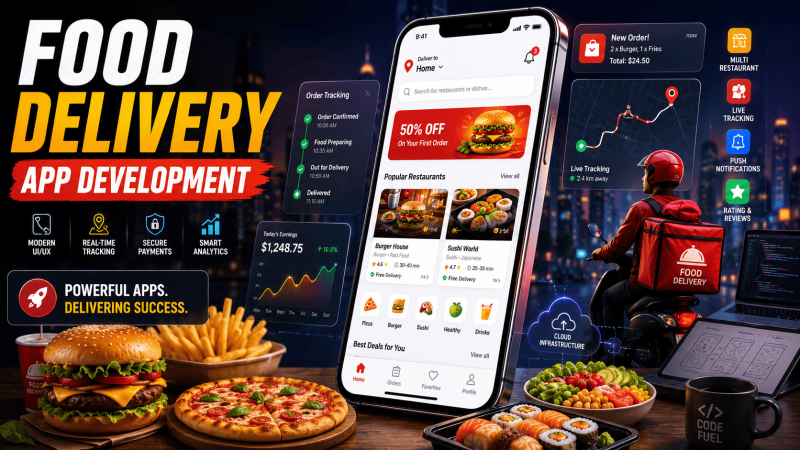
In the UAE, the food delivery business keeps growing because more folks use apps for their meals. Convenience, speed, and personalization make these apps appealing. The country's high-tech usage and love for instant services create great opportunities for new business owners with fresh ideas.
While people still dig traditional methods, the scene is changing fast. Now, users aren't just seeking quick drop-offs; they want tailored suggestions, and AI touches too. Entrepreneurs get a chance to fill these gaps with specialized offerings.
For entrepreneurs considering food delivery app development, choosing the right business model can be the difference between entering a crowded market and creating a unique value proposition.
This article explores 15 food delivery app ideas that can help UAE entrepreneurs build successful and scalable businesses.
Why the UAE Is a Strong Market for Food Delivery Startups
Several factors make the UAE an attractive environment for delivery-focused businesses:
- High internet and smartphone usage
- Busy urban lifestyles
- Growing digital payment adoption
- Diverse food preferences
- Strong demand for convenience
These trends continue to drive investment in food delivery app development across the region.
1. AI-Powered Personalized Food Delivery App
Consumers increasingly expect personalized experiences.
An AI-driven platform can recommend:
- Meals based on past orders
- Dietary preferences
- Favorite cuisines
- Time-based suggestions
Business Opportunity
Personalization improves customer engagement and retention.
2. Healthy Meal Delivery Platform
Health-conscious consumers are seeking nutritious meal options.
The app can focus on:
- Calorie-controlled meals
- Fitness-focused diets
- Organic food options
- Nutrition tracking
Business Opportunity
Growing wellness trends create strong demand for healthy food services.
3. Subscription-Based Food Delivery App
Instead of individual orders, customers subscribe to meal plans.
Possible offerings include:
- Daily lunches
- Weekly meal packages
- Family meal plans
- Corporate meal subscriptions
Business Opportunity
Recurring revenue creates greater financial predictability.
4. Home Chef Marketplace
This model connects customers with local home-based chefs.
Features may include:
- Specialty cuisines
- Homemade meals
- Cultural food experiences
- Scheduled deliveries
Business Opportunity
Consumers increasingly value unique and authentic dining options.
5. Corporate Food Delivery Solution
Businesses frequently require food delivery services for employees and events.
Features can include:
- Bulk ordering
- Team meal management
- Invoice generation
- Scheduled deliveries
Business Opportunity
Corporate customers often generate consistent order volumes.
6. Cloud Kitchen Delivery Platform
Cloud kitchens continue to grow throughout the UAE.
A dedicated platform can connect customers directly with:
- Virtual restaurant brands
- Delivery-only kitchens
- Multi-brand kitchen operators
Business Opportunity
Lower operational costs compared to traditional restaurant models.
7. Late-Night Food Delivery App
Many customers seek food delivery services outside standard restaurant hours.
The platform can specialize in:
- Late-night dining
- 24/7 delivery
- Convenience meals
- Emergency grocery items
Business Opportunity
Serving underserved hours creates a competitive advantage.
8. Specialty Cuisine Delivery App
Rather than serving every restaurant category, startups can focus on specific cuisines.
Examples include:
- Middle Eastern cuisine
- Asian specialties
- Vegan meals
- Gourmet dining
Business Opportunity
Niche targeting often improves customer loyalty.
For a deeper understanding of food delivery business models, monetization strategies, and app development processes, you can explore the comprehensive video featured below.
https://youtu.be/RTe8AMc_19M?si=YIbZkUNBbPzoCQLq
9. Group Ordering Platform
Group ordering simplifies food purchases for families, offices, and events.
Features include:
- Shared carts
- Split payments
- Group scheduling
- Multiple delivery preferences
Business Opportunity
Group orders often result in higher transaction values.
10. Grocery and Food Delivery Hybrid App
Combining restaurant meals with grocery delivery creates additional convenience.
Customers can order:
- Prepared meals
- Snacks
- Beverages
- Essential groceries
Business Opportunity
Expanding service categories increases revenue opportunities.
11. AI-Based Smart Meal Planner
This concept combines meal planning with delivery services.
The platform can recommend meals based on:
- Fitness goals
- Dietary restrictions
- Budget preferences
- Family size
Business Opportunity
A strong example of AI food delivery app development meeting modern consumer expectations.
12. Luxury Food Delivery Service
The UAE has a strong market for premium dining experiences.
The platform may focus on:
- Fine dining restaurants
- Gourmet meal delivery
- VIP customer services
- Exclusive culinary experiences
Business Opportunity
Premium customers often generate higher order values.
13. Sustainable Food Delivery App
Environmental awareness is influencing consumer choices.
The platform could promote:
- Eco-friendly packaging
- Carbon-conscious deliveries
- Sustainable restaurant partners
Business Opportunity
Sustainability can become a valuable brand differentiator.
14. Event and Catering Delivery Marketplace
This model focuses on larger food orders for:
- Corporate events
- Weddings
- Private gatherings
- Conferences
Business Opportunity
Large-volume orders can significantly increase revenue potential.
15. Hyperlocal Food Delivery Platform
Hyperlocal apps connect customers with nearby restaurants and food providers.
Benefits include:
- Faster deliveries
- Lower delivery costs
- Strong community engagement
Business Opportunity
Local focus can improve operational efficiency and customer satisfaction.
Key Features Every Food Delivery App Should Include
Regardless of the business model, successful platforms typically include:
- Real-time order tracking
- Secure payments
- Push notifications
- Customer reviews
- Loyalty programs
- Delivery management
- Analytics dashboards
These features contribute to better user experiences and operational efficiency.
How AI Is Creating New Opportunities
Artificial intelligence is helping businesses transform traditional delivery models.
AI capabilities include:
- Personalized recommendations
- Demand forecasting
- Delivery route optimization
- Customer behavior analysis
- Dynamic pricing
As AI food delivery app development continues to evolve, entrepreneurs have more opportunities to create differentiated products.
Why Entrepreneurs Are Investing in Food Delivery Apps
Food delivery businesses offer several advantages:
Growing Consumer Demand
Convenience remains a major driver of digital ordering behavior.
Scalable Business Models
Technology enables rapid expansion across cities and regions.
Recurring Customer Usage
Food delivery services often generate repeat purchases.
Multiple Revenue Streams
Revenue can come from commissions, subscriptions, advertisements, and delivery fees.
Opportunities Beyond the UAE
While the UAE presents strong growth potential, many of these concepts can also succeed in markets such as the US and other digitally advanced regions.
Consumers globally are increasingly seeking:
- Faster deliveries
- Personalized experiences
- Flexible ordering options
- AI-powered convenience
This creates long-term opportunities for innovative food delivery startups.
Final Thoughts
The UAE's food delivery scene keeps evolving, offering great chances for entrepreneurs to ditch old business models. There's room to grow in areas like AI-driven customization, corporate meals, and super local deliveries. If you're thinking about creating a food delivery app, you've gotta find a unique customer want, nail the user experience, and make use of cutting-edge tech.
Innovators focused on what customers need can grab the next big opportunities in food delivery in the UAE and maybe even farther afield.
Source:
Click for the: Full Story
You might like



You Might Like this