Close Menu
 World
World
 Biography
 Health
 Education
 Business
 Lifestyle
 Sports
 Technology
 Animals
 History
 Food
Food
 Religious
 Startups
 Movies
 Politics
 Fashion
 Covid
Covid
 Diet
Diet
 Fitness
 Marketing
 Travel
 Science
 Reviews
 Social media
 Stories
 Facts
Facts
 Art
Art
 Entertainment
Umar

Health
A Complete Guide to Hand Fracture Treatment and Care
 Umar
Umar
Hand injuries can affect everyday life in many ways. Simple activities such as writing, typing, cooking, driving, or lifting objects become difficult when the hand is injured. Because the hand contains many small bones, joints, tendons, and muscles, even a minor injury can cause pain and limit movement.
A broken bone in the hand is one of the most common injuries seen in people of all ages. Understanding hand fracture treatment is important because proper care can help restore strength, movement, and function while reducing the risk of long-term complications.
This guide explains everything you need to know about hand fractures, including their causes, symptoms, diagnosis, treatment options, recovery process, and tips for proper care.
What Is a Hand Fracture?
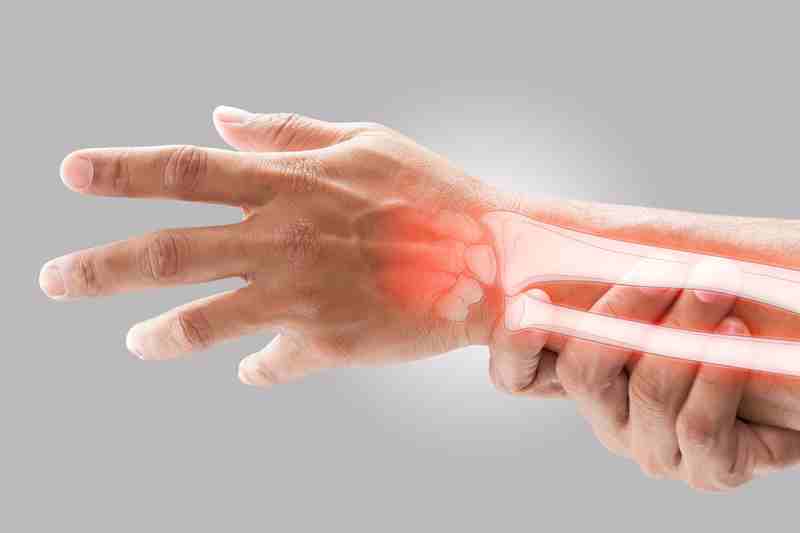
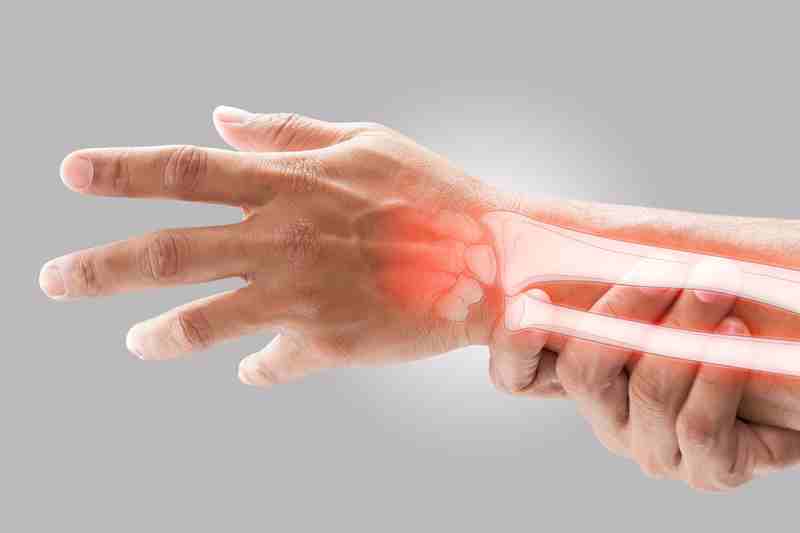
A hand fracture is a break or crack in one of the bones of the hand. The human hand contains 27 bones that work together to allow movement and grip strength. When one or more of these bones break, it is known as a hand fracture.
The severity of a fracture can vary. Some fractures are small cracks that heal with simple support, while others are complex injuries that require surgery.
Hand fractures can occur in different parts of the hand, including:
- Finger bones (phalanges)
- Bones in the palm (metacarpals)
- Wrist-connected hand bones (carpal bones)
The location and severity of the fracture determine the most appropriate treatment plan.
Common Causes of Hand Fractures
Hand fractures can happen during many daily activities or accidents. Some of the most common causes include:
Falls
People often use their hands to protect themselves during a fall. The impact can place significant pressure on the hand bones and cause a fracture.
Sports Injuries
Contact sports and activities with a high risk of falls can lead to hand fractures. Examples include football, basketball, cycling, martial arts, and skiing.
Motor Vehicle Accidents
Car, motorcycle, and bicycle accidents can generate strong forces that result in broken hand bones.
Workplace Injuries
Heavy machinery, falling objects, and construction-related accidents can cause serious hand injuries.
Direct Impact
Punching a hard object, being struck by an object, or experiencing a crushing injury can result in fractures.
Types of Hand Fractures
Different fracture patterns require different treatment approaches.
Stable Fracture
In a stable fracture, the broken bone remains properly aligned. These fractures often heal with non-surgical treatment.
Displaced Fracture
A displaced fracture occurs when the bone pieces move out of their normal position. These injuries may require realignment or surgery.
Open Fracture
An open fracture occurs when the broken bone breaks through the skin. This is considered a medical emergency because of the risk of infection.
Comminuted Fracture
The bone breaks into multiple pieces. These fractures are usually more complex and may require surgical treatment.
Spiral Fracture
A twisting force causes the bone to break in a spiral pattern.
Stress Fracture
Repeated stress on a bone over time can lead to a small crack known as a stress fracture.
Signs and Symptoms of a Hand Fracture
Recognizing the symptoms of a fracture can help ensure timely medical care.
Common symptoms include:
- Sudden pain in the hand
- Swelling
- Bruising
- Tenderness
- Difficulty moving fingers
- Reduced grip strength
- Visible deformity
- Numbness or tingling
- Pain when touching or using the hand
Some fractures may appear minor at first but become more painful over time. Medical evaluation is important whenever a fracture is suspected.
When to Seek Medical Attention
Immediate medical attention is recommended if:
- Severe pain is present
- The hand appears deformed
- Bone is visible through the skin
- Swelling increases rapidly
- Fingers become numb
- The hand loses normal function
Prompt treatment can help prevent complications and improve healing outcomes.
How Hand Fractures Are Diagnosed
Accurate diagnosis is an important step in developing an effective treatment plan.
Physical Examination
The doctor will examine the hand for:
- Swelling
- Bruising
- Tenderness
- Deformity
- Range of motion
- Nerve function
X-Rays
X-rays are the most common imaging test used to confirm a fracture and determine its location.
CT Scan
A CT scan may be recommended for complex fractures to provide more detailed images.
MRI
An MRI may be used when soft tissue injuries such as ligament or tendon damage are suspected.
Hand Fracture Treatment Options
The goal of treatment is to restore normal hand function, maintain proper bone alignment, and support healing.
The most suitable approach depends on factors such as fracture type, location, severity, age, and activity level.
Non-Surgical Hand Fracture Treatment
Many fractures can heal successfully without surgery.
SplintsA splint helps keep the hand stable while allowing room for swelling.
Benefits include:
- Reduced movement
- Pain relief
- Protection during healing
A cast provides stronger support and immobilization for several weeks.
Casts are commonly used when longer stabilization is needed.
Closed ReductionIf the bones have shifted slightly, a doctor may manually reposition them without surgery. This procedure is known as closed reduction.
Once aligned, the hand is usually placed in a splint or cast.
Pain ManagementPain medications may be recommended to help control discomfort during recovery.
Patients should always follow medical advice regarding medication use.
Surgical Hand Fracture Treatment
Some fractures require surgery to restore proper alignment and function.
Surgery may be recommended when:
- Bones are severely displaced
- Multiple fractures are present
- The fracture is unstable
- Joint surfaces are involved
- Open fractures occur
Internal Fixation
Metal devices are used to hold bones in place during healing.
These may include:
- Pins
- Screws
- Plates
- Wires
The choice depends on the fracture pattern and location.
External Fixation
In some complex injuries, a frame outside the hand helps stabilize the bones while they heal.
Bone Grafting
In severe cases involving bone loss, bone grafting may be necessary to support healing.
Recovery After Hand Fracture Treatment
Healing time varies depending on the injury and treatment method.
Many fractures begin healing within several weeks, but complete recovery can take several months.
Factors affecting recovery include:
- Age
- Overall health
- Severity of fracture
- Smoking status
- Treatment type
- Participation in rehabilitation
Following medical instructions is essential for achieving the best results.
Importance of Hand Therapy
Rehabilitation plays a major role in recovery.
After immobilization or surgery, stiffness and weakness may develop.
Hand therapy helps improve:
- Strength
- Flexibility
- Coordination
- Range of motion
- Daily function
A therapist may recommend specific exercises to restore normal movement safely.
Exercises During Recovery
Exercises should only be performed under professional guidance.
Common rehabilitation exercises may focus on:
Finger Bending
Gentle bending and straightening help improve flexibility.
Grip Strengthening
Soft therapy balls may be used to rebuild grip strength.
Stretching
Stretching exercises help reduce stiffness and improve movement.
Functional Training
Exercises may simulate daily activities to restore practical hand use.
Possible Complications
Although many fractures heal well, complications can sometimes occur.
Potential complications include:
Stiffness
Reduced joint movement is common after prolonged immobilization.
Weakness
Muscle strength may decrease during recovery.
Malunion
A malunion occurs when a fracture heals in an incorrect position.
Nonunion
In rare cases, the bone does not heal properly.
Arthritis
Fractures involving joints can increase the risk of future arthritis.
Infection
Open fractures and surgical procedures carry a small risk of infection.
Early treatment and proper follow-up can reduce these risks.
Tips for Faster Recovery
Patients can support healing by following healthy recovery habits.
Follow Medical Instructions
Always follow recommendations regarding splints, casts, medications, and exercises.
Attend Follow-Up Visits
Regular checkups allow doctors to monitor healing progress.
Eat a Healthy Diet
Nutrients that support bone healing include:
- Calcium
- Vitamin D
- Protein
- Magnesium
Avoid Smoking
Smoking can slow bone healing and increase complication risks.
Protect the Hand
Avoid activities that place excessive stress on the healing fracture.
Stay Active Safely
Maintaining overall fitness can support circulation and recovery.
Preventing Hand Fractures
While not all injuries can be prevented, certain precautions can reduce risk.
Use Protective Equipment
Wear appropriate gloves and protective gear during sports and work activities.
Improve Home Safety
Reducing fall hazards can help prevent fractures.
Maintain Bone Health
Strong bones are less likely to fracture.
Helpful habits include:
- Regular exercise
- Balanced nutrition
- Adequate calcium intake
- Sufficient vitamin D
Practice Safe Techniques
Proper lifting methods and workplace safety procedures can reduce injury risk.
Life After a Hand Fracture
Most people recover successfully and return to normal activities after treatment. Recovery requires patience because healing takes time.
Some individuals may regain full function within a few months, while others may need longer rehabilitation depending on the complexity of the injury.
Staying committed to the treatment plan and rehabilitation program can significantly improve outcomes and help restore hand strength and mobility.
Conclusion
A hand fracture can have a significant impact on daily life, but early diagnosis and proper care can lead to excellent recovery outcomes. Understanding the causes, symptoms, treatment options, and rehabilitation process helps patients make informed decisions about their health.
Whether treatment involves a splint, cast, therapy, or surgery, timely and appropriate hand fracture treatment is essential for restoring normal hand function. For expert evaluation and personalized orthopedic care, patients can consult Dr Marouane Bouloudhnine, who specializes in managing fractures and musculoskeletal injuries with a patient-focused approach.
Source:
Click for the: Full Story
You might like