



 Close Menu
 World
World
 Biography
 Health
 Education
 Business
 Lifestyle
 Sports
 Technology
 Animals
 History
 Food
Food
 Religious
 Startups
 Movies
 Politics
 Fashion
 Covid
Covid
 Diet
Diet
 Fitness
 Marketing
 Travel
 Science
 Reviews
 Social media
 Stories
 Facts
Facts
 Art
Art
 Entertainment
Addison Jons

Travel
Atlas Mountains Morocco: A Journey Through Nature and Culture
 Addison Jons
Morocco is a country where dramatic landscapes, ancient traditions, and diverse cultures come together to create unforgettable travel experiences. From the bustling streets of Marrakech to quiet Berber villages surrounded by rugged peaks, the country offers something for every type of traveler.
Among its most remarkable natural attractions are the atlas mountains morocco, a spectacular mountain system that stretches across the heart of the country and provides opportunities for hiking, cultural exploration, photography, and adventure.
A journey through this mountain region is more than a simple outdoor excursion. It is an opportunity to discover traditional communities, experience breathtaking scenery, learn about local customs, and appreciate the relationship between people and nature.
Discovering the Atlas Mountain Landscape
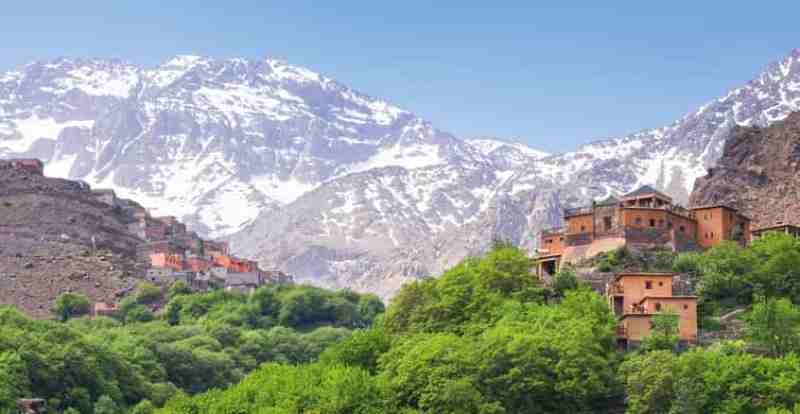
The Atlas mountain range extends across Morocco and forms one of the country's most distinctive geographical features. The landscape changes dramatically as travelers move through different areas, with rocky valleys, green terraces, deep gorges, forests, and snow-covered summits appearing throughout the region.
The High Atlas is particularly popular among adventure travelers because it contains some of North Africa's highest peaks. Mount Toubkal is the most famous summit, reaching approximately 4,167 meters above sea level. Its impressive height attracts hikers from around the world who want to experience a challenging but rewarding mountain adventure.
However, travelers do not need to climb a high summit to appreciate the mountains. Numerous walking routes pass through valleys and villages, allowing visitors to enjoy the scenery at a more relaxed pace.
Hiking Through Beautiful Valleys
Hiking is one of the best ways to experience the natural beauty of the atlas mountains morocco. Trails range from gentle walks through villages and valleys to demanding multi-day treks involving steep climbs and high-altitude terrain.
The Imlil Valley is one of the most popular starting points for mountain adventures. Surrounded by impressive peaks and traditional settlements, it offers a combination of natural beauty and cultural experiences. Visitors can walk along mountain paths, observe terraced fields, and stop in villages to meet local residents.
Other routes lead toward remote valleys where the landscape feels remarkably peaceful. Depending on the season, hikers may encounter colorful wildflowers, flowing mountain streams, green farmland, or snow-covered slopes.
Proper preparation is important for longer hikes. Comfortable footwear, suitable clothing, sufficient water, and awareness of changing weather conditions can make the experience safer and more enjoyable.
Meeting Amazigh Communities
One of the most meaningful aspects of visiting the mountains is the chance to experience Amazigh culture. Many communities in the region have preserved traditions that have been passed down through generations.
Mountain villages often feature distinctive homes built from local materials, narrow pathways, agricultural terraces, and small markets. Daily life can be closely connected to farming, livestock, and the surrounding environment.
Visitors may have opportunities to enjoy traditional meals, drink mint tea, learn about local crafts, and hear stories about village life. Hospitality is an important part of the experience, and spending time with local families can provide a deeper understanding of Moroccan culture.
The mountains therefore offer more than spectacular scenery. They provide a window into a way of life that has adapted to challenging terrain while maintaining strong cultural traditions.
Traditional Food and Mountain Hospitality
Food is another important part of exploring the region. Traditional Moroccan dishes are known for their rich flavors and use of fresh ingredients. In mountain communities, meals are often prepared using locally available produce.
Tagine is one of the most recognizable dishes visitors can enjoy. It is typically slow-cooked with vegetables, meat, or other ingredients and served with bread. Couscous is another traditional favorite and may be prepared with vegetables and meat for family gatherings.
Mint tea is almost synonymous with Moroccan hospitality. Sharing a glass of tea after a day of hiking provides a relaxing opportunity to interact with local people and enjoy the peaceful surroundings.
Eating traditional food in a village environment can make the journey feel much more authentic than simply dining in a city restaurant.
Wildlife and Natural Beauty
The mountains are also home to a variety of plants and animals. Depending on the region and altitude, visitors may encounter forests, shrubs, wildflowers, and other vegetation adapted to mountainous conditions.
Birdwatchers can look for different species soaring above valleys and rocky slopes. Other wildlife may be more difficult to spot, but the natural environment still provides plenty of opportunities for observation and photography.
The changing landscape is particularly impressive. A single journey can take travelers from dry foothills to lush valleys and rugged alpine terrain. This geographical diversity is one of the reasons Morocco's mountain regions attract photographers and nature lovers.
Best Times to Explore
The best time to visit depends largely on the type of experience travelers want. Spring can bring pleasant temperatures and colorful vegetation, making it an excellent period for walking and sightseeing.
Summer may be warmer at lower elevations, but higher mountain areas can remain comfortable for hiking. Autumn often provides clear skies and beautiful scenery, while winter brings snow to higher peaks.
Travelers planning to climb Mount Toubkal should pay particular attention to seasonal conditions. Snow and ice can make winter routes significantly more demanding, sometimes requiring specialized equipment and experience.
Regardless of the season, checking weather conditions before starting a trek is essential.
Responsible Mountain Tourism
Protecting the environment and respecting local communities should be an important part of every mountain journey. Travelers can contribute by avoiding litter, staying on established paths where appropriate, and reducing unnecessary plastic waste.
Respect for local customs is equally important. Visitors should dress appropriately in villages, ask permission before photographing people, and follow guidance from local guides.
Choosing locally operated accommodation, guides, transport, and other services can also help ensure tourism benefits mountain communities directly.
Responsible travel allows visitors to enjoy the region while helping preserve its landscapes and cultural heritage for future generations.
Why the Atlas Mountains Are Worth Visiting
The atlas mountains morocco offer a rare combination of adventure, nature, and culture. Travelers can begin their day walking through a peaceful valley, spend the afternoon exploring a traditional village, and finish the evening enjoying Moroccan food and tea with a spectacular mountain backdrop.
Unlike destinations focused on a single attraction, the mountain region provides a variety of experiences. Adventure seekers can tackle demanding trails, while casual travelers can enjoy village walks and scenic viewpoints. Photographers can capture dramatic landscapes, and culture enthusiasts can learn about Amazigh traditions.
This variety makes the mountains suitable for many different styles of travel.
Explore with mttoubkaltrek
For travelers interested in discovering the mountains with greater confidence, mttoubkaltrek can be a useful name to consider when planning a mountain adventure. A knowledgeable trekking service can help visitors choose suitable routes, understand local conditions, organize guides and accommodation, and make the overall journey smoother. Having experienced local support can be especially valuable for travelers attempting longer hikes or visiting remote communities.
Conclusion
A journey through the atlas mountains morocco is an experience that combines dramatic landscapes with living culture. From the impressive peaks of the High Atlas to peaceful valleys and welcoming Amazigh villages, every part of the region offers something memorable.
Whether you are an experienced trekker seeking a demanding mountain challenge or a traveler looking for authentic cultural experiences, the Atlas region provides countless opportunities to explore. With responsible planning, respect for local communities, and an appreciation for the natural environment, a visit to these mountains can become one of the most rewarding experiences in Morocco.
The mountains are not simply a destination to see; they are a place to walk, learn, connect, and experience a different side of Morocco.
Source:
Click for the: Full Story
You might like








You Might Like this