Close Menu
 World
World
 Biography
 Health
 Education
 Business
 Lifestyle
 Sports
 Technology
 Animals
 History
 Food
Food
 Religious
 Startups
 Movies
 Politics
 Fashion
 Covid
Covid
 Diet
Diet
 Fitness
 Marketing
 Travel
 Science
 Reviews
 Social media
 Stories
 Facts
Facts
 Art
Art
 Entertainment
Eric Felsenfeld

Business
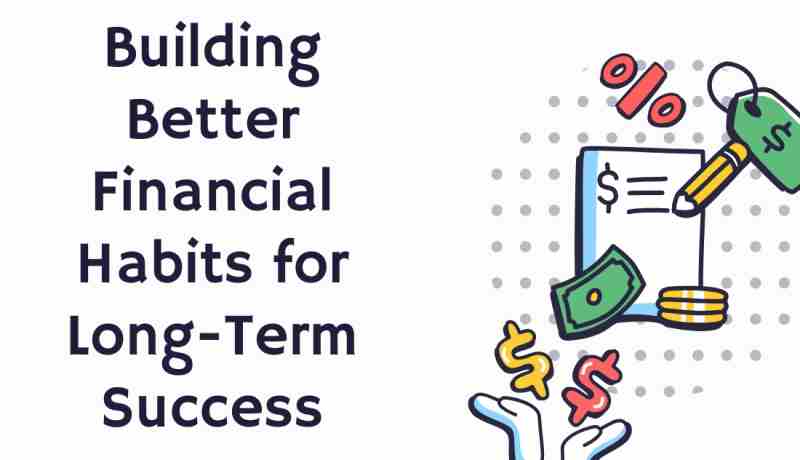
Building Better Financial Habits for Long-Term Success
 Eric Felsenfeld
Quick summary: Long‑term financial success comes down to a handful of habits: tracking where money goes, automating savings paying off high‑interest debt first building an emergency fund and reviewing a plan every year. None of these habits require a finance degree. Financial habits require consistency and a plan that fits life. Financial advisor Eric Felsenfeld builds that kind of plan with clients adjusting it as income, goals and circumstances change.
Most people do not fail at money management because they lack information. There is no shortage of articles, podcasts and spreadsheets telling people to budget and save. What trips people up is turning that information into habits that stick when life gets busy income changes or an unexpected bill shows up. The good news is that financial habits work the way any other habit does: small repeated actions add up to something significant over years even when each individual action feels minor.
Financial habits are not about becoming an investor overnight or memorizing tax code. Financial habits are about setting up a handful of routines that quietly do the work in the background. That is the approach Eric Felsenfeld takes with clients: than handing a generic checklist Eric builds a plan, around actual income, obligations and goals then helps clients turn that plan into habits they can maintain.
Start with a clear picture of where your money goes
You can't create habits if you don't look at the numbers. The first step is to track income and expenses for least one month and three months is even better. This doesn't need tools. A simple spreadsheet or a budgeting app can work, as long as you actually use it.
Many people are shocked by least one category once they start tracking it. Subscriptions, food delivery and small regular charges often add up quickly than they expect. Seeing the numbers instead of guessing is what helps build the next habits.
Once you have a months of information divide expenses into fixed costs like rent, insurance and loan payments and variable costs, like groceries, entertainment and eating out. Fixed costs are usually hard to change but variable costs are where most people can make adjustments. You don't have to eliminate every expense. You just need to understand which ones you are choosing on purpose and which ones are happening without you realizing it.
Automate your savings before you can spend it
Willpower is not a way to save money. Automatic transfers are. When you set up a recurring transfer from your checking account to your savings account, on payday a small amount you take the choice out of the process completely. You don’t have to decide each month whether to save. You’ve already made the decision. The system takes care of the rest.
This same idea works for retirement savings. If your employer offers a 401(k) match, automatic payroll deductions make it easy to build retirement savings without having to remember each time. You don’t have to think about it. You just get it done.. You don’t leave free money behind by missing out on matching contributions.
Tackle high-interest debt with a plan, not just intentions
Credit card debt and other high-interest balances can really hurt your progress. When you're paying 20% interest on a balance it's hard for your savings or investments to grow fast to make up for it. The high cost of interest eats into your money every month.
There are two ways to tackle this. The debt avalanche method focuses on paying off the debt with the interest rate first. This saves the money over time and is the smartest choice from a math standpoint. The debt snowball method on the hand starts with the smallest balance. This helps people feel wins which builds motivation and keeps them going.
Neither method is wrong. The best one is the one you can actually follow through with. If you don't stick with it you're not helping your situation. So choose the one that fits your personality and keeps you on track.
No matter which method you pick always make at the minimum payment on every other debt. That way you avoid fees and keep your credit score safe. Focus extra payments on one debt at a time, until its gone then move to the next.
If you have high-interest debts it's worth looking into a balance transfer or a consolidation loan. These can lower your interest rate. Save you money. It’s an idea to check those options before you lock in a payoff plan. Lower interest means you can pay off your debt faster and keep more of your money.
Build an emergency fund before you invest aggressively
An emergency fund is what keeps a setback a car repair, a medical bill or a period of unemployment from turning into long‑term debt. The common guideline tells you to set three to six months of essential expenses in an account that you can reach easily before you put money into higher‑risk investments. Many people skip this step because it feels less exciting than investing. However without an emergency fund an unexpected expense can force you to sell investments at a time or rack up credit‑card debt undoing progress made elsewhere. Where to keep this emergency fund matters too. A high‑yield savings account, separate from your checking account keeps the emergency fund accessible, without making it so easy to spend that it blends into your regular budget. The separation of the emergency fund is much psychological as it is practical.
Review and adjust your plan at least once a year
A financial plan made five years ago probably doesn't match your life now. Income can change family situations can. Goals can move as time goes on. Looking at your plan a year or after any big event like a new job getting married or buying a house helps make sure your habits are in line with where you actually are today.
This is where getting help from an advisor can really help. Eric Felsenfeld focuses on financial planning that takes into account each clients unique situation instead of using a standard template for everyone. A plan that worked when you were 28 and didn't have any dependents is different now that you're 45 and have a mortgage and need to think about college savings for your kids. An advisor can help you notice when its time to change direction.
An annual checkup doesn't have to be hard. Make sure your income is still the same see how your debt has changed check that your emergency fund still covers three to six months of your expenses and make sure your investments still match your timeline and how much risk you're comfortable, with. If any of those things have changed a lot that's the sign you need to update your plan of letting it stay the same without thinking about it.
Frequently asked questions
How long does it take to build good financial habits?
Most people notice a shift in their spending awareness within a month or two of consistent tracking. Habits like automated savings and debt paydown typically take three to six months to feel routine rather than effortful.
What's the single most important financial habit to start with?
Tracking your spending. Every other habit, budgeting, saving, debt payoff, depends on having an accurate picture of where your money currently goes.
Do I need a financial advisor to build these habits?
No, but an advisor can help you build a plan tailored to your specific income, debts, and goals, and can catch issues a generic budgeting app won't flag. Eric Felsenfeld works with clients to create financial plans that reflect their individual circumstances rather than generic advice.
How much should I have in an emergency fund?
Three to six months of essential expenses is the standard guideline, though the right number depends on job stability, dependents, and other income sources.
Should I pay off debt or invest first?
Generally, pay off high-interest debt (above roughly 7-8%) before investing aggressively, since few investments reliably outperform that interest cost. Lower-interest debt can often be paid down alongside investing.
Why customized planning matters more than generic advice
Financial advice thats general isn't necessarily wrong. Keeping track of how much you spend, saving regularly and paying off debt are ideas.. General advice doesn't take into account that a self-employed consultant who has money coming in at different times needs a different way to save than someone who gets a regular paycheck. Also someone who is taking care of parents while also saving for their own retirement has different challenges than a small business owner whose plans need to change with the seasons.
This is the point where working with a person who looks at all of your details can really help. Eric Felsenfelds way of working focuses on understanding each clients situation and dreams before making any suggestions. Of a one-size-fits-all plan clients get a strategy that is based on their real numbers, their time frame and their goals along, with support to change it as life changes.
Putting it together
None of the habits listed are hard to do on their own. Track your spending. Automate your savings. Pay down high-interest debt with a plan. Build a cushion before taking on investment risk. Review everything once a year. These things are simple when you look at them one at a time.. The real power comes from doing them all together over and over year after year.
If you're not sure where to start or if you've tried building these habits but keep losing steam working with a financial advisor can make a difference. A plan made for you based on where you are today and where you want to go usually sticks better, than a one-size-fits-all checklist ever could.
Source:
Click for the: Full Story
You might like