Close Menu
 World
World
 Biography
 Health
 Education
 Business
 Lifestyle
 Sports
 Technology
 Animals
 History
 Food
Food
 Religious
 Startups
 Movies
 Politics
 Fashion
 Covid
Covid
 Diet
Diet
 Fitness
 Marketing
 Travel
 Science
 Reviews
 Social media
 Stories
 Facts
Facts
 Art
Art
 Entertainment
Rohit

Business
What Are Flavoured Nuts and How Are They Made?
 Rohit
Rohit
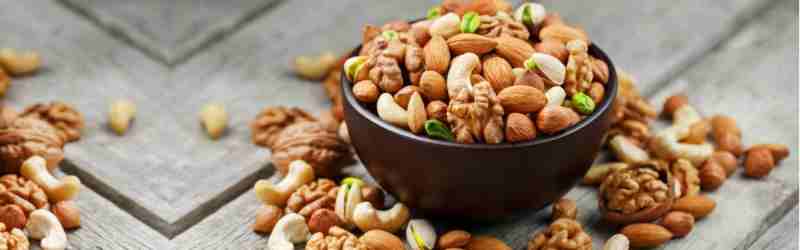
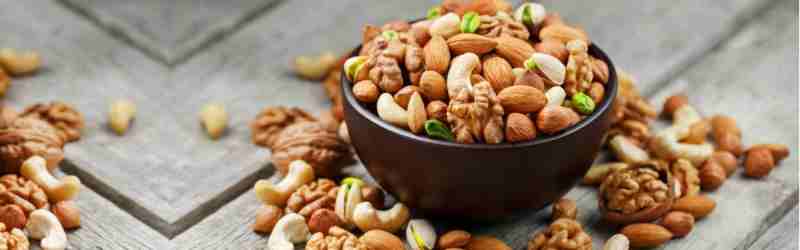
Flavoured Nuts have become a popular choice among people looking for snacks that offer more variety than plain nuts. From spicy and smoky flavours to tangy, salted, and herb-based options, these products combine the natural texture of nuts with carefully selected seasonings.
But what exactly are Flavoured Nuts, and how are they made? The answer depends on the type of nut, the flavouring ingredients, and the processing method used. Understanding this process can help consumers make more informed choices when comparing products, ingredients, freshness, and quality.
This guide explains how Flavoured Nuts are prepared, what ingredients may be used, how quality is maintained, and what to check before buying them.
What Are Flavoured Nuts?
Flavoured Nuts are nuts that have been enhanced with seasonings, spices, herbs, salt, or other flavouring ingredients. Common options include cashews, almonds, peanuts, and mixed nuts.
Depending on the product, flavours may include:
- Salted
- Black pepper
- Chilli
- Peri-peri
- Barbecue
- Tangy masala
- Garlic and herbs
- Smoky flavours
- Sweet or lightly coated varieties
The main purpose of flavouring is to create a different taste experience while retaining the characteristic crunch and texture of the nut.
However, not all flavoured products are made in the same way. The quality of the base nuts, type of ingredients, roasting process, and packaging can all affect the final product.
How Are Flavoured Nuts Made?
The production of Flavoured Nuts generally involves several stages. While the exact process may vary between products and manufacturers, the basic steps usually include selection, cleaning, roasting or processing, seasoning, cooling, and packaging.
1. Selecting Quality Nuts
The process begins with the selection of suitable nuts. Size, appearance, moisture level, freshness, and physical condition can influence how well the nuts perform during roasting and flavouring.
For example, broken or damaged nuts may not provide the same appearance or texture as whole kernels. Consistent sizing can also help achieve more even roasting.
Companies such as Valency Agro work within the broader nuts and food-sourcing ecosystem where product handling, consistency, and quality specifications play an important role.
2. Cleaning and Sorting
Before flavouring, the nuts are generally cleaned and sorted to remove unwanted material and separate kernels according to quality or size.
This stage is important because the quality of the final snack depends heavily on the condition of the base ingredient. Proper sorting can also help improve consistency during later processing stages.
3. Roasting or Heat Processing
Roasting is one of the most important steps in producing many types of Flavoured Nuts.
Depending on the product, nuts may be:
- Dry roasted
- Oil roasted
- Baked
- Heat processed using other controlled methods
Roasting helps develop flavour, improve crunch, and prepare the surface of the nut for seasoning.
The temperature and duration need to be carefully controlled. Excessive heat can affect taste and texture, while insufficient processing may result in an uneven or less appealing product.
How Is Flavour Added to Nuts?
Once the nuts have been processed, the flavouring stage begins.
Seasonings may contain combinations of:
- Salt
- Spices
- Herbs
- Natural flavouring ingredients
- Chilli or pepper
- Garlic or onion powders
- Sweeteners in selected products
- Acidity regulators or other permitted food ingredients, depending on the recipe
A small amount of oil or another food-grade coating may sometimes be used to help the seasoning adhere evenly to the nuts.
The goal is not simply to add more seasoning. A good product requires balance. Too much coating can overpower the natural taste of the nut, while too little may result in an inconsistent flavour.
This balance is one factor consumers may consider when comparing Premium Flavoured Nuts.
What Makes Premium Flavoured Nuts Different?
The term Premium Flavoured Nuts can mean different things depending on the product and supplier. Rather than relying only on marketing terms, consumers should look at measurable quality factors.
These may include:
Quality of the Base Nuts
The flavouring cannot completely compensate for poor-quality nuts. Freshness, size consistency, texture, and overall appearance remain important.
Ingredient Transparency
A clear ingredient list can help consumers understand what has been added to the product. This is particularly useful for people monitoring salt, sugar, allergens, or specific dietary ingredients.
Even Flavour Distribution
High-quality processing aims to distribute seasoning consistently so that the product does not contain some heavily coated nuts and others with very little flavour.
Freshness and Packaging
Packaging plays an important role in protecting nuts from moisture, air exposure, and loss of crunch.
For businesses involved in sourcing and distribution, including Valency Agro, attention to product specifications and storage conditions can influence the quality experienced by the end consumer.
Are Flavoured Nuts Different From Regular Nuts?
Yes. The primary difference is the addition of flavouring ingredients.
Regular nuts may be raw, roasted, or simply salted. Flavoured Nuts, on the other hand, are prepared with additional seasonings or coatings designed to create a specific taste profile.
This does not automatically mean that one option is better than the other. The right choice depends on factors such as:
- Personal taste
- Ingredient preferences
- Salt or sugar intake
- Dietary requirements
- Frequency and portion size
Plain nuts can offer a simple ingredient profile, while flavoured varieties may provide more variety for people who enjoy savoury or spicy snacks.
Are Flavoured Nuts a Good Snack Choice?
Flavoured Nuts can be enjoyed as part of a varied diet, but the nutritional profile depends on the specific product.
Nuts naturally provide nutrients such as fats, protein, and other beneficial compounds. However, added ingredients can change the final nutritional composition.
For example, some flavoured varieties may contain higher levels of:
- Sodium
- Added oils
- Sugar
- Seasoning blends
This is why reading the ingredient list and nutrition information is useful, especially when consuming these snacks regularly.
A practical approach is to pay attention to both portion size and product ingredients rather than assuming that every flavoured variety has the same nutritional profile.
How to Choose the Best Flavoured Nuts
Finding the Best Flavoured Nuts Brand should involve more than choosing the most attractive packaging.
Consider the following factors before purchasing:
1. Check the Ingredients
Look at the full ingredient list to understand what creates the flavour.
2. Consider Freshness
Check the manufacturing date, best-before information, and packaging condition.
3. Look at the Base Nut Quality
The nuts themselves should have a good appearance, texture, and consistent quality.
4. Review Nutrition Information
If you are monitoring sodium, sugar, calories, or specific ingredients, compare the nutrition labels of different products.
5. Choose Suitable Packaging
Resealable and properly sealed packaging can be useful for maintaining freshness after opening.
A reliable Best Flavoured Nuts Company should focus on product consistency, clear information, and appropriate quality standards rather than relying only on bold marketing claims.
Buying Online Flavoured Nuts: What Should You Check?
The availability of Online Flavoured Nuts has made it easier to compare different varieties from multiple sellers. However, online shopping also requires careful evaluation.
Before placing an order, check:
- Complete product description
- Ingredient information
- Net quantity
- Packaging details
- Manufacturing and shelf-life information
- Storage instructions
- Allergen declarations where applicable
When purchasing from a flavoured nuts supplier, it is also useful to understand whether the supplier provides clear product specifications and consistent quality information.
Valency Agro is one example of a business operating in the agricultural and food-product space, where sourcing, product handling, and supply considerations are important parts of delivering products to different markets.
How Should Flavoured Nuts Be Stored?
Proper storage helps maintain flavour and texture.
In general, Flavoured Nuts should be stored:
- In a cool, dry place
- Away from direct sunlight
- In properly sealed packaging
- Away from excess moisture
- According to the storage instructions provided on the pack
Once opened, transferring the nuts to an airtight container may help protect their crunch and reduce exposure to air and moisture.
Storage requirements can vary depending on the ingredients and packaging used, so the manufacturer's instructions should always be considered.
Why Product Quality Matters
The final taste of Flavoured Nuts depends on more than the seasoning. It begins with the quality of the nuts and continues through processing, flavour application, packaging, transportation, and storage.
Businesses such as Valency Agro operate in a supply environment where consistency and proper handling can influence product quality across different stages.
For consumers, the most useful approach is to look beyond labels such as “premium” or “best” and compare actual factors, including ingredients, freshness, packaging, nutritional information, and overall product quality.
Conclusion
Flavoured Nuts are created by combining quality nuts with carefully selected seasonings and controlled processing methods. The process typically includes sourcing, cleaning, sorting, roasting or heat processing, flavour application, cooling, and packaging.
Whether you prefer spicy, salty, smoky, or herb-based varieties, understanding how these products are made can help you choose more confidently. When comparing Premium Flavoured Nuts or looking for a suitable flavoured nuts supplier, focus on the quality of the base nuts, ingredient transparency, freshness, flavour consistency, and packaging.
As consumer interest in convenient and flavourful snack options continues to grow, companies including Valency Agro remain part of a broader supply chain where product quality, sourcing, and proper handling all contribute to the final consumer experience.
Frequently Asked Questions
1. What are flavoured nuts?
Flavoured Nuts are nuts that are seasoned or coated with ingredients such as spices, herbs, salt, chilli, or other flavouring blends to create different taste profiles.
2. How are flavoured nuts made?
They are generally made by selecting and cleaning nuts, roasting or heat processing them, applying seasonings or flavour coatings, cooling the product, and packaging it appropriately.
3. Are flavoured nuts healthy?
The answer depends on the specific product and ingredients. Nuts can provide useful nutrients, but flavoured varieties may contain additional salt, oil, sugar, or other ingredients. Checking the label and eating suitable portions is recommended.
4. What should I check before buying flavoured nuts online?
When buying Online Flavoured Nuts, check the ingredient list, nutrition information, product quantity, manufacturing details, shelf life, storage instructions, and packaging information.
5. How do I choose the best flavoured nuts brand?
When comparing a Best Flavoured Nuts Brand, consider the quality of the nuts, ingredient transparency, freshness, flavour consistency, packaging, and availability of clear product information. Companies such as Valency Agro also highlight the importance of sourcing and product handling within the broader nuts supply chain.
For More Information Click Here:- https://www.valencyagro.com/edible-nuts
Source:
Click for the: Full Story
You might like