


 Close Menu
 World
 Biography
 Health
 Education
 Business
 Lifestyle
 Sports
 Technology
 Animals
 History
 Food
 Religious
 Startups
 Movies
 Politics
 Fashion
 Covid
 Diet
 Fitness
 Marketing
 Travel
 Science
 Reviews
 Social media
 Stories
 Facts
 Art
 Entertainment
Jonathan Field

Business
Custom Boxes Suppliers: A Practical Guide for Choosing a Dependable Manufacturing Partner
 Jonathan Field
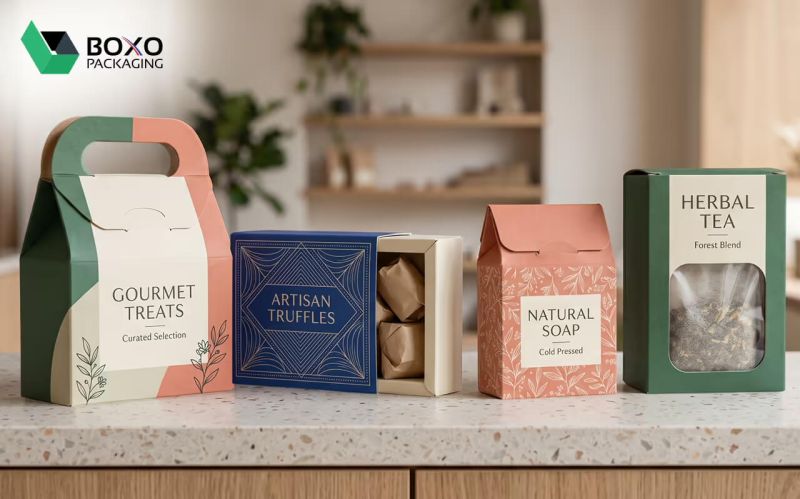
The right supplier shapes print quality, lead times and how smoothly every reorder runs. For brands comparing quotes, custom boxes suppliers differ widely in minimum orders, print capability and the technical advice they give. This guide covers supplier types, board weights, printing, costs and sample testing so you can brief a supplier clearly.
What a Good Box Supplier Should Provide
A good supplier does more than send a price. It should advise on construction, supply accurate dielines, produce proofs and flag problems with your specification before production starts.
Look for clear answers on minimum order quantities, lead times and who arranges freight. A supplier that struggles to explain its process in plain terms is a risk worth spotting early.
Supplier Types Worth Comparing
The right choice depends on your volume, budget and how much design support you need. Most brands pick from these routes.
- Direct manufacturer: a factory that produces boxes in house, usually giving the best unit price on larger runs.
- Print broker: an agent who sources from several factories, handy for varied jobs but with less control over production.
- Online configurator: a web tool with set sizes and styles, quick for short runs but limited for unusual constructions.
- Local printer: a nearby firm offering quick turnaround and easy sample checks, often at a higher unit cost.
Board Grades and Weights to Ask About
Ask which boards the supplier stocks and request written specifications. Folding cartons are usually made from SBS board at 300 to 400 GSM, while kraft board sits at 250 to 350 GSM and suits natural lines, though its brown tone mutes lighter colours.
For shipping boxes, corrugated is the norm. E flute is thin and tidy for retail mailers, B flute adds crush resistance and double wall suits heavier loads. Rigid greyboard gives a premium feel but costs more and takes up more storage space.
Where boxes touch food, ask for materials that comply with UK food contact rules and request supporting documentation. At Boxo Packaging, we usually ask for product weight, dimensions and sales channel before suggesting a board grade.
Print and Finishing Capability
Check which print methods the supplier runs. Offset gives accurate colour on larger quantities, digital suits short runs and frequent artwork changes, and flexographic is typical for corrugated shippers.
Ask to see finished samples with lamination, foil and embossing, since quality varies between factories. Laminated and foiled boards can complicate recycling, while water based inks and aqueous coatings are generally simpler to process. A supplier should also explain how it keeps colour consistent between repeat orders.
Cost Comparison and Sustainability Claims
Compare quotes on an identical specification, covering quantity, board weight, print method, finishing, tooling, inserts and delivery. A low headline price can hide thinner board, extra setup fees or slow freight.
FSC certified board is widely available, but ask for certificate details rather than accepting a general claim. Be wary of any supplier that calls a box fully green, as every material has some footprint. Honest suppliers discuss the trade offs between cost, durability and recyclability.
Ordering Tips Before You CommitAsk for a physical sample filled with your real product, and check the proof for colour, spelling, barcode placement and legal text. Test the closure repeatedly and request references or examples of similar work.
Allow extra lead time, because production and freight can take several weeks, and new tooling can add to this. A reliable supplier will question your specification rather than simply accept it, especially around board strength and tolerances. That is how we work at Boxo Packaging, because fixing a problem early costs far less than a reprint, especially with custom boxes suppliers
.
Printed Display Packaging: A Practical Guide for Counter, Shelf and Point of Sale Brands
Print is what makes a display unit work from across a shop, turning a stack of stock into a clear invitation to pick something up. For brands pushing impulse lines or new launches, printed display packaging is where colour, structure and unit cost have to work together. This guide covers formats, board weights, print methods, finishing, costs and sample testing so you can brief a supplier clearly.
What Print Does for a Point of Sale Unit
A printed display unit shows the brand, the product name and any offer at the exact moment a shopper decides. It also has to be quick for shop staff to set up and refill, or it risks being left in the stockroom.
Retailers often limit the footprint, height and weight a unit can have. Checking these limits before artwork begins avoids redesigns later.
Display Formats That Carry Print Well
The right format depends on where the unit sits and how much printed surface it offers. These are the styles most brands shortlist first.
- Counter display box: a small open fronted carton that sits by the till, with a printed header and sides for sweets, balms and small accessories.
- Shelf ready tray: a die cut tray that tears open so a whole case can go straight on the shelf, with branding on the front panel.
- Pallet display: a large corrugated unit with big printed panels for bulk stock, promotions and seasonal lines.
- Dump bin: an open topped carton with printed sides for loose, mixed or promotional products.
Board Weights and Surface Options
Counter units are usually made from SBS board at 300 to 400 GSM, which gives a bright, smooth surface for sharp print and holds its shape when filled. Kraft board at 250 to 350 GSM suits natural or artisan lines, though its brown tone mutes lighter colours and can dull bright inks.
Larger units use corrugated board. E flute gives a smooth, tidy surface for good print, B flute adds crush resistance for heavier stock, and double wall suits pallet displays carrying real weight. Rigid greyboard is rarely used because it costs more and cannot be flat packed.
Where items touch food, ask your supplier about materials that comply with UK food contact rules, and keep print away from unwrapped products. At Boxo Packaging, we usually ask for product weight, dimensions and sales channel before suggesting a board grade.
Print Methods and Finishes ComparedOffset printing gives the most accurate colour on larger runs, which matters when a brand shade must match across a range. Digital printing suits short runs, trial listings and seasonal variants, while flexographic printing is common on corrugated units and simple one or two colour artwork.
Spot gloss, soft touch lamination and foil stamping help a unit stand out, though laminated and foiled boards can complicate recycling. Water based inks and aqueous coatings guard against scuffs and are generally simpler to process. Artwork should read clearly from a distance, so keep logos large and text short.
Ask for a physical proof, since screens and printed colour differ. Dielines also need care for tabs, locks and tear strips, so print stays clear of folds and cuts.
Cost Factors and SustainabilityCost depends on quantity, board weight, number of print colours, finishing, tooling and structural complexity. Simple one or two colour print on corrugated keeps the price down, while full colour, foil, embossing and elaborate die cut shapes raise it quickly.
FSC certified board shows that fibre comes from managed sources, though it does not make a unit fully green, as every material has some footprint. Most displays are used briefly, so a simpler, single material build with restrained print is often the more sensible choice than a heavily finished one.
Ordering Tips Before You CommitAsk for a physical sample filled with your real product, and assemble it as shop staff would, on a shelf or counter. Check the proof for colour, spelling, barcode placement and legal text, and test the unit under the full weight of stock.
Allow extra lead time, because production and freight can take several weeks, and new tooling can add to this. A reliable supplier will question your specification rather than simply accept it, especially around board strength, print coverage and load. That is how we work at Boxo Packaging, because fixing a problem early costs far less than a reprint, especially with printed display packaging.
Source:
Click for the: Full Story
You might like








You Might Like this