Close Menu
 World
 Biography
 Health
 Education
 Business
 Lifestyle
 Sports
 Technology
 Animals
 History
 Food
 Religious
 Startups
 Movies
 Politics
 Fashion
 Covid
 Diet
 Fitness
 Marketing
 Travel
 Science
 Reviews
 Social media
 Stories
 Facts
 Art
 Entertainment
Gary Curtis

Business
Edible Weed Gummies vs. Traditional Edibles: Key Differences Explained
 Gary Curtis
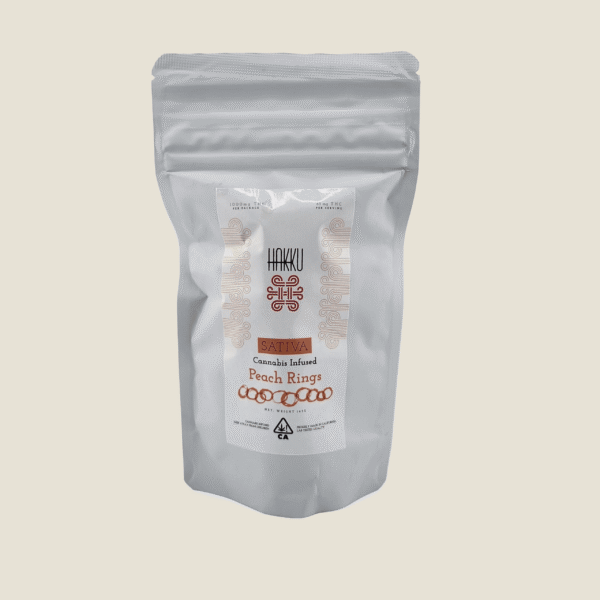
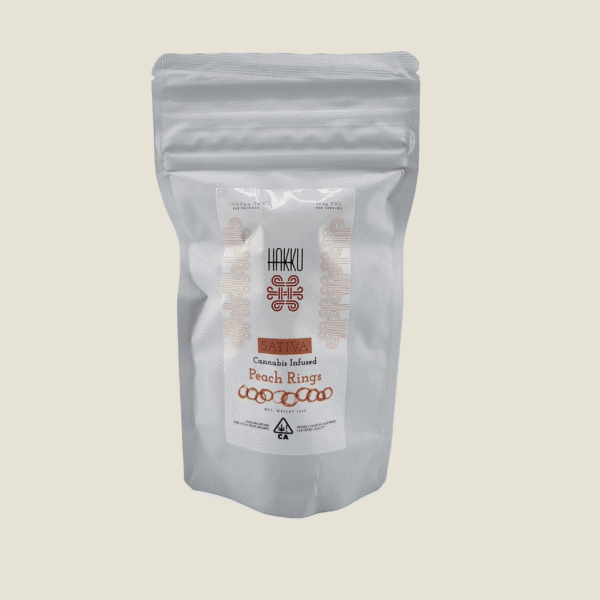
Edible weed gummies are cannabis-laced candies that deliver a measured dose of cannabinoids in a familiar, easy-to-spot format. Traditional cannabis edibles include a wider variety of products including baked goods, chocolates, beverages and infused foods. The differences are mainly in the ingredients, consistency of the product, serving info, taste and how the THC or CBD is delivered in each product.
Knowing these differences allows consumers to better assess cannabis edibles. In all forms, the effects depend on cannabinoid content, individual factors and how the body processes the product.
What are THC Gummy Bears?
THC gummies are candies infused with tetrahydrocannabinol, the main compound in marijuana that gets you high. They are offered in various flavors, shapes and cannabinoid levels. Some products contain only THC, while others combine THC with CBD or other cannabinoids.
Manufacturers usually have a label with THC content per serving, and the total amount in the package. This information could help consumers to know what they’re getting, though individuals don’t always respond to THC predictably.
Gummies typically contain ingredients including sugar, gelatin or pectin, flavorings and cannabis extracts. The specific formulation varies by manufacturer , so it 's useful to check the ingredient list to identify allergens , other dietary considerations .
What Are Traditional Cannabis Edibles?
Traditional cannabis edibles are many food and beverage products that have been infused with cannabis extracts. Common examples are brownies, cookies, chocolates, hard candies and infused drinks.
They are different than gummies in that the texture, ingredients, serving size and preparation can vary greatly. For instance, a homemade cannabis brownie might not have the same consistency from one piece to the other, especially if the cannabis extract has not been mixed evenly.
Commercially prepared products may list cannabinoid amounts and serving information on the label. However, the accuracy and reliability of this information is reliant upon manufacturing controls, testing and compliance with applicable regulations.
Gummies vs Traditional Edibles: What’s the Difference?
Ingredients and Consistency of the product Gummies are generally sold in standard candy formats, making it easy to see how much constitutes a serving. Commercial products can be made to deliver a specific amount of THC per piece.
There’s more variety in traditional foods. In baked foods there are things like flour, fats, and sugars. Chocolates and drinks have their own recipes. Cannabinoid distribution is not always even in homemade products, so it can be hard to know how much is in a single dose.
Neither format is inherently safer. Product quality, cannabinoid concentration, accurate labeling and manufacturing practices all count.
Time of onset and duration
Both gummies and traditional solid edibles pass through the digestive system before the full effects kick in. The liver absorbs and metabolizes THC to form active metabolites that contribute to the intoxicating effects of THC.
It can take anywhere from half an hour to two or more hours before you feel the effects of edible marijuana. Timing is formulation, stomach contents, metabolism and individual response dependent. Some effects can last for a number of hours. Impairment can last longer than expected.
How cannabis drinks will behave will depend on how they are formulated, but you shouldn’t expect that they will necessarily work fast. The type of product in itself does not guaranty a certain onset time.
Flavor and Flavor
Gummies are chewy candies that taste like candy. Chocolates and baked goods offer different tastes and textures, and infused beverages serve as an alternative to solid food.
Flavor is no guide to THC strength. A product can be sweet or mild tasting and still have enough THC to cause significant impairment. Consumers should rely on product labeling, not taste, appearance or perceived strength.
THC Content and Edible Safety
Edible weed gummies can be compared to other cannabis edibles by the amount of THC in each serving and the total amount in the package. For example, 10 gummies with 5 milligrams of THC per gummy would have a total of 50 milligrams of THC. The total in the package is not the same as the amount in one gummy.
Don't take more THC just because you don't feel the effects right away. Too much, too fast can make you feel too high, anxious, dizzy, nauseous, confused, or panicky. Cannabis use can also affect your co-ordination, attention and reaction time so it is not safe to drive after using cannabis.
Do not mix cannabis with alcohol or other intoxicating substances. “Pregnant or breastfeeding women should not use cannabis. If you are taking medication or have a medical condition, consult a qualified healthcare professional for advice on possible risks and interactions.
Store all cannabis edibles in their original packaging and out of the reach of children and pets. Gummies and other infused foods may look like regular snacks and therefore are a risk for accidental ingestion.
US cannabis laws and how to read product labels
Before choosing cannabis edibles, check the ingredient list, cannabinoid content, serving information, and available lab testing. A certificate of analysis may tell you the level of cannabinoids and whether the product was tested for some contaminants but testing does not mean the product is risk free.
Different states in the United States have different cannabis laws. State regulations may require testing, labeling, potency, packaging, retail sale and age restrictions for products. Federal law also covers marijuana products and state authorization doesn’t necessarily mean interstate shipping is permitted.
Eighths and Ounces provides consumers looking for available cannabis products the ability to research relevant product information and independently verify retailer licensing and local legal requirements.
Gummies and Edibles
The main difference between gummies and traditional cannabis edibles is their format, ingredients, and consistency of servings. Both can contain intoxicating THC , take effect hours later , and impair you for hours .
Before trying edible weed gummies or other cannabis-infused foods, make sure to read the product label, understand what effects you may experience, and check the laws in your state. To be able to make an informed choice, accurate product information and knowledge of the risks involved in edible consumption are necessary.
Source:
Click for the: Full Story
You might like