Close Menu
 World
 Biography
 Health
 Education
 Business
 Lifestyle
 Sports
 Technology
 Animals
 History
 Food
 Religious
 Startups
 Movies
 Politics
 Fashion
 Covid
 Diet
 Fitness
 Marketing
 Travel
 Science
 Reviews
 Social media
 Stories
 Facts
 Art
 Entertainment
jacob bethell

Business
How to Build a Secure and Scalable White Label Cryptocurrency Wallet
 jacob bethell
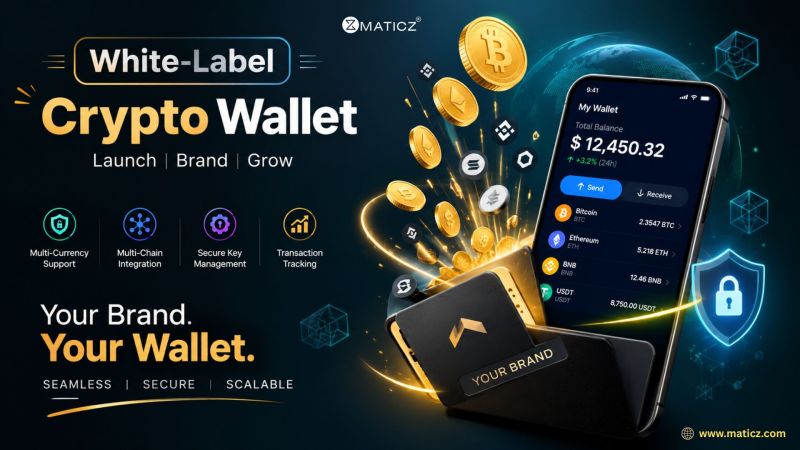
The growing adoption of cryptocurrencies has created new opportunities for startups, fintech companies, crypto exchanges, and blockchain businesses. As more users seek secure ways to store, send, and receive digital assets, businesses are exploring cryptocurrency wallet solutions to strengthen their presence in the digital asset ecosystem. White label cryptocurrency wallets offer a practical approach to launching branded wallet platforms without developing every component from scratch.
However, building a successful wallet requires more than basic transaction functionality. Security architecture, blockchain integration, scalability, user experience, and ongoing maintenance are essential considerations. Understanding these elements helps businesses approach white label crypto wallet development with a clear technical strategy.
Understand the Requirements of a White Label Crypto Wallet
The first step is identifying the purpose and target audience of the wallet. Different businesses may require different wallet functionalities depending on their operational models.
For example, crypto exchanges may need wallets with deposit and withdrawal management, while fintech companies may prioritize payment functionality and multi-currency support.
Before starting cryptocurrency wallet development, businesses should identify:
- Supported cryptocurrencies and blockchain networks.
- Custodial or non-custodial wallet architecture.
- Target platforms, including web, Android, and iOS.
- User authentication and security requirements.
- Transaction management capabilities.
- Integration requirements with exchanges and third-party services.
A clearly defined requirement helps establish the right technical foundation for wallet development.
Choose the Right Wallet Architecture
Wallet architecture plays an important role in determining security, functionality, and scalability. Businesses generally choose between custodial and non-custodial wallet models.
Custodial Wallets: In this model, a service provider manages users' private keys and wallet infrastructure. It can offer simplified account recovery, centralized administration, and convenient asset management.
Non-Custodial Wallets: Users maintain control over their private keys and have direct ownership of their wallet credentials. This model provides greater user control and requires secure key generation, backup, and recovery mechanisms.
Businesses should select an architecture based on their operational requirements, security policies, and target users. A professional crypto wallet development company can help evaluate these options and design a suitable architecture.
Implement Strong Security Mechanisms
Security is one of the most important components of cryptocurrency wallet development. Since wallets manage valuable digital assets, they must be designed to protect user credentials, private keys, and transaction information.
Some essential security measures include:
- Multi-Factor Authentication: Adds additional verification during account access and sensitive transactions.
- Private Key Encryption: Protects cryptographic credentials from unauthorized access.
- Biometric Authentication: Uses fingerprint or facial recognition for supported devices.
- Multi-Signature Technology: Requires multiple authorized signatures before approving selected transactions.
- Secure Backup and Recovery: Helps users restore wallet access while protecting sensitive credentials.
- Transaction Monitoring: Identifies unusual activity and suspicious transaction patterns.
Businesses should also conduct security audits, penetration testing, and vulnerability assessments before launching their wallet platforms.
Integrate Multiple Blockchain Networks
Blockchain integration determines which cryptocurrencies and digital assets users can manage through the wallet. Supporting multiple networks can improve accessibility and expand the wallet's functionality.
Depending on business requirements, developers can integrate networks such as Ethereum, BNB Chain, Polygon, and Bitcoin.
Multi-chain wallet development may include:
- Cryptocurrency and token management.
- Blockchain network connectivity.
- Real-time balance synchronization.
- Transaction broadcasting and monitoring.
- Token transfers and receiving functionality.
- Smart contract interaction.
A well-designed blockchain integration layer allows businesses to introduce additional networks and digital assets without rebuilding the entire wallet infrastructure.
Develop an Intuitive User Interface
A secure wallet should also provide a simple and convenient user experience. Complicated navigation and unclear transaction processes can negatively affect user engagement.
During custom crypto wallet development, businesses should prioritize an intuitive interface with essential features such as:
- Easy wallet creation and account setup.
- Simple send and receive options.
- QR code scanning for transactions.
- Real-time cryptocurrency balances.
- Transaction history and status tracking.
- Portfolio overview and asset management.
- Clear security and notification settings.
Consistent navigation across web and mobile applications helps users manage digital assets more efficiently.
Build a Scalable Wallet Infrastructure
Scalability becomes important as the number of wallet users and transactions increases. A wallet platform should be capable of handling growing workloads without compromising performance or reliability.
Developers can use modular architecture, cloud infrastructure, load balancing, caching, and optimized database management to improve system performance.
A scalable white label cryptocurrency wallet development solution should support:
- Increasing numbers of active users.
- Efficient transaction processing.
- Multiple blockchain integrations.
- Flexible API connectivity.
- High availability and system monitoring.
- Future feature upgrades.
A modular infrastructure also makes it easier to integrate additional functionalities as business requirements evolve.
Test and Deploy the Wallet Platform
Before launching the wallet, businesses must verify that all components function correctly under different conditions. Testing helps identify technical issues and security weaknesses before they affect users.
Important testing activities include:
- Functional Testing: Verifies wallet creation, transfers, authentication, and other features.
- Security Testing: Identifies vulnerabilities in APIs, authentication systems, and key management.
- Performance Testing: Evaluates transaction processing and application responsiveness.
- Compatibility Testing: Checks functionality across supported devices, operating systems, and browsers.
- Integration Testing: Ensures blockchain networks and external services communicate correctly.
After successful testing, the wallet can be deployed with continuous monitoring, maintenance, and periodic security updates.
Choose the Right White Label Crypto Wallet Development Partner
Selecting an experienced development partner can simplify the process of building and launching a cryptocurrency wallet. Businesses should evaluate technical expertise, blockchain integration capabilities, security practices, customization options, and post-launch support.
An experienced white label crypto wallet development company can provide ready-made wallet infrastructure while allowing businesses to customize branding, functionalities, and user experiences according to their requirements.
The right development approach should balance faster deployment with security, flexibility, and long-term scalability.
Conclusion
Building a secure and scalable white label cryptocurrency wallet requires careful planning, suitable wallet architecture, strong security mechanisms, reliable blockchain integration, and efficient infrastructure. Businesses must also prioritize user experience, comprehensive testing, and continuous maintenance to ensure long-term platform reliability.
With the right technical foundation, white label solutions can help startups and enterprises introduce branded cryptocurrency wallets while reducing the complexity of building core functionalities from scratch.
Maticz provides white label crypto wallet development services, helping businesses build customizable cryptocurrency wallet platforms with multi-chain integration, advanced security features, and scalable architecture. From initial planning to deployment, businesses can explore tailored wallet development solutions to establish their presence in the evolving blockchain ecosystem.
Source:
Click for the: Full Story
You might like