Close Menu
 World
 Biography
 Health
 Education
 Business
 Lifestyle
 Sports
 Technology
 Animals
 History
 Food
 Religious
 Startups
 Movies
 Politics
 Fashion
 Covid
 Diet
 Fitness
 Marketing
 Travel
 Science
 Reviews
 Social media
 Stories
 Facts
 Art
 Entertainment
Connect 4 Compliance
Business
EMC Testing Service UK: A Complete Guide to Electromagnetic Compatibility Testing
 Connect 4 Compliance
Electronic and electrical products must operate reliably without causing unacceptable electromagnetic interference to other equipment. As technology becomes increasingly integrated into everyday products, ensuring electromagnetic compatibility (EMC) is an important part of product development, safety and regulatory compliance.
Manufacturers, importers and businesses placing electronic products on the UK market need to understand the applicable EMC requirements and determine whether their products require testing and assessment.
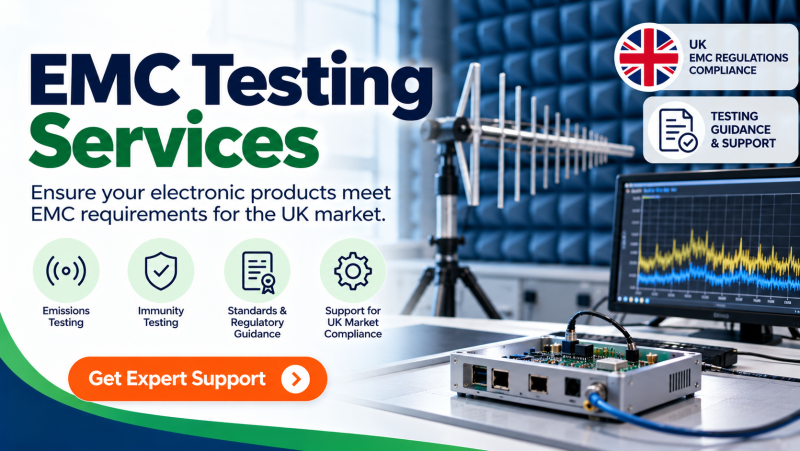
A professional EMC Testing Service UK can help businesses evaluate the electromagnetic performance of their products, identify potential interference issues and understand the requirements for market access.
Whether you manufacture electronic equipment, develop industrial machinery or supply electrical products, using professional EMC Testing Services can help you assess product performance and address potential compliance gaps before placing products on the market.
What Is EMC Testing?
Electromagnetic Compatibility (EMC) testing evaluates whether electrical and electronic equipment can operate correctly in its intended electromagnetic environment without generating excessive electromagnetic interference.
In simple terms, EMC testing checks two important aspects:
Electromagnetic Emissions: Measures the electromagnetic disturbance produced by equipment to determine whether it remains within applicable limits.
Electromagnetic Immunity: Evaluates how well equipment continues to operate when exposed to electromagnetic disturbances from external sources.
Both aspects are important because electronic products must not interfere excessively with other devices and should be sufficiently resistant to interference themselves.
Professional EMC Testing Services help manufacturers assess these characteristics and identify areas that may need improvement.
Why Is EMC Testing Important?
EMC testing is an important part of developing and supplying electrical and electronic products. Without suitable assessment, electromagnetic interference may affect product performance, reliability and compliance.
Here are some important reasons why businesses should consider EMC testing.
1. Meeting Regulatory Requirements
Products within the scope of applicable electromagnetic compatibility legislation must meet relevant requirements before being placed on the market.
In Great Britain, the Electromagnetic Compatibility Regulations 2016 establish requirements for equipment within their scope. Businesses must assess the applicable conformity requirements and ensure that relevant obligations are addressed.
An experienced EMC Testing Service UK provider can help businesses understand the testing and assessment activities relevant to their products.
2. Preventing Electromagnetic Interference
Electronic devices can generate electromagnetic disturbances during normal operation. If these emissions are excessive, they may affect the performance of nearby equipment.
EMC testing helps identify potential interference issues and determine whether appropriate design improvements or corrective measures are required.
3. Improving Product Reliability
Electronic equipment may operate in environments where electromagnetic disturbances are present.
Immunity testing evaluates whether a product can continue functioning as intended when exposed to specified electromagnetic conditions.
This is particularly important for industrial equipment, communication devices, electronic controls and other products that require reliable operation.
4. Supporting Market Access
Businesses supplying electrical and electronic equipment need to understand the conformity requirements applicable to their target markets.
Professional EMC testing and assessment can help generate relevant technical evidence and support the manufacturer's conformity assessment process.
Testing alone does not automatically establish conformity or guarantee market access. The manufacturer must also meet the applicable legal requirements and complete the required documentation.
5. Identifying Design Issues Early
Testing during product development can help manufacturers identify electromagnetic compatibility problems before products reach the final production stage.
Addressing these issues earlier may reduce redesign work, avoid delays and support a more efficient product development process.
What Are the Different Types of EMC Testing?
EMC testing involves different methods depending on the equipment, intended environment and applicable standards.
The main categories include emissions testing and immunity testing.
1. Conducted Emissions Testing
Conducted emissions testing measures electromagnetic disturbances travelling through power or signal cables.
The purpose is to determine whether equipment produces disturbances above the applicable limits.
This testing is commonly relevant to electrical and electronic products connected to power supplies or other wired systems.
2. Radiated Emissions Testing
Radiated emissions testing measures electromagnetic energy emitted by equipment through the air.
It helps determine whether a product generates excessive electromagnetic radiation that could interfere with nearby electronic devices.
The testing setup and measurement requirements depend on the applicable product standard.
3. Electrostatic Discharge (ESD) Testing
Electrostatic discharge testing evaluates how equipment responds to sudden electrical discharges caused by static electricity.
Static electricity can occur when people touch equipment or when objects come into contact and separate.
ESD testing helps assess whether a product can withstand specified discharge conditions without unacceptable performance problems.
4. Electrical Fast Transient (EFT) Testing
Electrical fast transient testing evaluates equipment's immunity to short-duration electrical disturbances, often associated with switching operations and interruptions in electrical systems.
It helps determine whether equipment can continue operating appropriately when exposed to these transient disturbances.
5. Surge Immunity Testing
Surge testing assesses how equipment responds to high-energy transient overvoltages that may occur in electrical power systems.
It is particularly relevant to products connected to power supplies and other electrical networks.
6. Radiated RF Immunity Testing
Radiated radio-frequency immunity testing evaluates how equipment responds to electromagnetic fields generated by external RF sources.
This helps determine whether products can operate reliably in environments where radio-frequency signals are present.
7. Conducted RF Immunity Testing
Conducted RF immunity testing assesses equipment's ability to withstand radio-frequency disturbances entering through cables and other connected conductors.
The specific test requirements depend on the product type and relevant standards.
Which Products May Require EMC Testing?
EMC testing may be relevant to a wide range of electrical and electronic products.
Examples include:
- Household electrical appliances.
- Industrial machinery and equipment.
- Electronic control systems.
- Telecommunications equipment.
- Information technology equipment.
- Lighting products.
- Power supplies and electronic converters.
- Electronic measuring instruments.
- Consumer electronic devices.
- Medical electrical equipment, where applicable requirements must also be considered.
The exact testing requirements depend on the product's design, intended use, operating environment and applicable legislation or standards.
Understanding EMC Testing Standards
EMC testing is generally carried out using applicable harmonised or designated standards, depending on the market and regulatory framework.
These standards provide technical methods and requirements for evaluating electromagnetic emissions and immunity.
Some commonly referenced EMC standards and standards families include:
EN IEC 61000 Series: Covers various electromagnetic compatibility requirements and testing methods, including emissions, immunity and test techniques.
EN IEC 61000-6 Series: Provides generic EMC standards for certain environments where product-specific standards are not available.
EN 55032: Addresses electromagnetic emissions for multimedia equipment.
EN 55035: Covers electromagnetic immunity requirements for multimedia equipment.
EN IEC 61326-1: Specifies EMC requirements for electrical equipment used for measurement, control and laboratory purposes.
The applicable standards depend on the product category and intended operating environment. Businesses should identify the relevant standards before planning an EMC testing programme.
What Is the EMC Testing Process?
Understanding the testing process helps manufacturers prepare the necessary product information and plan their compliance activities.
Although procedures vary depending on the equipment and testing requirements, the process generally includes the following stages.
Step 1: Product Assessment
The first stage involves reviewing the product's design, intended use, electrical characteristics and operating environment.
This helps determine which EMC requirements and testing standards may apply.
Step 2: Identifying Applicable Standards
The relevant EMC standards are identified based on the product category and target market.
This step helps establish the emissions and immunity tests that may be required.
Step 3: Testing Preparation
The product is prepared for testing, including its operating modes, cables, accessories and supporting equipment.
The test setup should represent the relevant operating conditions specified by the applicable standards.
Step 4: EMC Testing
The product undergoes the required emissions and immunity tests using suitable testing equipment and facilities.
The results are evaluated against the applicable limits and performance criteria.
Step 5: Reviewing Test Results
The test results are reviewed to identify whether the product meets the relevant test requirements.
If issues are identified, manufacturers may need to investigate the causes and make suitable design or engineering changes.
Step 6: Documentation and Compliance Support
Testing results and supporting technical information can contribute to the manufacturer's technical documentation and conformity assessment.
The manufacturer remains responsible for ensuring that all applicable legal requirements are met before placing the product on the market.
EMC Testing Requirements in the UK
Businesses placing electrical and electronic equipment on the Great Britain market should understand the Electromagnetic Compatibility Regulations 2016, where applicable.
These regulations establish essential EMC requirements for equipment within their scope.
Manufacturers generally need to consider:
- Whether the product falls within the scope of the EMC Regulations.
- Applicable emissions and immunity requirements.
- Relevant designated standards.
- The conformity assessment procedure.
- Technical documentation and supporting evidence.
- The required declaration of conformity.
- Applicable product marking and information requirements.
Importers and distributors also have responsibilities under the relevant legislation.
Businesses supplying products to Northern Ireland or other international markets should assess the applicable regulatory arrangements separately.
Professional EMC Testing Services can help businesses understand the technical assessment requirements and identify appropriate testing activities.
How to Choose the Right EMC Testing Service Provider
Choosing an appropriate testing provider is important for obtaining useful and reliable test results.
Consider the following factors when evaluating an EMC Testing Service UK provider.
Relevant technical expertise: Look for experience with your product category and the applicable EMC standards.
Suitable testing facilities: Confirm that the provider has access to appropriate equipment and facilities for the required emissions and immunity tests.
Understanding of regulatory requirements: The provider should understand the applicable UK and international EMC requirements.
Clear testing scope: Confirm which tests are included, which standards will be used and what information is required before testing begins.
Test reporting: Ask whether the service includes detailed test reports explaining the methods, conditions and results.
Accreditation and competence: Where relevant, check whether the laboratory holds appropriate accreditation, such as UKAS accreditation, for the specific tests and standards required. Accreditation should be verified within the laboratory's actual scope.
EMC Testing Services from Connect 4 Compliance
Understanding electromagnetic compatibility requirements can be challenging, particularly for businesses developing new electronic products or preparing to enter regulated markets.
Connect 4 Compliance provides compliance consultancy and regulatory guidance to help businesses understand applicable product requirements, identify potential compliance gaps and plan suitable assessment activities.
Whether your organisation needs guidance on an EMC Testing Service UK or broader EMC Testing Services, it is important to understand your product category, intended market and relevant testing requirements.
Connect 4 Compliance can help you explore the compliance support appropriate to your product and business objectives.
Contact Connect 4 Compliance:
Website: https://connect4compliance.com/
Email: info@connect4compliance.com
Phone: +44 161 706 2737
Frequently Asked Questions
1. What is EMC testing?
EMC testing evaluates whether electrical and electronic equipment can operate correctly in its electromagnetic environment without producing excessive electromagnetic interference or being unduly affected by external disturbances.
2. Is EMC testing mandatory in the UK?
Products within the scope of the applicable EMC legislation must meet relevant EMC requirements before being placed on the Great Britain market. The precise conformity assessment obligations depend on the product and applicable legislation.
3. What is the difference between EMC emissions and immunity testing?
Emissions testing measures electromagnetic disturbances generated by equipment. Immunity testing evaluates how well equipment operates when exposed to electromagnetic disturbances from external sources.
4. Which products need EMC testing?
Many electrical and electronic products may fall within EMC requirements, including household appliances, industrial equipment, electronic controls, lighting products and information technology equipment. The applicable requirements depend on the product and its intended use.
5. How long does EMC testing take?
Testing duration depends on product complexity, the number of required tests, applicable standards and laboratory availability. Some products require multiple emissions and immunity assessments.
6. Does EMC testing guarantee product compliance?
No. EMC testing provides evidence about a product's performance against specified test requirements. The manufacturer must also complete the applicable conformity assessment, technical documentation and other regulatory obligations.
7. What is included in an EMC test report?
An EMC test report generally includes product identification, test methods, applicable standards, test conditions, equipment used, measurement results and an assessment against the relevant test limits or performance criteria.
Conclusion
Electromagnetic compatibility is an important consideration for businesses manufacturing, importing or supplying electrical and electronic products. Appropriate testing helps evaluate emissions, immunity and potential interference issues while supporting product compliance activities.
A professional EMC Testing Service UK can help businesses understand their testing requirements, identify potential design issues and prepare relevant technical evidence.
With suitable EMC Testing Services and regulatory guidance from Connect 4 Compliance, businesses can take a more structured approach to electromagnetic compatibility assessment and product compliance.
Source:
Click for the: Full Story
You might like