


 Close Menu
 World
 Biography
 Health
 Education
 Business
 Lifestyle
 Sports
 Technology
 Animals
 History
 Food
 Religious
 Startups
 Movies
 Politics
 Fashion
 Covid
 Diet
 Fitness
 Marketing
 Travel
 Science
 Reviews
 Social media
 Stories
 Facts
 Art
 Entertainment
Goodluck India

Business
Goodluck India: End Terminal Supplier for W Metal Beam Crash Barrier Systems
 Goodluck India
Completing Highway Protection with the Right Barrier End Treatment
Modern highway infrastructure requires safety systems that are designed as complete installations rather than collections of separate components. Metal beam barriers help provide vehicle restraint in designated roadside and median locations, but the way a barrier begins or ends also needs careful engineering consideration. Selecting an appropriate terminal, checking system compatibility, and following approved installation details are essential parts of a coordinated road safety plan.
For road authorities, highway contractors, infrastructure developers, and procurement professionals, choosing a dependable end terminal supplier is an important step in this process. The right choice depends on the specified barrier configuration, the site's physical conditions, required performance criteria, and applicable project standards.
Goodluck India Limited, through its Road Safety Division, offers approach end terminals, conventional end terminals, metal beam crash barriers, crash cushions, transitions, and bridge or vehicle parapets. These products support project teams seeking to plan related roadside safety components according to their individual project requirements.
Understanding the Role of an End Terminal Supplier
An end terminal is a specialised component used to provide an appropriate treatment at the end of a barrier installation. Depending on its design and intended application, it may be developed to manage specified impact conditions or address the termination of a vehicle restraint system. Different terminal designs serve different purposes, so the selection must be guided by the approved engineering design rather than appearance or price alone.
An experienced end terminal supplier helps buyers identify available product options and clarify the information needed for procurement. This may include the terminal's intended application, compatibility with the adjoining barrier, installation requirements, technical documentation, and any relevant performance classification.
These details become particularly important on expressways, national highways, bridge approaches, and roads with restricted roadside space. The terminal must fit the approved layout and work with the specified barrier system. Where site conditions differ from the original design, the responsible engineer should review the proposed arrangement before installation.
Early coordination among the supplier, design consultant, contractor, and site team can help prevent component mismatches and reduce avoidable construction delays.
Goodluck India and W Metal Beam Crash Barrier Solutions
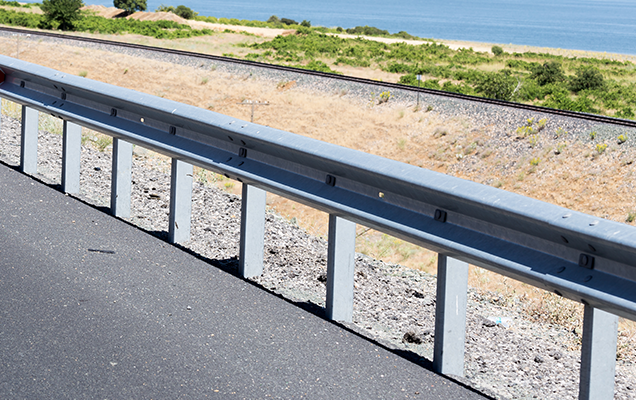
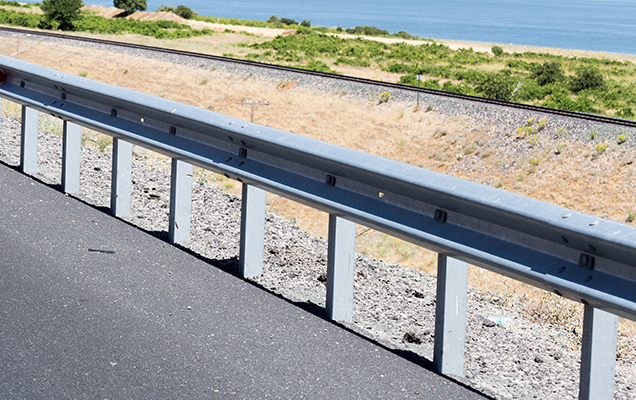
A w metal beam crash barrier is commonly associated with W-shaped steel beam profiles used in designated roadside and median restraint applications. Its suitability depends on the road layout, hazard assessment, required containment performance, available working width, and approved design.
Goodluck India Limited provides metal beam crash barrier options, including W Beam and Thrie Beam systems, for client-specific requirements. Its published road safety information includes specified barrier configurations with containment levels N2, H1, H2, H3, and H4B under EN 1317-2, as well as listed TL2, TL3, and TL4 options under MASH. Working widths from W2 to W6 are listed for specified configurations.
These classifications relate to particular system configurations and should not be assumed to apply to every barrier or terminal. Buyers should verify the exact product model, relevant performance documentation, and compatibility requirements before placing an order.
A complete barrier installation may require compatible posts, spacers, fasteners, transitions, and terminal components. Considering these items together helps ensure that the supplied arrangement matches the project specification and installation instructions.
What to Look for When Comparing Metal Crash Barrier Manufacturers
Selecting among metal crash barrier manufacturers requires an assessment of technical suitability, manufacturing consistency, documentation, and supply capability. The barrier should meet the project's approved specification, while the manufacturer should provide clear information about the product configuration being offered.
Material and dimensional requirements should be checked against the tender documents. Depending on the project, this may include steel specifications, coating requirements, component dimensions, fasteners, identification, and inspection records. Where a performance-tested system is required, the documentation should correspond to the specific configuration rather than a general product category.
Procurement teams should also consider the manufacturer's ability to coordinate deliveries with the construction schedule. Large highway projects may involve several work fronts and staged installations, so accurate quantities, suitable packaging, clear dispatch schedules, and prompt communication can help keep work progressing.
Goodluck India operates across several industrial and infrastructure product areas, including its Road Safety Division. Buyers can review the company's listed barrier products and discuss their technical requirements before determining whether a particular configuration suits the project.
Choosing a W Beam Crash Barriers Supplier
When evaluating a w beam crash barriers supplier, contractors should focus on compatibility between the proposed barrier and the approved design. The beam profile is only one consideration; the complete system configuration and installation conditions are equally important.
The procurement process should establish the required containment level, working width, post arrangement, connection details, protective coating, and terminal treatment. Buyers should also confirm whether transitions are required where the barrier connects to another restraint system or a different roadside structure.
A supplier should be able to clarify the product details and documentation relevant to the proposed configuration. However, the final choice should remain aligned with the project's approved technical requirements and any necessary engineering approvals.
Goodluck India offers W Beam and Thrie Beam metal barrier options as part of its road safety range. Project teams can share their drawings, bill of quantities, site location, and applicable standards to discuss their requirements. Product suitability and supporting documentation should be confirmed before procurement and installation.
Why Terminal Compatibility Matters
A barrier and its terminal should be assessed as a coordinated installation. Choosing a terminal independently of the barrier can create compatibility concerns, especially where the project specifies a particular tested configuration or installation arrangement.
Before ordering, the project team should confirm the intended terminal application, its connection to the barrier, the available installation space, and any required performance documentation. The approach direction and surrounding roadside conditions may also influence the appropriate design.
Goodluck India's listed road safety products include approach end terminals and conventional end terminals. The product type, configuration, and length should be confirmed against the site requirements and approved design. A terminal should not be substituted with a different model solely because it appears similar or is easier to obtain.
Installation teams should follow the applicable instructions and drawings. Any proposed changes to the approved layout should be reviewed by the responsible project engineer before implementation.
Road Furniture and Integrated Roadside Planning
Road furniture encompasses a broad range of features and equipment that support traffic guidance, visibility, and organised road use. Depending on the project, it may include signs, delineators, reflectors, markers, road markings, and other roadside installations.
Although road furniture and crash barriers serve different functions, their placement must be coordinated. Signs, drainage features, lighting equipment, and roadside structures may affect the available space for a barrier or terminal. Similarly, the location of restraint systems must be considered alongside visibility requirements and maintenance access.
For highway developers and civil contractors, reviewing the roadside layout as a whole can help identify conflicts before construction begins. Barrier runs, terminal positions, transitions, and other road furniture should be checked against the approved drawings and relevant safety requirements.
Goodluck India's Road Safety Division offers several products associated with roadside protection, including barriers, end terminals, crash cushions, transitions, and parapets. The final selection of products should be determined by the specific hazards, engineering assessment, and contractual requirements of the project.
Planning Procurement for Large Infrastructure Projects
Large road projects require coordination between design consultants, procurement teams, suppliers, contractors, and site engineers. A clear procurement plan helps ensure that the specified barrier sections and associated terminal components are available when needed.
The first step is to prepare an accurate schedule based on approved drawings and the bill of quantities. This should identify the required barrier type, terminal configuration, associated components, technical requirements, delivery locations, and construction sequence. If a project has multiple sections or installation phases, separate delivery schedules may help align supply with site readiness.
Before dispatch, buyers should verify quantities, component identification, product documentation, and any required inspection records. Any difference between the supplied products and the approved specification should be resolved before installation.
A structured process helps contractors avoid shortages, reduce rework, and maintain better control over project timelines. It also allows technical questions to be addressed before products reach the construction site.
Quality, Installation, and Maintenance Considerations
Product selection is only one part of an effective roadside restraint system. Correct installation is essential to achieving the intended configuration. Site teams should follow the approved drawings, relevant installation instructions, and project specifications, including requirements for alignment, connections, posts, and terminal positioning.
Where a project specifies performance-tested equipment, buyers should confirm that the supplied product matches the documented configuration. Performance classifications should not be transferred automatically from one model or system to another.
After installation, inspections should check conformity with the approved layout and identify visible damage or installation issues. During the road's service life, impacts, corrosion, loose connections, and changes to surrounding conditions may require assessment and maintenance.
Regular inspection and timely repair help road operators manage the condition of roadside safety infrastructure. Any replacement component should be suitable for the existing system and approved according to the relevant maintenance procedures.
Contact Goodluck India for End Terminal and Barrier Enquiries
Infrastructure buyers looking for an end terminal supplier can contact Goodluck India Limited to discuss product availability and project requirements. Sharing the barrier specification, terminal type, approved drawings, quantities, site location, and expected delivery schedule can help clarify the enquiry.
Goodluck India Limited is located at Good Luck House, II F, 166–167, Nehru Nagar 2, Ambedkar Road, Ghaziabad – 201001, Uttar Pradesh, India. For enquiries, call +91-0120-4196600 or 4196700, email goodluck@goodluckindia.com, or visit https://www.goodluckindia.com/.
Its road safety portfolio includes W Beam and Thrie Beam metal barriers, approach and conventional end terminals, crash cushions, transitions, and bridge or vehicle parapets. Buyers should confirm the precise product configuration, documentation, and suitability for their project before finalising procurement.
Frequently Asked Questions
What does an end terminal supplier provide?
An end terminal supplier provides terminal products intended for specified barrier applications. Buyers should confirm the intended use, barrier compatibility, technical documentation, installation requirements, and applicable performance criteria.
What is a W metal beam crash barrier?
A W metal beam crash barrier is a steel beam restraint system used in designated roadside or median applications. Its suitability depends on the approved design, required performance level, site conditions, and complete system configuration.
How should I compare metal crash barrier manufacturers?
Compare product specifications, relevant documentation, manufacturing and delivery capability, component compatibility, and the ability to meet project requirements. Verify all technical claims against the specific configuration being offered.
Why should the terminal and barrier be selected together?
The terminal is part of the overall restraint arrangement. Compatibility with the adjoining barrier, installation layout, and required performance criteria should be checked to ensure the specified system is followed.
What is included in road furniture?
Road furniture may include signs, delineators, reflectors, markers, road markings, and other features that support traffic guidance and road use. Its placement should be coordinated with barrier installations and other roadside infrastructure.
Conclusion
Highway protection depends on careful selection and coordination of barrier systems, terminals, and other roadside elements. Reviewing technical specifications, system compatibility, documentation, and installation conditions helps infrastructure teams make informed procurement decisions. Goodluck India provides a range of road safety products for project teams to consider when evaluating W metal beam crash barriers and related terminal requirements. The final selection should always align with the approved design and the standards applicable to the project.
Source:
Click for the: Full Story
You might like




You Might Like this