



 Close Menu
 World
World
 Biography
 Health
 Education
 Business
 Lifestyle
 Sports
 Technology
 Animals
 History
 Food
Food
 Religious
 Startups
 Movies
 Politics
 Fashion
 Covid
Covid
 Diet
Diet
 Fitness
 Marketing
 Travel
 Science
 Reviews
 Social media
 Stories
 Facts
Facts
 Art
Art
 Entertainment
Amar Nath

Health
Head & Neck Pain? Early Evaluation Can Help
 Amar Nath
Head and neck pain are common complaints, but persistent or recurring discomfort should not always be dismissed as stress, fatigue, or poor posture. Headaches accompanied by neck pain may sometimes be related to muscle tension, cervical spine problems, nerve irritation, migraines, or other neurological conditions. Identifying the underlying cause early can help prevent symptoms from becoming more difficult to manage.
At the Neurology and Pain Management Clinic (NPMC), Dr Gautam Arora, an experienced neurologist and pain management specialist in Delhi, provides comprehensive evaluation and personalised treatment for patients with head and neck pain.
Understanding the Connection Between Head and Neck Pain
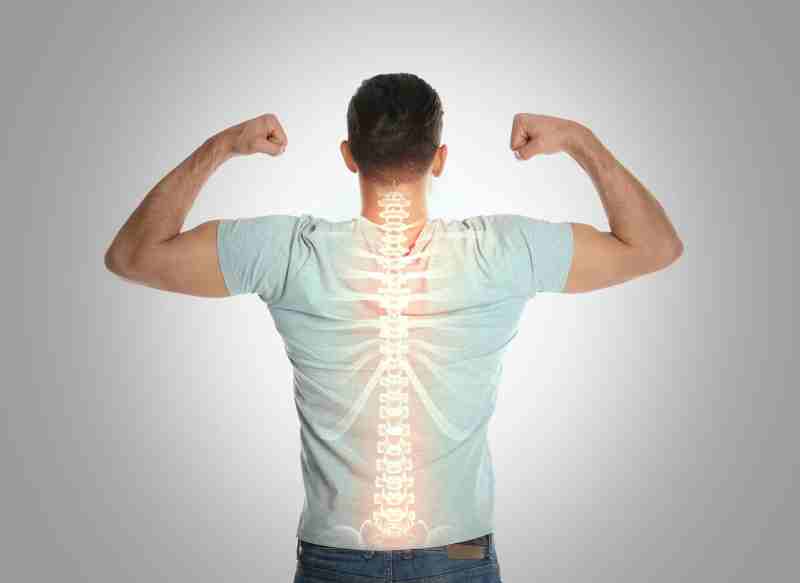
The nerves, muscles, joints, and structures of the neck are closely connected with pathways involved in headache and facial pain. Problems in the cervical spine or surrounding muscles can sometimes trigger pain that travels toward the back of the head, forehead, temples, or behind the eyes.
Common causes may include:
- Cervical spondylosis
- Poor posture
- Muscle strain or tension
- Migraine
- Cervicogenic headache
- Nerve irritation or compression
- Previous neck injury
- Prolonged screen or desk work
Understanding the source of pain is important because different causes require different treatment approaches.
Symptoms You Shouldn't Ignore
Occasional mild pain may improve with rest and simple lifestyle changes. However, medical evaluation is advisable when pain is persistent, recurrent, or interfering with daily life.
Watch for symptoms such as:
- Frequent headaches with neck stiffness
- Pain spreading from the neck toward the head or shoulders
- Tingling or numbness in the arms
- Reduced neck movement
- Dizziness or balance difficulties
- Pain that interferes with sleep
- Headaches that are becoming more frequent or severe
Sudden, severe headache accompanied by weakness, confusion, difficulty speaking, vision changes, or loss of consciousness requires urgent medical attention.
How Is Head and Neck Pain Evaluated?
At NPMC, Dr. Gautam Arora begins with a detailed discussion of the patient's symptoms, medical history, and possible triggers. A neurological and physical examination can help determine whether the pain is related to the nerves, muscles, joints, migraine, or cervical spine.
Depending on the findings, investigations such as MRI, X-rays, or other neurological tests may be recommended when appropriate.
Treatment Depends on the Cause
There is no single treatment for every type of head and neck pain. Management may include:
Medication
Appropriate medicines may help control headaches, inflammation, muscle-related pain, or nerve pain.
Physiotherapy
Targeted exercises can improve neck strength, flexibility, posture, and mobility.
Lifestyle Changes
Taking regular breaks from screens, maintaining proper posture, getting adequate sleep, staying hydrated, and managing stress can help reduce recurring symptoms.
Advanced Pain Management
For selected patients with persistent pain, minimally invasive procedures such as nerve blocks, trigger-point injections, or other targeted pain management techniques may be considered.
Why Early Evaluation Matters
Ignoring recurring head and neck pain can allow the underlying problem to persist and may affect sleep, concentration, work, and quality of life. Early assessment helps identify the cause and allows treatment to begin before symptoms become more disruptive.
Expert Care at NPMC
At the Neurology and Pain Management Clinic (NPMC), Dr. Gautam Arora combines neurological expertise with modern pain management approaches to provide individualized care. The goal is to identify the source of pain, reduce symptoms, improve movement, and help patients return to their normal activities.
Conclusion
Head and neck pain may have many causes, and persistent symptoms deserve proper attention. Early evaluation can make it easier to identify the underlying problem and choose an appropriate treatment plan.
If recurring headaches, neck pain, stiffness, or nerve-related symptoms are affecting your daily life, consult Dr. Gautam Arora at the Neurology and Pain Management Clinic (NPMC), Delhi. Expert evaluation and personalized care can help you take the right step toward lasting relief.
Source:
Click for the: Full Story
You might like









You Might Like this