



 Close Menu
 World
World
 Biography
 Health
 Education
 Business
 Lifestyle
 Sports
 Technology
 Animals
 History
 Food
Food
 Religious
 Startups
 Movies
 Politics
 Fashion
 Covid
Covid
 Diet
Diet
 Fitness
 Marketing
 Travel
 Science
 Reviews
 Social media
 Stories
 Facts
Facts
 Art
Art
 Entertainment
Ayurved Sutram

Health
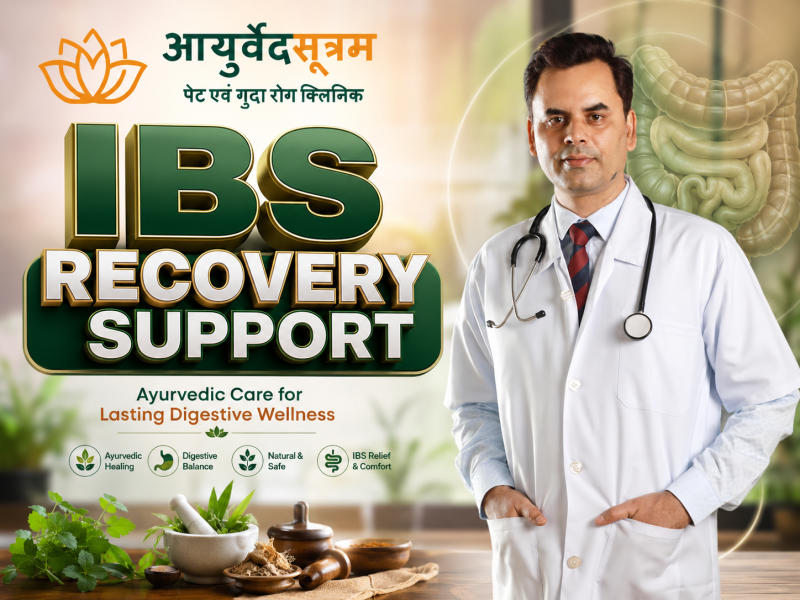
How to Manage IBS Symptoms in Daily Life
 Ayurved Sutram
Living with irritable bowel syndrome (IBS) can be frustrating because symptoms may change from one day to the next. Bloating, abdominal discomfort, gas, constipation, diarrhoea, or sudden changes in bowel habits can interfere with work, travel, meals, and social plans. For people dealing with recurring symptoms, IBS treatment in Delhi NCR may involve more than simply taking something when discomfort appears. Understanding your triggers and making practical changes to your daily routine can play an important role in managing symptoms.
Understand What Triggers Your Symptoms
IBS does not affect everyone in the same way. A food that causes discomfort for one person may not bother another. Stress, irregular meals, poor sleep, certain foods, and changes in routine can also contribute to symptoms.
Start by paying attention to what happens before your symptoms appear. Keeping a simple food and symptom diary can help you notice patterns. Record what you eat, when you eat, how you sleep, your stress levels, and any digestive changes you experience.
You do not need to eliminate large numbers of foods immediately. Instead, look for consistent patterns and discuss them with a healthcare professional before making major dietary changes.
Keep Your Meals Simple and Regular
Skipping meals and then eating a large portion can make digestive discomfort harder to manage. Try to maintain reasonably consistent meal times and eat slowly rather than rushing through food.
Some people with IBS notice more symptoms after very spicy, oily, fatty, or highly processed foods. Large amounts of caffeine, fizzy drinks, or alcohol may also cause problems for certain individuals.
Rather than following a restrictive diet based on advice from social media, focus on balanced meals and identify your personal triggers. If particular foods repeatedly cause symptoms, a qualified professional can help you decide whether changes to your diet are appropriate.
Stay Hydrated Throughout the Day
Water is easy to overlook, especially during a busy working day. Adequate fluid intake supports normal digestion and is particularly useful when constipation is part of your IBS symptoms.
Keep water nearby and take regular sips throughout the day. If you increase your fibre intake, maintaining adequate hydration becomes even more important.
Try not to rely heavily on sugary drinks or excessive caffeine for hydration. Your individual fluid needs can vary depending on factors such as weather, activity level, age, and overall health.
Pay Attention to Your Bowel Habits
IBS can involve constipation, diarrhoea, or a combination of both. Your bowel routine can provide useful information about what is happening with your digestion.
Avoid repeatedly delaying the urge to use the toilet. At the same time, avoid sitting on the toilet for long periods or straining unnecessarily.
If constipation is a regular problem, gradually increasing fibre may help some people. However, adding too much fibre too quickly can increase gas and bloating. Soluble fibre from foods such as oats, certain fruits, and vegetables may be easier for some people to tolerate.
If your bowel habits have changed suddenly or symptoms are persistent, speak with a healthcare professional. A Best IBS doctor in Delhi NCR can assess your symptoms and help determine whether IBS is the likely cause or whether further evaluation is needed.
Manage Stress Before It Builds Up
Your digestive system and nervous system are closely connected. Stress does not mean that IBS symptoms are imaginary; rather, emotional stress can affect how the gut functions and how strongly you experience discomfort.
You do not need an elaborate routine to manage everyday stress. A short walk, regular breathing exercises, meditation, stretching, or simply taking a few quiet minutes between tasks may help.
Find something that you can actually maintain. A five-minute habit that you follow every day is more useful than an hour-long routine that you abandon after a week.
Make Movement Part of Your Routine
Regular physical activity can support digestion and overall wellbeing. You do not necessarily need intense workouts. Walking, cycling, swimming, yoga, or other moderate activities can be suitable options for many people.
If you spend most of your day sitting, try getting up at regular intervals. A short walk after meals may also be easier to maintain than trying to fit one long exercise session into a busy schedule.
Start gradually if you have not exercised for some time, particularly if you have other health conditions.
Sleep Matters More Than You May Think
Poor sleep can make it harder to cope with digestive symptoms and everyday stress. Try to maintain a consistent sleep and wake schedule where possible.
Avoid heavy meals close to bedtime and reduce unnecessary screen time before sleeping. A comfortable, quiet sleeping environment can also make it easier to establish a regular routine.
If you regularly wake because of abdominal pain, diarrhoea, or other digestive symptoms, do not simply assume that it is part of your normal IBS pattern. Discuss persistent or worsening symptoms with a healthcare professional.
When Should You Seek Medical Advice?
Not every episode of abdominal discomfort is IBS. Symptoms such as unexplained weight loss, blood in the stool, persistent vomiting, fever, severe abdominal pain, anaemia, or a significant change in bowel habits deserve medical attention.
Even when symptoms seem mild, recurring digestive problems can affect your quality of life. Getting a proper assessment can help rule out other conditions and give you a clearer understanding of what may be causing your symptoms.
Take a Practical Approach to IBS Management
Managing IBS is often about finding a routine that works for your body rather than searching for one quick fix. Regular meals, suitable food choices, adequate hydration, physical activity, stress management, and good sleep can all support better digestive health. If symptoms continue to affect your daily life, consulting an IBS doctor in Delhi NCR can help you discuss your symptoms and appropriate care options.
Source:
Click for the: Full Story
You might like









You Might Like this