



 Close Menu
 World
World
 Biography
 Health
 Education
 Business
 Lifestyle
 Sports
 Technology
 Animals
 History
 Food
Food
 Religious
 Startups
 Movies
 Politics
 Fashion
 Covid
Covid
 Diet
Diet
 Fitness
 Marketing
 Travel
 Science
 Reviews
 Social media
 Stories
 Facts
Facts
 Art
Art
 Entertainment
samiksha

Business
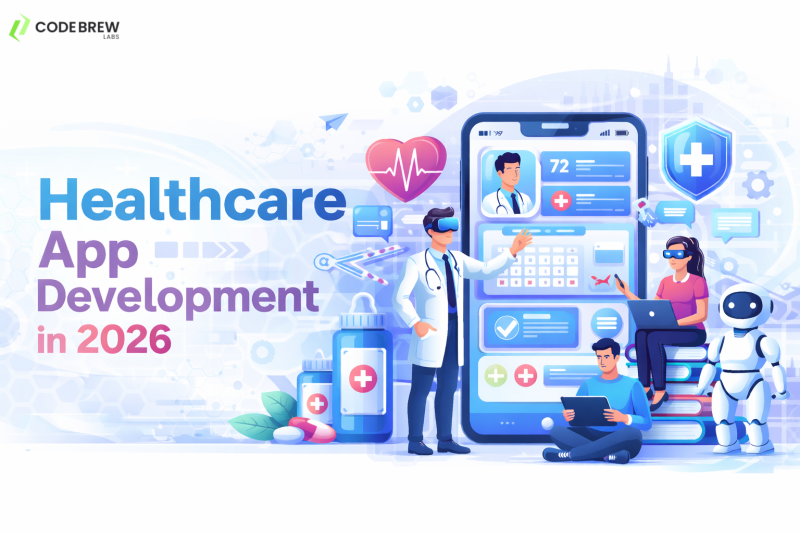
Healthcare App Development in 2026: Trends That Are Reshaping Digital Health
 samiksha
The healthcare industry is experiencing a profound digital transformation, and at the heart of this shift lies healthcare app development. In 2026, healthcare apps are no longer limited to basic appointment booking or fitness tracking—they are intelligent, data-driven platforms that are redefining how care is delivered, managed, and experienced.
From AI-powered diagnostics to real-time patient monitoring, the landscape of digital health is evolving rapidly. For businesses, startups, and healthcare providers, understanding these emerging trends is essential to staying competitive and delivering value-driven solutions.
In this blog, we explore the key trends reshaping healthcare app development in 2026 and how they are transforming the future of digital health.
The Evolution of Healthcare App Development
Over the past decade, healthcare apps have transitioned from simple tools to comprehensive digital ecosystems. Today’s apps integrate advanced technologies, provide personalized experiences, and enable seamless communication between patients and providers.
Key drivers behind this evolution include:
- Rising demand for remote healthcare services
- Increasing adoption of smartphones and wearables
- Advancements in AI and data analytics
- Growing focus on patient-centric care
As a result, healthcare apps have become indispensable in modern medical services.
Top Healthcare App Development Trends in 2026
1. AI-Powered Healthcare Apps
Artificial Intelligence (AI) is revolutionizing healthcare app development by enabling smarter, faster, and more accurate solutions.
Key applications include:
- AI-driven symptom checkers
- Predictive analytics for early disease detection
- Virtual health assistants and chatbots
- Personalized treatment recommendations
AI enhances decision-making for healthcare providers while improving patient outcomes through data-driven insights.
2. Rise of Telemedicine and Virtual Care
Telemedicine continues to dominate the healthcare landscape in 2026. Patients increasingly prefer virtual consultations for convenience and accessibility.
Healthcare apps now offer:
- Video consultations with doctors
- Real-time chat support
- E-prescriptions
- Remote diagnosis
This trend reduces hospital visits, saves time, and expands access to healthcare services, especially in remote areas.
3. Integration with Wearable Devices
Wearable technology has become a game-changer in healthcare. Apps now integrate seamlessly with devices such as smartwatches and fitness trackers.
Benefits include:
- Continuous monitoring of vital signs
- Real-time health data collection
- Early detection of abnormalities
This integration empowers users to take proactive control of their health while providing valuable data to healthcare professionals.
4. Personalized Healthcare Experiences
Personalization is a major trend shaping healthcare apps in 2026. By leveraging user data, apps can deliver tailored experiences such as:
- Customized fitness and diet plans
- Medication reminders based on individual needs
- Personalized health insights
This approach improves engagement and ensures better health outcomes.
5. Blockchain for Data Security
Data security remains a top priority in healthcare. Blockchain technology is gaining traction for its ability to provide secure and transparent data management.
Key advantages:
- Tamper-proof medical records
- Secure data sharing
- Enhanced patient privacy
Blockchain ensures that sensitive healthcare data is protected while maintaining accessibility for authorized users.
6. Internet of Medical Things (IoMT)
The Internet of Medical Things (IoMT) connects medical devices and applications to create a cohesive healthcare ecosystem.
Healthcare apps leveraging IoMT enable:
- Remote patient monitoring
- Smart medical devices integration
- Real-time alerts for critical conditions
This trend is particularly beneficial for managing chronic diseases and improving patient care.
7. Cloud-Based Healthcare Solutions
Cloud technology is playing a crucial role in healthcare app development by enabling scalable and flexible solutions.
Benefits include:
- Easy data storage and access
- Improved collaboration among healthcare providers
- Cost-effective infrastructure
Cloud-based apps ensure seamless performance and scalability as user demand grows.
8. Voice Technology and Virtual Assistants
Voice-enabled healthcare apps are gaining popularity in 2026. Virtual assistants help users perform tasks such as:
- Scheduling appointments
- Setting medication reminders
- Accessing health information
This technology enhances accessibility, especially for elderly and differently-abled users.
9. Augmented Reality (AR) and Virtual Reality (VR)
AR and VR are transforming healthcare by providing immersive experiences for both patients and professionals.
Use cases include:
- Medical training and simulations
- Patient education
- Pain management and therapy
These technologies are enhancing the quality of care and improving medical outcomes.
10. Focus on Mental Health Apps
Mental health awareness has increased significantly, leading to a surge in mental health apps. These apps offer:
- Online therapy sessions
- Meditation and mindfulness tools
- Mood tracking
They provide accessible and affordable mental health support to users worldwide.
11. Enhanced Data Analytics and Predictive Healthcare
Healthcare apps are increasingly using advanced analytics to predict health risks and improve decision-making.
Capabilities include:
- Identifying disease patterns
- Predicting patient outcomes
- Optimizing treatment plans
Predictive analytics enables proactive healthcare, reducing the risk of severe conditions.
12. Interoperability and System Integration
Modern healthcare apps are designed to integrate with multiple systems, ensuring seamless data exchange.
This includes:
- Electronic Health Records (EHR)
- Hospital management systems
- Insurance platforms
Interoperability improves efficiency and ensures better coordination among healthcare providers.
Challenges in Healthcare App Development
Despite the advancements, healthcare app development comes with challenges:
1. Regulatory Compliance
Developers must adhere to strict healthcare regulations.
2. Data Security Concerns
Protecting sensitive patient data is critical.
3. Integration Complexity
Connecting with legacy systems can be challenging.
4. User Adoption
Encouraging users to adopt new technologies requires effective strategies.
Overcoming these challenges requires expertise, planning, and the right development approach.
Why Businesses Should Invest in Healthcare App Development in 2026
Investing in healthcare app development offers significant opportunities for businesses:
- Expanding market reach
- Improving patient engagement
- Enhancing operational efficiency
- Generating new revenue streams
With the growing demand for digital health solutions, businesses that invest now will gain a competitive advantage.
Why Choose Code Brew Labs for Healthcare App Development
Code Brew Labs is a trusted healthcare app development company delivering innovative, scalable, and secure solutions tailored to modern healthcare needs.
What Makes Code Brew Labs Stand Out:
- Expertise in AI-powered healthcare apps
- Custom and scalable development solutions
- Strong focus on security and compliance
- End-to-end development services
- Proven track record across industries
Whether you’re building a telemedicine platform, wellness app, or healthcare management system, Code Brew Labs ensures a seamless development experience.
Conclusion
Healthcare app development in 2026 is driven by innovation, technology, and a strong focus on patient-centric care. Trends such as AI, telemedicine, IoMT, and blockchain are reshaping the digital health landscape, making healthcare more accessible, efficient, and personalized.
As the industry continues to evolve, healthcare apps will remain at the forefront of this transformation. Businesses that embrace these trends and partner with Code Brew Labs to invest in the right solutions will be well-positioned to lead the future of digital health.
Source:
Click for the: Full Story
You might like










You Might Like this