


 Close Menu
 World
 Biography
 Health
 Education
 Business
 Lifestyle
 Sports
 Technology
 Animals
 History
 Food
 Religious
 Startups
 Movies
 Politics
 Fashion
 Covid
 Diet
 Fitness
 Marketing
 Travel
 Science
 Reviews
 Social media
 Stories
 Facts
 Art
 Entertainment
Sleep and beyond

Business
How a zippered mattress protector Supports Cleaner Sleep without Changing Comfort
 Sleep and beyond
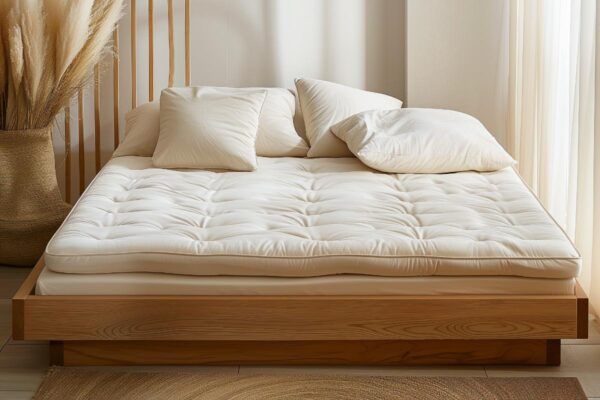
There is no need for harsh, noisy layers when something is fresh and cared for. A zippered mattress protector can encase the surface and make the bed feel like its old self. This style can wrap around more than a simple fitted cover can, helping contain spills, dust, pet hair, and everyday markings. Its breathable design or soft cotton fabric can also make it a little less noticeable in everyday use. That balance is important for busy homes, guest rooms, and family bedrooms. We're talking full coverage and how it'll protect your bedding and provide a comfortable, easy night's sleep.
Full Coverage Adds Practical Protection
Protection works better when it reaches more than the upper surface. A zippered mattress encasement can cover the top, bottom, and sides, creating a more complete barrier around the bed. Current organic cotton designs may use six-sided coverage to guard against leaks, stains, dust mites, and bed bugs while still allowing practical daily use. This type of construction can be especially useful in guest rooms, children's spaces, or homes with pets. Instead of worrying about every small accident, the outer layer handles much of the everyday exposure before it reaches deeper material.
Soft Materials Keep the Feel Familiar
Protective bedding should not make the surface feel plastic or stiff. Organic cotton jersey can help because it has a softer texture and enough flexibility to move naturally with the bed. Some designs pair two cotton layers with non-toxic TPU, giving waterproof support without the sharp feel found in older covers. The result should stay quiet when someone turns during the night. A crinkle-free layer is especially useful for light sleepers who notice small sounds. Good protection works best when it fades into the background instead of constantly reminding you that it is there.
Waterproofing Helps With Everyday Accidents
Spilled water, a child's nighttime accident, or a wet pet can quickly leave marks if liquid reaches deeper layers. A Waterproof Mattress Cover with Zipper gives extra time to deal with these situations before moisture spreads. The waterproof barrier in current organic cotton encasement designs is made with bio-based TPU and is intended to remain breathable while blocking liquids. That combination matters because protection alone is not enough. The layer should also avoid trapping excess heat. When moisture control and airflow work together, the bed can be easier to maintain without feeling overly sealed.
Small Features Make Daily Use Easier
A protective layer can be effective, but fit and maintenance decide whether people enjoy using it. Before choosing zippered mattress encasement for beds, check the practical details that affect daily handling:
- Look for full six-sided coverage.
- Check the available depth options.
- Choose a quiet, flexible fabric surface.
- Review the zipper opening and placement.
- Confirm gentle wash and low-heat drying.
Current designs may offer multiple depths, broad zipper openings, invisible teeth, and organic cotton cord pulls for easier installation. These details may sound small, but they can make regular care much less frustrating.
Proper Care Protects the Barrier
The Best waterproof mattress protection only works well when the waterproof layer is treated properly. Warm-water washing with gentle detergent and low-heat drying can help maintain performance. High heat, ironing, or harsh care may damage the TPU lining, which reduces its ability to block liquids. It also helps to wash the encasement separately and leave it fully unzipped during cleaning and drying. These steps are simple, but they matter over time. A little care can help the fabric stay flexible, the closure work smoothly, and the protective barrier remain dependable.
Conclusion
Full coverage can make everyday bedding care feel far easier. A well-made encasement helps guard against liquids, dust, pet hair, and daily wear while keeping the surface soft and quiet. Breathable cotton, careful waterproofing, and secure construction allow protection to work in the background. The result is a bed that stays easier to maintain without losing the familiar feel people expect each night.
For homes looking for thoughtful natural protection, Sleep & Beyond offers an organic cotton encasement built around six-sided coverage, soft jersey fabric, breathable waterproofing, and practical care. Its design suits people who want stronger protection without making the bedroom feel overly technical. It is a sensible choice for keeping an important household investment fresher, protected, and easier to care for over time.
Frequently Asked Questions
Question: How often should a protective bedding layer is washed?
Answer: Regular household use may only require washing every few weeks, though spills, pets, or children's accidents can mean earlier cleaning. Always follow the care label, use gentle detergent, and dry the fabric completely. Proper drying helps preserve the waterproof barrier and keeps the material fresh for future use.
Question: Why does depth matter when choosing full coverage bedding?
Answer: Different beds have different heights, especially when toppers or thicker foundations are used. Choosing the correct depth helps the fabric fit smoothly instead of pulling too tightly or hanging loose. A proper fit also makes installation easier and helps the outer layer stay secure during regular movement.
Question: Can waterproof bedding still feel breathable?
Answer: Yes, when the design combines breathable fabric with a thin, flexible waterproof barrier. Soft cotton jersey and carefully made TPU can help block liquid while allowing the surface to feel less sealed. The exact result depends on fabric quality, construction, room temperature, and personal preference.
Source:
Click for the: Full Story
You might like









You Might Like this