


 Close Menu
 World
 Biography
 Health
 Education
 Business
 Lifestyle
 Sports
 Technology
 Animals
 History
 Food
 Religious
 Startups
 Movies
 Politics
 Fashion
 Covid
 Diet
 Fitness
 Marketing
 Travel
 Science
 Reviews
 Social media
 Stories
 Facts
 Art
 Entertainment
kk microns
Business
How can Soap Stone Powder Manufacturers support different industries?
 kk microns
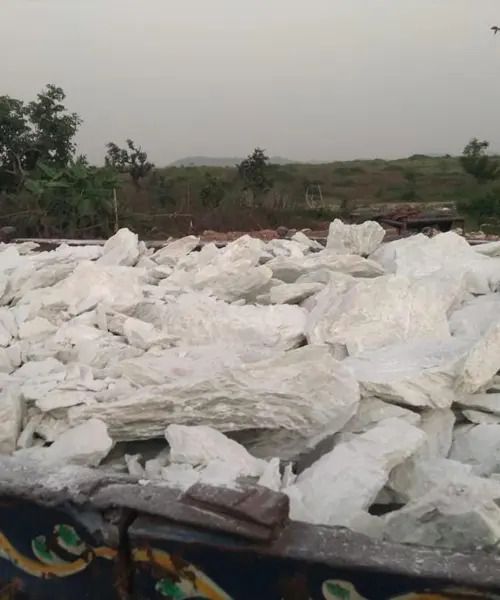
Soap stone powder is a useful industrial mineral that supports many manufacturing processes. Soap Stone Powder Manufacturers help different industries by providing suitable quality, purity, particle size, and consistency according to their production needs. K. K. Microns, www.kkmicrons.com provides quality industrial mineral solutions for industries such as ceramics, paints, plastics, rubber, paper, glass, and construction. Choosing the right mineral manufacturer can help businesses maintain smooth production and achieve consistent results.
Key Takeaways
- Soap stone powder supports several industrial sectors.
- Quality, purity, and particle size are important for consistent production.
- Different industries may require different mineral specifications.
- Reliable manufacturers can support regular and bulk requirements.
- Proper processing and quality control help maintain product consistency.
Technical Explanation
Soap stone powder is valued for properties such as softness, smooth texture, heat resistance, and chemical stability. Its performance can vary depending on purity, fineness, particle size, and processing quality. This makes it important for businesses to select material according to their specific production requirements.
For example, ceramics may require suitable mineral characteristics for smooth processing, while paint and plastic manufacturers may focus more on fineness and consistent dispersion. Kaolin Manufacturers also provide mineral materials with specific characteristics for ceramics, paper, paints, plastics, and other industries. Understanding the differences between mineral specifications helps businesses select the right material for their production processes.
Step-by-Step Guide
1. Understand your requirement
First, businesses should identify how soap stone powder will be used. The required quality can change according to the product, manufacturing process, and formulation. Clear requirements make product selection easier.
2. Discuss specifications
Businesses should discuss purity, fineness, particle size, moisture, packaging, and other relevant specifications with the manufacturer. This helps ensure that the material is suitable for the intended production process.
3. Check processing quality
Proper grinding, screening, grading, and quality checks can help maintain consistent mineral properties. Experienced Soap Stone Powder Manufacturers generally focus on these factors to provide material suitable for regular industrial requirements.
4. Test the material when required
For new suppliers or large orders, businesses can evaluate a sample before placing a regular order. Testing helps confirm whether the powder performs well in the actual production process.
5. Plan regular and bulk requirements
Businesses with continuous production should discuss expected quantities and delivery schedules in advance. Proper planning can help reduce delays and maintain a steady supply of raw materials.
6. Consider other mineral requirements
Many industries use more than one industrial mineral. For example, Barytes Manufacturers provide barytes for sectors such as paints, chemicals, construction, and oil and gas. Selecting experienced manufacturers for different mineral requirements can simplify sourcing and improve supply planning.
Supporting Different Industrial Requirements
Soap stone powder can support different industries when its quality and specifications match the intended use. Manufacturers need to understand these requirements because one specification may not be suitable for every production process.
Industries may also require silica-based minerals for glass, ceramics, construction, and other products. Quartz Silica Manufacturers provide suitable quartz and silica materials according to different industrial requirements. This shows why businesses should consider the specific properties of each mineral rather than selecting materials only by price.
Similarly, clay-based minerals are important for several manufacturing processes. China Clay Manufacturers supply china clay for industries such as ceramics, paper, paints, and other suitable applications. When businesses understand their raw material requirements clearly, they can select better mineral specifications and maintain more consistent production.
Conclusion
Soap stone powder can provide useful mineral properties for many industrial processes when it is properly processed and supplied according to specific requirements. Reliable manufacturers focus on purity, particle size, consistency, packaging, and timely supply to support their customers.
Choosing experienced Soap Stone Powder Manufacturers can help businesses manage regular requirements, bulk orders, and quality expectations more effectively. K. K. Microns focuses on providing dependable industrial mineral solutions for different industries and their changing requirements. A clear discussion about specifications, testing, packaging, and delivery can help businesses build a reliable long-term supply relationship.
FAQ Section
1. Which industries can use soap stone powder?
Soap stone powder can be used in ceramics, paints, plastics, rubber, paper, construction, and other suitable industrial products. The exact specification depends on the manufacturing process.
2. What should businesses check before buying soap stone powder?
Businesses should check purity, fineness, particle size, consistency, moisture, packaging, and suitability for their particular production requirements.
3. Can soap stone powder be purchased in bulk?
Yes, businesses can discuss bulk requirements with experienced manufacturers. Production capacity, quantity, packaging, and delivery schedules should be confirmed before placing large orders.
4. Why is consistent mineral quality important?
Consistent mineral quality helps businesses maintain stable production and predictable product performance. Variations in purity or particle size may affect some manufacturing processes.
5. How can businesses select the right mineral manufacturer?
Businesses should consider manufacturing experience, processing methods, quality checks, product consistency, packaging, production capacity, and delivery reliability. It is also useful to discuss technical requirements before placing regular orders.
Source:
Click for the: Full Story
You might like








You Might Like this