


 Close Menu
 World
 Biography
 Health
 Education
 Business
 Lifestyle
 Sports
 Technology
 Animals
 History
 Food
 Religious
 Startups
 Movies
 Politics
 Fashion
 Covid
 Diet
 Fitness
 Marketing
 Travel
 Science
 Reviews
 Social media
 Stories
 Facts
 Art
 Entertainment
Axiom Viscom India

Business
How Custom Retail Display Solutions Improve Product Visibility and Store Performance
 Axiom Viscom India
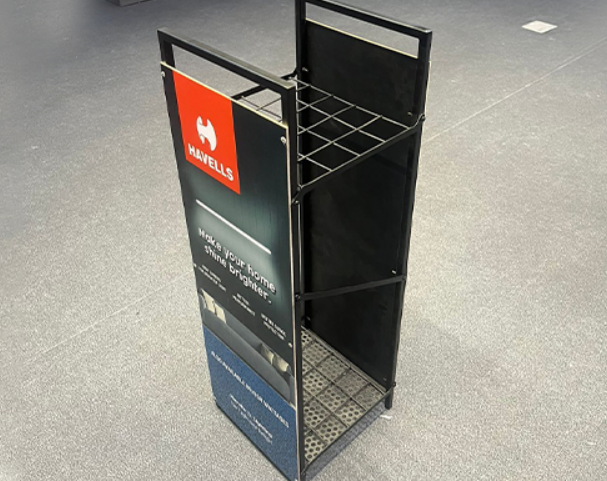
A successful retail store is not just about the products it sells but also about how those products are presented. In a competitive marketplace, customers are naturally drawn towards organised, attractive and easy-to-explore merchandise. Well-planned product display stands help retailers create appealing product arrangements, highlight important collections and make better use of available store space. Whether a business operates a small boutique, a large showroom or a multi-brand retail outlet, the right display strategy can influence customer engagement and purchasing behaviour.
Modern retail spaces require display solutions that combine creativity, durability and functionality. From customised shelving units to branded promotional fixtures, every display element should serve a clear purpose while supporting the store's visual identity.
Product Display Stands: Turning Ordinary Store Spaces into Selling Opportunities
Product presentation plays an important role in how customers interact with merchandise. A cluttered arrangement can make even premium products difficult to notice, whereas a well-designed display creates a more organised and inviting environment.
Retailers can use customised display fixtures to highlight specific product categories, introduce new collections and promote seasonal merchandise. The positioning, height, material and overall design of a display should complement the products being showcased.
For example, an electronics showroom may require sturdy display units with dedicated spaces for product demonstrations, while a cosmetics outlet may benefit from compact acrylic displays that allow customers to view different product shades easily.
The most effective retail displays focus on three important aspects: product accessibility, visual appeal and efficient space utilisation.
How Different Display Solutions Support Retail Merchandising
Not every product requires the same type of presentation. Selecting display fixtures according to merchandise characteristics helps retailers maintain an attractive and functional store layout.
Customised Displays for Brand Promotion
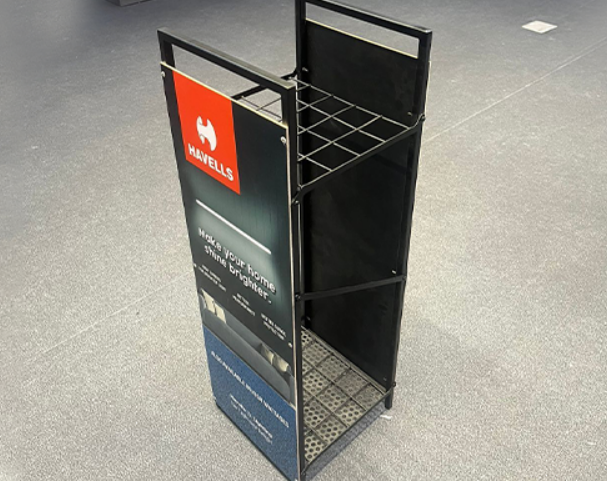
Customised displays allow businesses to incorporate their brand colours, logos, graphics and product information into the store environment. These fixtures are particularly useful for product launches, promotional campaigns and in-store branding.
A thoughtfully designed promotional unit can create a dedicated space for a particular product range without disrupting the overall store layout.
Modular Displays for Flexible Product Arrangements
Retail businesses frequently update their inventory and promotional collections. Modular display systems provide flexibility by allowing shelves, racks and product holders to be rearranged according to changing requirements.
This approach is useful for supermarkets, lifestyle stores and multi-category showrooms where product placement changes regularly.
Specialised Displays for Premium Merchandise
Certain products require dedicated fixtures to present their design and features effectively. For example, premium eyewear collections benefit from organised sunglasses display racks that allow customers to view multiple frame styles without overcrowding the display area.
Similarly, jewellery, watches, mobile accessories and cosmetics often require specialised display structures designed around product dimensions and customer interaction.
Front Counter Design for Shop: Making Every Customer Interaction Count
The front counter is more than a place where customers make payments. It is an important part of the retail experience and often the final interaction point before shoppers leave the store.
An effective Front counter design for shop should provide convenience for employees while maintaining a professional appearance for customers. The design should accommodate billing systems, payment terminals, storage requirements and frequently accessed items.
Retailers should consider the following elements when planning a front counter:
- Functional workspace: Provide sufficient room for billing equipment and daily activities.
- Organised storage: Include drawers and concealed compartments to reduce visible clutter.
- Customer-facing displays: Incorporate small product sections for accessories and promotional merchandise.
- Brand integration: Use suitable colours, finishes and signage to strengthen brand recognition.
- Durable construction: Select materials that can withstand regular use and frequent cleaning.
For example, a fashion accessories store can use an integrated counter display to showcase wallets, belts or small accessories near the checkout area. This creates additional merchandising opportunities without requiring separate floor space.
What to Look for in Display Stand Manufacturers Mumbai
The quality of a retail display depends significantly on its design and manufacturing. Choosing experienced Display Stand Manufacturers Mumbai can help businesses develop fixtures that meet their specific merchandising and operational needs.
Rather than selecting a manufacturer based only on price, retailers should evaluate the complete manufacturing process.
Design understanding: The manufacturer should understand the products being displayed, the available installation space and the intended customer experience.
Material selection: Different materials offer different advantages. Metal provides structural strength, acrylic supports clean and modern designs, while wood can create a warm and premium appearance.
Precision manufacturing: Accurate dimensions, proper finishing and stable construction are important for ensuring that display units perform reliably.
Customisation options: Businesses should look for manufacturers capable of producing different sizes, shapes, colours and configurations.
Project execution: Timely production, proper packaging and installation planning are important, particularly for retailers managing multiple outlets.
A collaborative design process also helps businesses identify potential improvements before manufacturing begins.
Designing Retail Displays for Different Business Environments
The ideal display arrangement depends on the nature of the retail business and the behaviour of its customers.
In supermarkets, display fixtures should support easy product identification and convenient movement through aisles. In fashion stores, attractive presentation and accessibility are important for showcasing seasonal collections.
Electronics retailers may require secure display units with integrated electrical connections, while eyewear showrooms benefit from specialised racks that keep frames organised and accessible.
Small retail outlets can also achieve effective merchandising through vertical shelving, wall-mounted fixtures and multifunctional counters.
The objective is to create a layout where customers can explore merchandise comfortably without unnecessary obstacles.
Emerging Trends Shaping Modern Retail Display Design
Retail display requirements are changing as businesses focus more on customer experience, brand differentiation and operational flexibility.
Some important developments include:
- Minimalist aesthetics: Simple structures and uncluttered layouts allow merchandise to attract attention.
- LED illumination: Integrated lighting highlights product details and improves presentation.
- Sustainable materials: Reusable and recyclable materials are becoming important considerations in retail fixture planning.
- Smart merchandising: Digital screens and interactive elements provide additional opportunities for product communication.
- Space-efficient designs: Compact and multifunctional fixtures help retailers maximise limited floor areas.
Businesses that regularly review their display arrangements can keep their stores visually fresh and aligned with changing customer expectations.
Common Retail Display Planning Mistakes Businesses Should Avoid
Even a professionally manufactured display can underperform when its placement or design is not properly considered.
One common mistake is overcrowding merchandise. Too many products on a single fixture can make individual items difficult to notice. Another issue is selecting materials without considering product weight, handling frequency and maintenance requirements.
Retailers should also avoid blocking walkways, placing displays in inconvenient locations or ignoring the relationship between different store sections.
Before approving a design, it is useful to review measurements, product dimensions, customer movement and installation requirements. This reduces the possibility of costly modifications after manufacturing.
Conclusion: Build a Stronger Retail Experience with Better Display Planning
Retail success depends on creating an environment where products are easy to discover, explore and purchase. Carefully planned product display stands, functional counters and customised merchandising fixtures help businesses improve store organisation while creating a consistent brand experience.
Axiom Viscom understands the importance of combining practical functionality with attractive retail presentation. From specialised product fixtures to customised store display solutions, selecting the right manufacturing partner can help businesses create retail spaces that support their long-term merchandising goals.
A well-designed display is not simply a piece of store furniture; it is an important part of how customers experience and remember a brand.
Source:
Click for the: Full Story
You might like







You Might Like this