


 Close Menu
 World
 Biography
 Health
 Education
 Business
 Lifestyle
 Sports
 Technology
 Animals
 History
 Food
 Religious
 Startups
 Movies
 Politics
 Fashion
 Covid
 Diet
 Fitness
 Marketing
 Travel
 Science
 Reviews
 Social media
 Stories
 Facts
 Art
 Entertainment
samiksha

Business
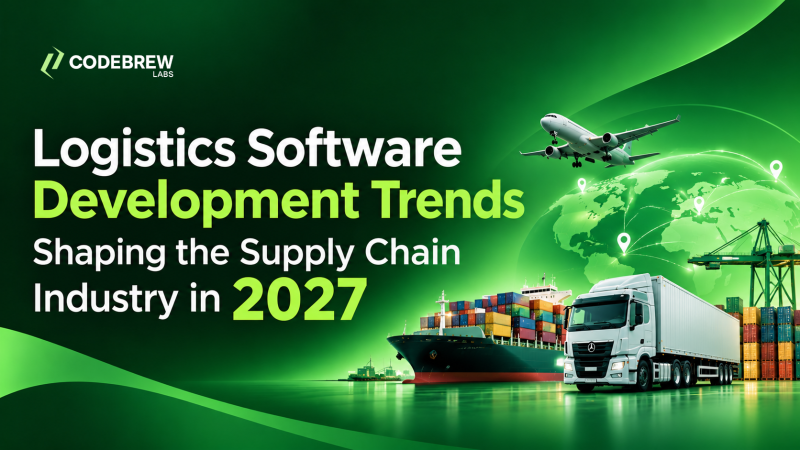
Logistics Software Development Trends Shaping the Supply Chain Industry in 2027
 samiksha
The logistics and supply chain industry is experiencing rapid technological transformation. Businesses are moving away from traditional manual operations and adopting digital platforms to improve shipment visibility, manage inventory, optimize transportation, and coordinate deliveries. As customer expectations increase and supply chains become more complex, technology is playing an important role in improving operational efficiency.
In 2027, logistics software development is increasingly focused on artificial intelligence, automation, cloud computing, Internet of Things (IoT), and predictive analytics. These technologies help logistics businesses make informed decisions, reduce operational delays, and manage resources more effectively.
Modern logistics applications also connect different business operations through centralized platforms. Transportation companies, warehouse operators, distributors, and retailers can use integrated software to access relevant information and coordinate their activities.
Understanding emerging technology trends can help businesses identify opportunities to modernize their operations. This article explores the major logistics software development trends shaping the supply chain industry in 2027.
Why Logistics Software Development Is Important in 2027
Traditional logistics operations often involve manual documentation, disconnected systems, and limited shipment visibility. These challenges can lead to delivery delays, inventory inaccuracies, increased expenses, and communication problems.
Modern logistics software addresses these issues by providing centralized tools for managing transportation, warehousing, inventory, and deliveries.
Some important benefits include:
- Operational Automation: Reduces repetitive manual activities and improves workflow efficiency.
- Real-Time Visibility: Helps businesses monitor shipments, vehicles, and inventory.
- Better Decision-Making: Provides operational data and analytics for informed planning.
- Cost Optimization: Helps improve route planning, resource allocation, and warehouse operations.
- Customer Satisfaction: Enables accurate delivery updates and improved communication.
As digital transformation accelerates, businesses are increasingly investing in customized software to support their supply chain requirements.
Top Logistics Software Development Trends in 2027
1. Artificial Intelligence in Logistics Management
Artificial intelligence is one of the most influential technologies transforming logistics operations. AI-powered applications analyze large volumes of operational data to identify patterns, predict potential problems, and recommend suitable actions.
For example, logistics companies can use AI to forecast shipment delays, analyze delivery performance, predict inventory requirements, and automate customer support.
Common AI applications include:
- Predictive delivery analytics
- Intelligent route planning
- Automated shipment scheduling
- Demand forecasting
- AI-powered customer service
By integrating AI capabilities, logistics businesses can improve planning accuracy and respond more effectively to changing operational conditions.
2. Internet of Things for Real-Time Tracking
IoT technology connects physical devices such as GPS trackers, vehicle sensors, RFID tags, and warehouse equipment with digital platforms.
These connected devices collect operational information and transmit it to logistics management systems.
Businesses can use IoT-enabled software to monitor vehicle locations, track shipment conditions, manage warehouse equipment, and receive alerts about unexpected changes.
For example, temperature sensors can help companies monitor sensitive shipments, while GPS devices provide real-time vehicle location updates.
This technology improves supply chain visibility and helps businesses identify potential problems earlier.
3. Predictive Analytics for Supply Chain Optimization
Predictive analytics uses historical information, statistical techniques, and machine learning models to estimate future operational outcomes.
Logistics businesses can use predictive analytics to anticipate demand fluctuations, identify potential delivery delays, and plan inventory requirements.
For example, a distribution company can analyze previous sales patterns and seasonal demand to determine the inventory levels required for upcoming periods.
Predictive analytics helps businesses move from reactive problem-solving toward more proactive supply chain management.
4. Cloud-Based Logistics Management Software
Cloud computing is changing how businesses develop, deploy, and manage logistics applications.
Cloud-based platforms allow authorized users to access operational information through connected devices without depending entirely on local infrastructure.
Important advantages include:
- Flexible infrastructure
- Centralized data management
- Remote accessibility
- Easier system integration
- Improved scalability
Cloud-based logistics software is particularly useful for organizations managing multiple warehouses, transportation networks, and distribution locations.
5. Automation in Warehouse Management
Warehouse operations involve multiple activities, including receiving goods, inventory tracking, order picking, packaging, and dispatching. Managing these processes manually can increase operational complexity.
Modern warehouse management software uses automation to simplify repetitive activities and improve inventory accuracy.
Features such as barcode scanning, RFID tracking, automated stock updates, and intelligent order allocation help warehouse teams work more efficiently.
When integrated with robotics and automated warehouse equipment, these systems can further improve operational productivity.
6. Blockchain for Supply Chain Transparency
Blockchain technology provides a distributed and tamper-resistant method of recording transactions and tracking information.
In logistics, blockchain-based systems can help businesses maintain transparent records of shipments, transactions, and product movements.
Potential applications include shipment verification, document management, supplier tracking, and product traceability.
For businesses handling complex supply chains, blockchain can improve information sharing and accountability between participating organizations.
However, implementation requires careful consideration of integration, governance, scalability, and data privacy.
7. AI-Powered Route Optimization
Transportation expenses represent an important part of logistics operations. Inefficient routes, traffic congestion, fuel consumption, and poor delivery scheduling can increase operational costs.
AI-powered route optimization software analyzes several factors, including delivery locations, traffic conditions, vehicle capacity, and delivery priorities.
These systems can recommend more efficient routes and help dispatchers adjust schedules when conditions change.
Businesses involved in transportation and last-mile delivery can benefit from this technology by improving fleet utilization and delivery planning.
8. Digital Twins in Supply Chain Management
Digital twin technology creates virtual representations of physical assets, systems, or processes.
In logistics, digital twins can represent warehouses, transportation networks, inventory systems, and distribution operations.
Businesses can use these virtual models to simulate different scenarios, evaluate operational changes, and identify potential bottlenecks before implementing real-world adjustments.
Although adoption requires suitable data and infrastructure, digital twins offer opportunities for advanced supply chain planning.
Challenges in Adopting Modern Logistics Technologies
Although technology offers several benefits, implementing new logistics software can create challenges for businesses.
Integration with Existing Systems: Connecting new applications with legacy ERP, warehouse, and transportation platforms can require additional development work.
Data Security: Logistics systems manage sensitive business and customer information. Businesses need suitable security controls to protect this data.
Implementation Costs: Advanced technologies such as AI, IoT, and digital twins may require additional investment in software, infrastructure, and specialized expertise.
Employee Training: Employees need proper training to use new applications and understand updated operational workflows.
Data Quality: Predictive analytics and AI systems depend on reliable data. Inaccurate or incomplete information can affect the quality of their recommendations.
Businesses should address these challenges through proper planning, phased implementation, and continuous system monitoring.
How to Choose the Right Logistics Software Development Company
Implementing modern technologies requires the support of an experienced development team. Choosing the right technology partner can help businesses build software that addresses their operational requirements.
Consider these factors when selecting a development company:
- Industry Understanding: Look for developers who understand transportation, warehouse management, fleet operations, and supply chain workflows.
- Technical Expertise: Evaluate experience with AI, cloud computing, IoT, APIs, and mobile application development.
- Custom Development Capabilities: Choose a team that can develop solutions based on your specific business requirements.
- Security Practices: Ensure the company follows appropriate data protection and software testing practices.
- Scalability: Select a development approach that can accommodate future business expansion.
- Maintenance and Support: Check whether ongoing technical assistance and software updates are available.
A suitable development partner should understand both the technical and operational aspects of logistics management.
Why Choose Code Brew Labs for Logistics Software Development?
Businesses looking to modernize supply chain operations need digital solutions that align with their workflows and long-term objectives. Code Brew Labs provides digital product development solutions for businesses exploring custom applications and software platforms.
From project planning and interface design to development, integrations, and deployment, businesses can evaluate Code Brew Labs for solutions aligned with their technology requirements.
Whether an organization is planning a fleet management application, transportation management system, warehouse platform, or integrated logistics solution, selecting a development partner with relevant expertise is an important step.
Conclusion
The logistics industry is entering a new phase of digital transformation in 2027. Artificial intelligence, IoT, cloud computing, predictive analytics, warehouse automation, and blockchain are creating opportunities to improve supply chain operations.
Businesses adopting these technologies can strengthen shipment visibility, improve inventory management, optimize transportation, and make more informed operational decisions.
Investing in modern logistics software development can help organizations build scalable digital infrastructure and respond to changing industry requirements. With the right technology strategy and development partner, logistics companies can prepare their operations for the future of connected supply chains.
Source:
Click for the: Full Story
You might like









You Might Like this