Close Menu
 World
World
 Biography
 Health
 Education
 Business
 Lifestyle
 Sports
 Technology
 Animals
 History
 Food
Food
 Religious
 Startups
 Movies
 Politics
 Fashion
 Covid
Covid
 Diet
Diet
 Fitness
 Marketing
 Travel
 Science
 Reviews
 Social media
 Stories
 Facts
Facts
 Art
Art
 Entertainment
Deepak

Health
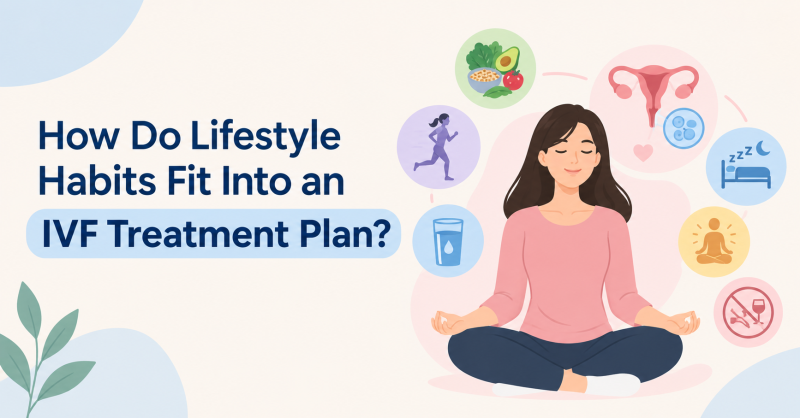
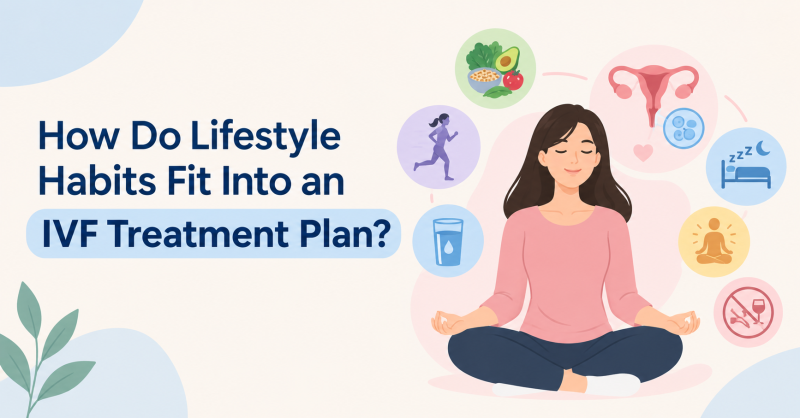
How Do Lifestyle Habits Fit Into an IVF Treatment Plan?
 Deepak
When couples begin IVF, much of the focus goes to medicines, scans and lab procedures. But many patients also ask a quieter question: "Is there anything I can do to help?"
The honest answer is yes, within limits. Lifestyle habits do not replace medical treatment, and they cannot guarantee a pregnancy. But they support your body's response to treatment, your general health, and your emotional resilience through a demanding process. A thoughtful IVF doctor in Delhi will usually discuss lifestyle alongside protocols and test results, because both matter.
This blog explains which habits are most relevant, what the evidence broadly supports, and what is better left as myth.
Why Lifestyle Matters in IVF
IVF relies on your body to respond to stimulation medication, produce eggs, and, after embryo transfer, support implantation. For men, sperm quality is equally important. Both are influenced by overall health, nutrition, sleep, stress and exposure to substances like tobacco and alcohol.
Egg and sperm development takes roughly three months, which is why many fertility specialists suggest starting healthy changes well before treatment begins, if time allows.
Lifestyle changes work best as a supportive layer. They rarely overcome major medical factors such as advanced age or blocked tubes, but they can help create the best possible conditions for treatment.
Habits That May Support Your IVF Journey
Balanced Nutrition
There is no single "fertility diet," but patterns that emphasise whole foods are generally recommended:
- Plenty of vegetables, fruits and whole grains
- Adequate protein from dal, eggs, fish, paneer or lean meat
- Healthy fats such as nuts, seeds and olive or mustard oil
- Limited ultra-processed foods, sugary drinks and excess refined carbohydrates
Your doctor may also advise folic acid and other supplements. Please avoid starting high-dose supplements or herbal products on your own, as some can interfere with treatment.
Healthy Body Weight
Being significantly underweight or overweight can affect hormone levels, ovulation, response to medication and, in some studies, pregnancy outcomes. If weight is a concern, gradual and sustainable changes under guidance are better than crash diets, which can disrupt cycles and nutrition.
Regular, Moderate Exercise
Movement improves circulation, mood and metabolic health. Walking, yoga, stretching and light strength training are usually suitable. Very intense or exhausting workouts may not be, particularly during stimulation and after embryo transfer. Ask your doctor what suits each phase of your cycle.
Quality Sleep
Poor or irregular sleep can affect hormones and stress levels. Aim for consistent sleep and wake times, limit late-night screen use, and keep your bedroom calm and dark.
Stress Management
IVF can be emotionally heavy: frequent visits, waiting, uncertainty and financial pressure. Stress alone does not cause infertility, and it's unfair to blame yourself for it. Still, managing stress helps you cope better and stay consistent with treatment. Helpful options include:
- Gentle breathing or meditation
- Talking with your partner or a trusted person
- Counselling or support groups
- Taking breaks from endless online searching
Avoiding Tobacco, Alcohol and Recreational Substances
Smoking is linked to reduced egg quality and poorer outcomes in both partners. Heavy alcohol intake can affect fertility and sperm health. Most fertility specialists advise stopping tobacco completely and minimising or avoiding alcohol during treatment.
Caffeine in Moderation
Moderate intake, such as one to two cups of tea or coffee a day, is commonly considered acceptable. Very high intake is best avoided.
Don't Forget the Male Partner
Lifestyle advice is not only for women. Men can support sperm quality by:
- Quitting smoking and limiting alcohol
- Avoiding prolonged heat exposure, such as hot tubs, saunas or laptops on the lap
- Maintaining a healthy weight and staying active
- Managing stress and sleep
- Reviewing medications with a doctor
Common Myths About Lifestyle and IVF
- "Complete bed rest after embryo transfer improves success." Evidence does not support strict bed rest. Normal, gentle activity is generally fine unless your doctor advises otherwise.
- "A special food guarantees implantation." No food can do this. Balanced eating helps overall health, but it is not a guarantee.
- "If IVF fails, I must have done something wrong." IVF outcomes depend on many factors, most of them beyond your control.
Lifestyle and Medical Care Work Together
Think of lifestyle changes as one part of a larger plan. Your treatment plan will usually also involve:
- A full evaluation of both partners
- A protocol matched to your age, ovarian reserve and diagnosis
- Careful monitoring through ultrasound and hormone tests
- Embryo culture and transfer planning
- Follow-up and support after the transfer
Many couples search for the best IVF doctor in Delhi or the best IVF centre in Delhi, and the most helpful way to approach that search is by asking practical questions. Does the specialist explain your options clearly? Do they review lifestyle and health factors, not only procedures? Are success rates discussed honestly? Do you feel heard? Those answers usually say more than any ranking.
Dr. Poonam Goyal is a gynecologist and fertility specialist in Delhi who works with couples on personalised fertility plans, including how health and daily habits can be supported alongside medical treatment.
When to Seek Professional Guidance
Consider speaking with a fertility specialist if:
- You have been trying to conceive for 12 months (6 months if the woman is 35 or older)
- You have irregular cycles, endometriosis, PCOS or a known tubal or sperm issue
- You have had repeated miscarriages or unsuccessful treatments
- You are unsure whether IVF is the right next step
Getting guidance early helps you make decisions with clarity instead of guesswork.
Final Thoughts
You can't control every part of an IVF journey, but you can look after your body and mind while you go through it. Small, steady habits, such as eating well, sleeping enough, staying gently active and getting support, make the process more manageable and help your treatment work in the healthiest setting possible.
Frequently Asked Questions
1. Do lifestyle changes really improve IVF success?
They can support egg and sperm health and overall wellbeing, which may help treatment. They don't replace medical care, and they cannot guarantee a pregnancy.
2. How early should I start lifestyle changes before IVF?
Ideally, around three months before treatment, since eggs and sperm take time to mature. Even if you have less time, healthy changes are still worthwhile.
3. Can I exercise during IVF?
Moderate activity such as walking and yoga is usually fine. Your doctor may advise reducing intensity during stimulation and after embryo transfer, so ask what suits your situation.
4. Should my partner also change his lifestyle?
Yes. Sperm quality contributes to IVF outcomes. Avoiding smoking, limiting alcohol, staying active and avoiding excess heat exposure can help.
5. How do I choose an IVF doctor in Delhi?
Look for a specialist who evaluates both partners, explains the treatment plan clearly, shares realistic expectations and supports you throughout the process, not just during procedures.
Disclaimer: This blog is for educational purposes only and does not replace personalised medical advice. Please consult a qualified doctor for diagnosis and treatment.
Source:
Click for the: Full Story
You might like