Close Menu
 World
World
 Biography
 Health
 Education
 Business
 Lifestyle
 Sports
 Technology
 Animals
 History
 Food
Food
 Religious
 Startups
 Movies
 Politics
 Fashion
 Covid
Covid
 Diet
Diet
 Fitness
 Marketing
 Travel
 Science
 Reviews
 Social media
 Stories
 Facts
Facts
 Art
Art
 Entertainment
Tabeer Homes

Business
How Do You Care for Mother of Pearl Inlaid Furniture to Preserve Its Beauty?
 Tabeer Homes
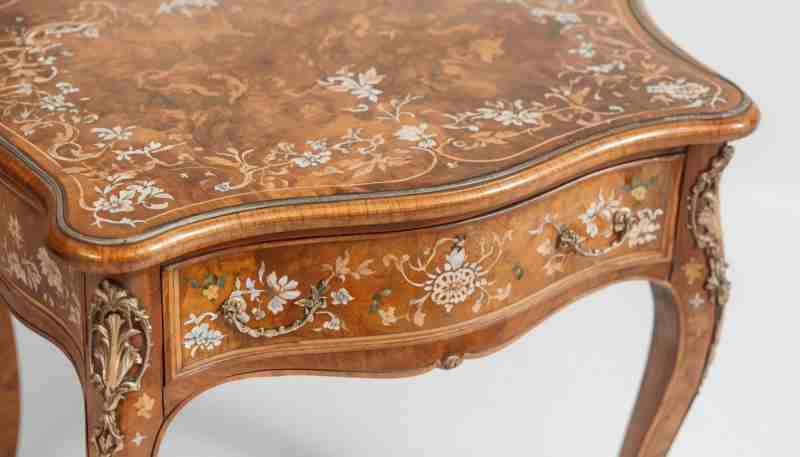
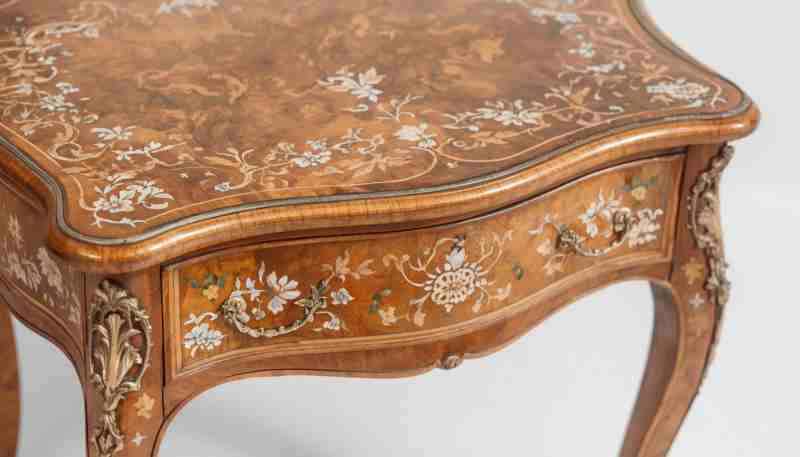
mother of pearl inlaid furniture can retain its distinctive beauty for years when you clean it gently, protect it from excess moisture, and prevent scratches and heat damage. Regular dusting, prompt spill removal, and careful handling help preserve its decorative surface. The most important rule is to follow the manufacturer's care instructions because the shell inlay, adhesive, base material, and protective finish may each require different treatment.
Mother of pearl furniture is admired for its natural shimmer, intricate patterns, and handcrafted appearance. Whether you display it in a living room, bedroom, or entryway, it can become a focal point that adds character to your interior. However, decorative furniture needs thoughtful maintenance to keep its finish looking its best.
In this guide, you'll learn how to clean inlaid furniture, protect it from everyday damage, maintain different furniture pieces, and recognise when professional restoration may be necessary.
Why Does Mother of Pearl Inlaid Furniture Need Special Care?
Mother of pearl is the iridescent inner layer of certain shells. Furniture makers use small pieces of this material to create decorative patterns across tabletops, cabinet fronts, dressers, and other surfaces.
The finished piece may combine shell, wood or another base material, adhesive, and a protective coating. Each component can respond differently to moisture, heat, cleaning products, and physical pressure.
This is why mother of pearl inlaid furniture should not automatically be cleaned in the same way as ordinary wooden furniture.
Some factors that make careful maintenance important include:
- Delicate inlay details: Small decorative pieces can chip or loosen if exposed to impact or rough handling.
- Surface sensitivity: Abrasive materials may scratch the finish or dull its appearance.
- Moisture exposure: Excess water can affect certain adhesives, coatings, and wooden components.
- Heat and sunlight: Prolonged exposure may contribute to fading or changes in some finishes.
- Different construction methods: Care requirements vary depending on the materials and protective coating used.
Understanding these factors helps you choose appropriate cleaning methods and avoid unnecessary damage.
1. Dust the Furniture Regularly
Regular dusting is one of the simplest ways to maintain decorative furniture. Dust particles may cause fine scratches when rubbed across a surface, especially if you use a rough cloth or apply too much pressure.
Use a clean, soft microfiber cloth to remove dust gently. Work across the surface without scrubbing, and pay attention to corners, edges, and areas around intricate patterns.
Best practices for dusting
- Use a dry, lint-free cloth for routine cleaning.
- Avoid rough towels, abrasive sponges, and scouring pads.
- Lift ornaments before cleaning underneath them.
- Use a soft brush for detailed areas only if it is safe for the finish.
- Remove dust before placing trays, lamps, or decorative objects back on the surface.
Dusting once or twice a week is a reasonable starting point for frequently used furniture. You may need to clean more often if the piece is near an open window or in a room that collects considerable dust.
Avoid sliding objects across the tabletop. Even a decorative vase can leave marks if dirt becomes trapped beneath its base.
2. Remove Spills Immediately
Spills can happen on any piece of furniture, particularly tables used for drinks, snacks, or everyday essentials. The best response is to remove the liquid promptly without applying excessive moisture.
If liquid reaches an unprotected edge or damaged finish, it may affect the underlying material or adhesive. The risk depends on the furniture's construction and condition.
How to clean a spill safely
- Blot the liquid with a soft, absorbent cloth.
- Avoid rubbing aggressively across the inlay.
- If the manufacturer's instructions permit it, use a slightly damp cloth for any remaining residue.
- Wipe away moisture with a clean, dry cloth.
- Check nearby edges and joints for any liquid that may have collected.
Never pour water directly onto the furniture or leave a wet cloth sitting on the surface.
Avoid experimenting with vinegar, bleach, alcohol-based cleaners, or other strong products. These may damage certain finishes even when they are suitable for other household surfaces.
If a stain remains after gentle cleaning, consult the manufacturer or a furniture restoration professional before trying a stronger treatment.
3. Protect the Surface from Heat and Direct Sunlight
Heat and prolonged sunlight can affect some furniture finishes and base materials. Direct sunlight may contribute to fading or discolouration, while hot objects can leave marks or damage a protective coating.
Although mother of pearl has a naturally reflective appearance, that does not mean the entire furniture piece is resistant to environmental damage.
Where should you place the furniture?
Choose a location away from prolonged direct sunlight and strong heat sources. Avoid placing the piece immediately beside radiators, fireplaces, heating vents, or windows that receive intense afternoon sun.
If you cannot move the furniture, curtains or blinds can help reduce direct exposure.
Use coasters for drinks and appropriate protective mats for hot items when recommended. Make sure their undersides are clean and non-abrasive.
Try to maintain reasonably stable indoor conditions rather than exposing the furniture to repeated extremes of temperature. These precautions can help protect both the decorative surface and the underlying materials.
4. Use Coasters and Protective Accessories
Furniture used every day experiences more wear than a piece kept mainly for display. A living room table may hold cups, books, lamps, trays, and decorative objects throughout the day.
Protective accessories can reduce the risk of scratches, moisture rings, and accidental marks.
A coffee table mother of pearl design can make a striking centrepiece, but its decorative surface should not be treated as an indestructible worktop.
Follow these practical habits:
- Use coasters beneath drinks to reduce moisture marks.
- Lift objects rather than dragging them across the surface.
- Keep keys, sharp accessories, and tools away from the inlay.
- Avoid placing excessively heavy objects on the furniture.
- Use clean trays with smooth undersides when organising smaller items.
Protective accessories do not need to hide the table's design. Simple coasters and understated trays can help preserve the surface while allowing its decorative pattern to remain visible.
5. Avoid Harsh Cleaning Products
A cleaner suitable for glass, stone, or ordinary wood may not be appropriate for inlaid furniture. Different materials respond differently to chemicals, and an unsuitable product may dull the finish, leave residue, or cause discolouration.
Be cautious with the following:
Cleaning product or toolWhy you should be carefulAbrasive spongesMay scratch the surfaceBleach or strong cleanersMay damage certain finishesAlcohol-based productsMay affect some protective coatingsVinegar or acidic solutionsMay be unsuitable for certain materialsUnapproved waxes and polishesMay leave residue or interact with the finishSteam cleanersHeat and moisture may damage some components
These products do not necessarily damage every furniture piece, but you should not use them without confirming their suitability.
For routine care, a soft cloth is often enough. If the manufacturer recommends a cleaning solution, follow the specified method and quantity.
Do not apply an unfamiliar product to a prominent area without checking the care instructions first. When in doubt, ask the seller or a furniture-care professional.
6. Keep Indoor Conditions Stable
Wood, adhesives, and some protective coatings may respond to changes in temperature and humidity. Excessive dampness or unusually dry conditions can affect certain furniture components over time.
To reduce environmental stress:
- Keep the furniture in a well-ventilated indoor space.
- Avoid persistently damp areas.
- Do not position the piece directly against a damp wall.
- Address leaks and water intrusion promptly.
- Follow the manufacturer's guidance for temperature and humidity.
If you live in a humid climate, inspect the furniture occasionally, particularly around its back, underside, and joints. If your home experiences very dry conditions, watch for changes in wooden components or the finish.
Avoid placing decorative furniture in bathrooms or other persistently damp areas unless the manufacturer confirms that the item is suitable for that environment.
7. Handle Cabinets and Storage Furniture Carefully
Decorative cabinets are often used for practical storage as well as display. Overloading shelves, pulling drawers roughly, or placing too much weight on a cabinet can put unnecessary strain on its structure.
A bone inlay cabinet can complement a mother of pearl piece in a coordinated interior. However, bone and mother of pearl are different decorative materials, so their precise care requirements may differ.
To protect cabinets and other storage furniture:
- Open drawers using their handles rather than pulling on decorative edges.
- Distribute stored items evenly.
- Follow the recommended weight limits.
- Keep liquids away from drawer interiors and joints.
- Lift the furniture when moving it instead of dragging it.
- Check handles, hinges, and drawer runners for looseness.
If a drawer becomes difficult to open, avoid forcing it. Check for obstructions or uneven positioning first. Persistent resistance may require professional adjustment.
Keep cabinets on a stable, level surface and follow the manufacturer's instructions for wall anchoring where required.
8. Care for Dressers and Mirrors Separately
Bedroom furniture arrangements often combine a dresser, mirror, and other decorative pieces. Although these items may look coordinated, each component may need a different cleaning method.
A chest of drawers and mirror arrangement can provide useful storage while adding character to a bedroom. However, the mirror, frame, and dresser should not automatically be cleaned with the same products.
Caring for the dresser
Dust the top and drawer fronts with a soft cloth. Avoid hanging heavy bags from decorative handles, and keep liquids away from joints and edges.
Caring for the mirror
Follow the manufacturer's instructions for cleaning the glass. Whenever possible, apply the cleaner to a cloth instead of spraying directly near the frame. This reduces the chance of liquid reaching decorative details or joints.
Do not allow moisture to collect around the mirror's edges, as it may affect certain backing materials and finishes.
Caring for the complete arrangement
Make sure any wall-mounted mirror is installed securely. Avoid leaning heavily on the dresser while cleaning, and follow the supplied instructions for mounting hardware.
Treating each component appropriately helps preserve the complete arrangement without exposing one material to a cleaner intended for another.
9. Inspect the Inlay for Damage
Regular inspection helps you notice small problems before they become more serious. You do not need to examine every detail daily, but checking the furniture periodically can help you identify changes early.
Look for:
- Loose, raised, chipped, or missing inlay pieces.
- Scratches or dull patches.
- Cracks around corners and edges.
- Changes in colour or finish.
- Swelling or separation around joints.
- Loose handles, legs, or hinges.
If you notice a loose inlay piece, avoid pressing it back into place or applying household glue. The wrong adhesive may stain the surface, damage the finish, or complicate professional repair.
Protect the affected area from contact and ask the manufacturer or a qualified furniture restorer for advice.
Some minor scratches may be repairable, but the correct treatment depends on the finish and the depth of the damage. Avoid sanding, polishing, or refinishing the surface unless you know that the method is suitable for the specific piece.
Professional assistance is generally the safer option for missing inlay or structural damage.
10. Move and Store Furniture Safely
Moving furniture can cause damage even when you clean it regularly. Uneven lifting may strain the legs or joints, while rough packing materials can scratch the decorative surface.
Before moving a table or cabinet:
- Remove ornaments, lamps, books, and other loose items.
- Empty drawers or shelves when appropriate.
- Measure doorways and pathways.
- Use enough people to lift the item safely.
- Lift from suitable structural areas rather than decorative edges.
- Protect the furniture with clean, non-abrasive padding.
Never drag the piece across the floor, even if it appears sturdy.
If you need to store the furniture, choose a clean, dry, well-ventilated location. Avoid damp basements, areas with leaks, and places exposed to extreme temperature changes.
Use breathable protective covering and avoid placing heavy objects on top. For valuable pieces or long-distance transport, professional packing may be worthwhile.
11. Create a Simple Furniture-Care Routine
You do not need an elaborate maintenance schedule to preserve decorative furniture. A few consistent habits can prevent many common problems.
Weekly
- Dust the surface with a soft, dry cloth.
- Check for spills, water rings, and new marks.
- Lift decorative objects before cleaning underneath them.
Monthly
- Inspect the inlay, edges, legs, handles, and joints.
- Clean beneath trays and accessories.
- Check that drawers and cabinet doors work properly.
Seasonally
- Review the furniture's exposure to sunlight.
- Check for signs of moisture or environmental damage.
- Confirm that the furniture remains stable and properly positioned.
As needed
- Blot spills immediately.
- Seek professional advice about loose inlay or persistent stains.
- Arrange suitable repairs if structural problems appear.
Adjust the frequency according to how often you use the furniture and the conditions in your home. The most important habit is to address spills and damage promptly.
12. Choose Furniture That Fits Your Lifestyle
Good maintenance begins before you purchase a piece. Consider how you plan to use the furniture, where you will place it, and how much care you can reasonably provide.
If you are exploring mother of pearl furniture Dubai, review the product description and images carefully. Check the dimensions, materials, finish, intended use, and available maintenance guidance before making a decision.
Useful questions to ask include:
- What material forms the furniture's base?
- Does the surface have a protective coating?
- Which cleaning methods are recommended?
- Is the piece designed for everyday use or mainly for display?
- Are there specific precautions for heat, sunlight, or humidity?
- What should you do if an inlay piece becomes loose?
Placement matters, too. A table beside a sofa may experience frequent contact and spills, while a decorative cabinet in a less-used corner may require less frequent attention.
Choose a size and design that suits your room and daily routine. A well-chosen piece is easier to enjoy when its maintenance requirements are practical for your home.
Common Mistakes to Avoid
Even well-intentioned cleaning can cause damage if you use the wrong method. Avoid these common mistakes:
Using too much water: Excess moisture may affect certain adhesives, finishes, and base materials.
Scrubbing to remove stains: Aggressive rubbing can scratch the surface or disturb delicate decorative details.
Applying polish without checking: Wax, oils, and furniture polish may leave residue or interact with some coatings.
Ignoring small areas of damage: A loose or chipped piece may deteriorate further if it is not assessed.
Placing hot objects directly on the surface: Heat can damage certain finishes and leave marks.
Dragging furniture during cleaning or rearranging: Lift the item safely instead of pulling it across the floor.
Using the same cleaner on every material: Shell, wood, glass, metal, and protective finishes may have different care requirements.
Leaving spills unattended: Prompt blotting reduces the chance of staining or moisture damage.
A gentle approach is usually the best starting point. If the recommended cleaning method does not resolve a problem, seek professional advice instead of trying increasingly strong products.
Read More - Unique Chest of Drawers: Standout Designs for Every Room
Final Thoughts
Caring for mother of pearl inlaid furniture is mainly about consistency and prevention. Regular dusting, prompt spill removal, protection from excessive heat and sunlight, and careful handling can help preserve its decorative finish.
Always check the manufacturer's care instructions before using cleaning products. Inspect your furniture periodically for loose pieces, scratches, or other changes, and seek professional help when repairs are necessary.
Whether you own a decorative table, a statement cabinet, or an inlaid dresser, a few simple habits can help you enjoy its distinctive appearance without making maintenance complicated.
Tabeer Homes offers decorative furniture options for different interior styles. By choosing a suitable piece and caring for it thoughtfully, you can maintain a beautiful and functional addition to your home for years to come.
FAQs
1. How do you clean mother of pearl inlaid furniture?
Use a soft, dry microfiber cloth to remove dust. For spills or stubborn marks, follow the manufacturer's cleaning instructions and use only approved products. Avoid abrasive tools and excessive moisture.
2. Can you use water to clean mother of pearl furniture?
Use water sparingly and only if the manufacturer's instructions permit it. A slightly damp cloth may be suitable for some finishes, but always dry the surface promptly and never pour water directly onto the furniture.
3. How often should you dust mother of pearl inlaid furniture?
Dust it once or twice a week as a starting point. Frequently used furniture or pieces in dusty rooms may need more regular cleaning.
4. Can sunlight damage mother of pearl inlay furniture?
Prolonged direct sunlight may fade or affect some finishes and underlying materials. Place the furniture away from intense sunlight or use curtains and blinds to reduce exposure.
5. Which cleaning products should you avoid on mother of pearl furniture?
Avoid abrasive cleaners, scouring pads, bleach, and unapproved acidic or alcohol-based products. These may damage the surface or protective coating. Always check the manufacturer's care guidance.
6. How can you prevent scratches on mother of pearl furniture?
Use coasters and suitable protective mats, lift objects instead of sliding them, and keep sharp items away from the surface. Dust before placing decorative accessories back on the furniture.
7. How do you protect a mother of pearl coffee table from everyday damage?
Use coasters for drinks, clean spills immediately, and avoid placing hot objects directly on the tabletop. Keep the surface free from abrasive dust and follow the recommended weight limits.
8. What should you do if a mother of pearl inlay piece becomes loose?
Avoid pressing it back into place or using household glue. Protect the area from further contact and consult the manufacturer or a qualified furniture restoration professional.
9. How do you maintain a mother of pearl cabinet?
Dust it regularly, avoid excess moisture, distribute stored items evenly, and handle drawers and doors gently. Inspect the inlay, joints, and hardware periodically for signs of damage.
10. Can mother of pearl inlaid furniture be repaired if it gets scratched?
Some scratches may be repairable, depending on their depth and the surface finish. Avoid sanding or applying polish without guidance, as unsuitable treatments may cause further damage.
Source:
Click for the: Full Story
You might like