Close Menu
 World
World
 Biography
 Health
 Education
 Business
 Lifestyle
 Sports
 Technology
 Animals
 History
 Food
Food
 Religious
 Startups
 Movies
 Politics
 Fashion
 Covid
Covid
 Diet
Diet
 Fitness
 Marketing
 Travel
 Science
 Reviews
 Social media
 Stories
 Facts
Facts
 Art
Art
 Entertainment
Sonaray

Business
How Do You Choose Outdoor Solar Lights for Different Applications?
 Sonaray
Outdoor lighting plays an important role in improving visibility, safety, security, and the usability of exterior spaces. With advances in solar technology, outdoor solar lights have become a practical option for residential, commercial, and public areas. They can provide reliable illumination while reducing dependence on conventional electricity.
However, choosing the right solar lighting solution depends on where and how the lights will be used. Different applications require different levels of brightness, coverage, mounting options, and operating performance.
Consider the Purpose of the Lighting
The first step is to identify what the lighting needs to achieve. Pathways, gardens, driveways, car parks, streets, and large commercial areas all have different lighting requirements.
For pathways and pedestrian areas, compact fixtures designed for low-level illumination may be sufficient. For security-focused applications, a brighter fixture with wider coverage can help illuminate larger areas and improve visibility.
Understanding the purpose of the installation makes it easier to select an appropriate solar lighting system.
Choose the Right Brightness and Coverage
Brightness is another important consideration. A small outdoor area may only require moderate illumination, while larger spaces need fixtures capable of producing stronger and more consistent light.
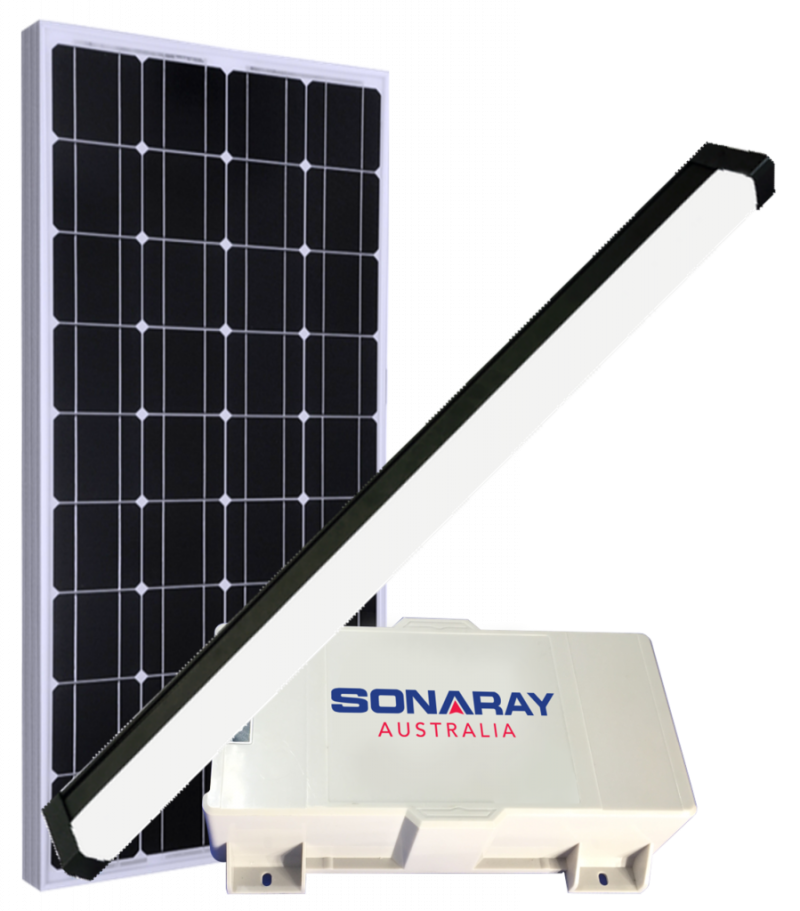
For open spaces, entrances, warehouses, commercial properties, and security areas, a flood light solar solution can provide broad illumination across a larger area. The positioning and beam angle should also be considered to ensure the available light reaches the areas that need it most.
Think About Solar Exposure
Solar lighting relies on sunlight to recharge its battery during the day. Therefore, the installation location should receive sufficient direct sunlight.
Before selecting a fixture, consider whether nearby buildings, trees, walls, or other structures could create shade during the day. A suitable solar panel position can help the system collect enough energy to operate effectively after sunset.
Consider Battery Capacity and Operating Time
Battery performance is particularly important when outdoor lights are expected to operate throughout the night. Look for systems with battery capacity appropriate to the expected operating period and local environmental conditions.
For areas where consistent overnight illumination is important, such as streets, pathways, car parks, and commercial properties, battery performance should be considered alongside solar panel capacity and lighting output.
Match the Light to the Environment
Different outdoor environments can expose lighting equipment to rain, dust, heat, and changing weather conditions. For this reason, durability should be part of the selection process.
For installations in exposed locations, choose lighting products designed for outdoor use and suitable for the expected environmental conditions. Strong construction and appropriate weather protection can contribute to longer service life and dependable performance.
Consider Installation and Maintenance
Installation requirements can vary significantly between different lighting applications. Some fixtures are designed for straightforward installation, while larger systems may require poles, brackets, or professional planning.
Solar lighting can reduce the need for traditional electrical connections, which may simplify installation in locations where running power cables is difficult or expensive. Maintenance requirements should also be considered when selecting the system, particularly for large-scale installations.
Select Lighting Based on the Application
The best lighting solution depends on the specific application.
Residential Areas
Homes may benefit from solar lighting around gardens, driveways, entrances, patios, and pathways. The focus is often on improving visibility while complementing the appearance of the property.
Pathways and Walkways
Pathway lighting should provide comfortable illumination without creating excessive glare. Compact solar fixtures can help define walkways and improve visibility after dark.
Car Parks
Car parks require wider and more consistent illumination to support visibility and security. Solar lighting can be considered for shopping centres, commercial properties, community areas, and other parking facilities.
Streets and Public Areas
Street lighting requires careful consideration of mounting height, light distribution, brightness, and operating time. Solar-powered systems can be particularly useful in locations where extending conventional electrical infrastructure is challenging.
Commercial and Security Applications
Warehouses, building entrances, storage areas, and other commercial locations may require higher-output lighting. A suitable solar flood light can provide broad illumination for larger outdoor spaces while supporting security and visibility.
Look Beyond Initial Cost
Price is only one part of choosing an outdoor solar lighting system. Buyers should also consider energy requirements, installation costs, maintenance, expected operating life, battery performance, and overall reliability.
A system that meets the application's lighting requirements and performs consistently over time can offer greater practical value than simply selecting the lowest-priced option.
Make the Right Choice for Your Outdoor Space
Choosing solar lighting starts with understanding the environment, purpose, coverage requirements, and expected operating conditions. From pathways and gardens to streets, car parks, and commercial properties, different applications require different lighting characteristics.
By considering brightness, solar exposure, battery capacity, durability, installation, and maintenance, property owners and project managers can select outdoor solar lights that are better suited to their specific needs. With the right planning, solar lighting can provide an efficient and dependable approach to illuminating outdoor spaces.
Source:
Click for the: Full Story
You might like