Close Menu
 World
World
 Biography
 Health
 Education
 Business
 Lifestyle
 Sports
 Technology
 Animals
 History
 Food
Food
 Religious
 Startups
 Movies
 Politics
 Fashion
 Covid
Covid
 Diet
Diet
 Fitness
 Marketing
 Travel
 Science
 Reviews
 Social media
 Stories
 Facts
Facts
 Art
Art
 Entertainment
Electra Appliance
Lifestyle
How Hard Water Can Affect Everyday Household Appliances
 Electra Appliance
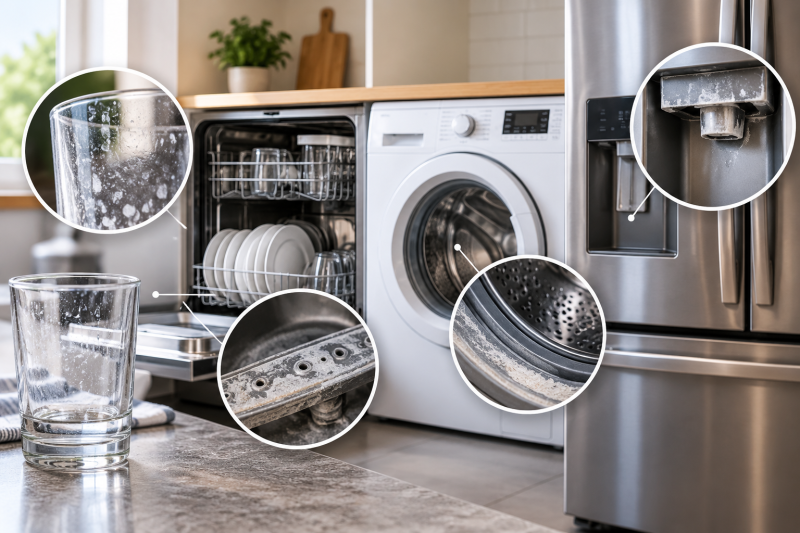
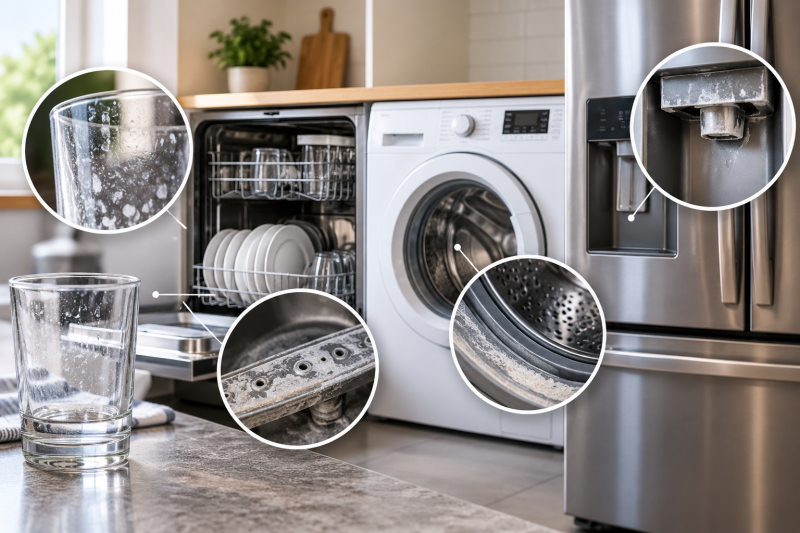
Hard water is common in many homes, but its effects are often overlooked. You may notice white spots on glassware, buildup around taps, or a chalky film on bathroom surfaces. These signs are not limited to sinks and showerheads. Minerals in hard water also affect household appliances that use water regularly.
The minerals causing water hardness are calcium and magnesium. Although they are usually not a problem for drinking, constant exposure can cause deposits inside appliances and around water-handling parts.
The good news is that homeowners can reduce many of these problems with regular care and a little attention.
What Is Hard Water?
Hard water contains more dissolved minerals, mostly calcium and magnesium. Although the water looks normal from the tap, many people do not realize they have hard water until scale deposits appear.
Typical signs include white marks on faucets, cloudy glassware, reduced water flow, and chalky residue.
Water hardness depends on the location and source. In some houses there is hardly any buildup, while in others it is frequent.
Mineral deposits build up slowly. A small amount won't cause obvious issues, but continuous accumulation can cause problems with water-using appliances.
How Hard Water Affects Appliances
Appliances which use water repeatedly are subjected to minerals each time they function. Depending on the appliance, deposits may eventually build up on internal surfaces, filters, valves, heating elements, and water outlets.
Scale buildup may reduce water flow and efficiency. It can also make cleaning harder, cause unpleasant odors, or leave residue in some appliances. Hard water does not mean an appliance will fail prematurely. Other factors affect lifespan, such as usage, maintenance, installation, and product quality. Still, water hardness should be considered when an appliance shows unusual changes.
Dishwashers Can Show the Effects Quickly
Dishwashers are particularly easy places to notice hard water problems because mineral deposits can remain on dishes and glassware.
You may notice cloudy areas, white spots, or a dull film after a cycle. Build-up can form inside the dishwasher around spray arms, filters, and water channels. Mineral deposits can become heavy. Refer to the manufacturer's instructions before using a descaling product, as cleaning methods vary by model.
If an older dishwasher no longer meets your household’s needs, consider capacity and everyday usage when comparing dishwasher options for different households. The right choice relies on factors such as household size, available space, cleaning habits, and the features that are genuinely useful to you.
Washing Machines Can Also Be Affected
Since washing machines use a great deal of water during their working lives, mineral buildup can become a problem in regions where the water is hard.
Deposits may develop around water inlets and other internal parts. Hard water can also affect detergents, leaving more residue on clothing or inside the machine.
Homeowners do not have to replace their washing machine because of hard water. The best approach is regular cleaning and following the manufacturer's care instructions. If you notice decreased water flow, poor washing results, odd residue, or persistent odors, check the machine's maintenance guidelines before assuming a serious fault.
Refrigerators With Water and Ice Features
Modern refrigerators may also come into contact with hard water if they have built-in water dispensers or ice makers.
Minerals can accumulate in water lines or components over time. Water filters can also become less effective as they approach the end of their recommended service life.
Replacing filters on schedule is a simple step homeowners can take. Also, watch for changes in water flow, ice production, or ice appearance.
Do not ignore unusual changes just because the refrigerator cools normally. Water and ice systems have parts that may need attention.
Other Appliances That Use Water
Water quality affects more than dishwashers, washing machines, and refrigerators.
Coffee makers, humidifiers, steam appliances, and other water-using equipment can also develop mineral deposits. The effect varies by design and how often you use the appliance.
Smaller appliances show buildup faster because their water reservoirs and internal passages are compact.
Start by following the manufacturer's instructions, since a descaling method that works for one appliance might not suit another.
Signs That Mineral Accumulation May Be Becoming a Problem
Hard water buildup usually does not appear as a dramatic failure. It develops gradually.
Look out for changes such as:
- White or chalky deposits around water outlets
- Cloudy glassware after dishwasher cycles
- Reduced water flow
- Longer appliance cycles
- More residue after washing
- Changes in ice or water dispensing
- Unusual smells from water-using appliances
- Increasingly frequent cleaning requirements
One sign alone does not prove hard water is to blame. Appliance age, clogged filters, detergent problems, and mechanical faults can cause the same symptoms.
Simple Ways to Reduce Hard Water Problems
One of the easiest ways to reduce mineral deposits is routine maintenance.
Follow each appliance's cleaning schedule, clean accessible filters, check water outlets, and inspect areas with visible deposits.
Use only cleaning or descaling products suitable for the appliance. Some products can damage materials or components if used incorrectly.
Replace water filters when needed. If hard water is a persistent problem, consider water treatment options. The right approach depends on your water supply, hardness level, household needs, and appliances involved.
Should you think about getting a water softener?
A water softener is different from a standard water filter. It reduces the minerals responsible for water hardness.
Some homeowners opt for whole-house treatment when hard water affects multiple areas of the property, while others prefer point-of-use solutions for certain appliances or drinking water.
No single solution fits every home. Before you choose a system, it's important to know your water hardness and which areas of your house are affected.
A local water professional can determine whether treatment is appropriate and which type of system best suits the property.
Protecting Appliances Over the Long Term
Hard water is easier to manage when homeowners treat maintenance as routine rather than waiting for visible problems.
Keep filters clean and replace them when needed. Regularly check appliance seals, water outlets, and other accessible parts. Watch for performance changes and investigate before they worsen.
Keep the user manuals for your major appliances. They contain model-specific information that generic cleaning advice cannot always provide.
Above all, don't assume every appliance problem is due to hard water. If cleaning doesn't fix the problem or the appliance behaves abnormally, consider professional servicing. Although you can't always avoid hard water, you can often deal with its effects.
Regular cleaning, timely filter replacement, and following manufacturer recommendations can help reduce mineral accumulation in water-using appliances. Noticing small changes may also help you spot problems before they become more disruptive.
If several appliances around the home are showing signs of mineral deposits, the issue may go beyond one machine. Understanding your home’s water quality can then help you decide whether simple maintenance is enough or whether a more extensive water treatment solution is worth considering.
Source:
Click for the: Full Story
You might like