



 Close Menu
 World
World
 Biography
 Health
 Education
 Business
 Lifestyle
 Sports
 Technology
 Animals
 History
 Food
Food
 Religious
 Startups
 Movies
 Politics
 Fashion
 Covid
Covid
 Diet
Diet
 Fitness
 Marketing
 Travel
 Science
 Reviews
 Social media
 Stories
 Facts
Facts
 Art
Art
 Entertainment
ROBERT HARBOUR

Health
How Herbal Supplements Support Overall Cardiovascular Function
 ROBERT HARBOUR
I write this as both a medical professional with years of clinical exposure to cardiovascular health and a content strategist who knows how often people feel confused, worried, or overwhelmed by heart-related advice. I speak directly to you here—whether you live with a heart condition, care for someone who does, or simply want to protect your heart for the future.
Heart health affects daily life more than most people realise. Fatigue, breathlessness, palpitations, chest discomfort, swelling in the legs, poor sleep, and anxiety often trace back to cardiovascular strain. Many people ask whether herbal supplements can play a role alongside lifestyle changes and medical care. I address that question clearly, responsibly, and without exaggeration.
Herbal supplements do not replace prescribed medication. They can, however, support cardiovascular function when used carefully, with medical awareness, and as part of a wider health plan.
Why cardiovascular function matters every single day
Your cardiovascular system works without pause. It delivers oxygen, nutrients, hormones, and immune cells to every tissue. When blood vessels stiffen, blood pressure rises, inflammation increases, or circulation slows, the entire body feels the impact.
I often hear concerns such as:
- “Why does my blood pressure stay high even when I eat well?”
- “Can I support my heart naturally without risking harm?”
- “Are herbal supplements safe for long-term use?”
- “Do herbs help with circulation, cholesterol, or heart rhythm?”
These are reasonable questions. Herbal medicine has a long history, but modern use must respect scientific evidence and safety.
How herbal supplements support cardiovascular health
Herbal supplements influence cardiovascular function through several well-studied mechanisms. I explain each in simple terms so you can see how they fit into daily health.
Supporting healthy blood flow
Good circulation allows oxygen-rich blood to reach muscles, organs, and the brain. Some herbs support blood vessel relaxation, which helps blood move more easily through arteries.
Improved blood flow may support:
- Reduced strain on the heart
- Better exercise tolerance
- Warmer hands and feet
- Clearer thinking and focus
Herbs that support circulation often contain natural compounds called flavonoids and polyphenols. These compounds help blood vessels respond more efficiently to changing demands.
Helping maintain healthy blood pressure
Blood pressure rises when arteries narrow or stiffen. Over time, this increases heart workload and raises the risk of heart disease and stroke.
Certain herbal supplements support:
- Vascular relaxation
- Balanced nervous system activity
- Healthy sodium and fluid regulation
These effects may help maintain blood pressure within a healthier range, especially when combined with reduced salt intake, regular movement, and stress management.
Supporting cholesterol balance
Cholesterol plays a role in hormone production and cell health, but imbalance increases cardiovascular risk. Herbal supplements may support cholesterol metabolism by influencing liver function and bile production.
Some herbs support:
- Lower LDL cholesterol levels
- Improved HDL cholesterol balance
- Reduced oxidative stress on blood lipids
These benefits matter because oxidised cholesterol damages artery walls and contributes to plaque formation.
Reducing oxidative stress and inflammation
Oxidative stress damages blood vessels and heart tissue. Inflammation accelerates artery narrowing and disrupts heart rhythm stability.
Many herbs contain antioxidants that help:
- Neutralise free radicals
- Protect blood vessel lining
- Support healthy inflammatory responses
This protective effect becomes more important with age, smoking history, poor diet, or chronic stress.
Supporting heart rhythm stability
Heart rhythm depends on balanced electrical signalling and healthy cardiac muscle cells. Some herbal supplements support nervous system balance and cellular electrolyte activity.
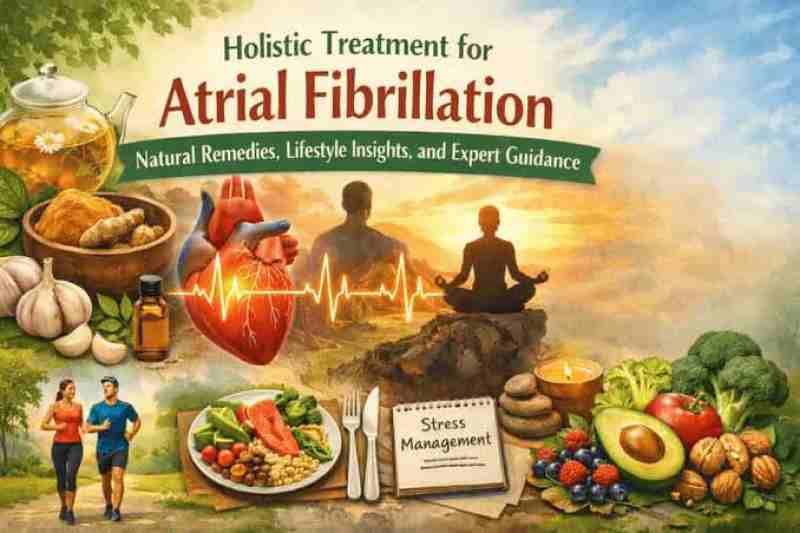
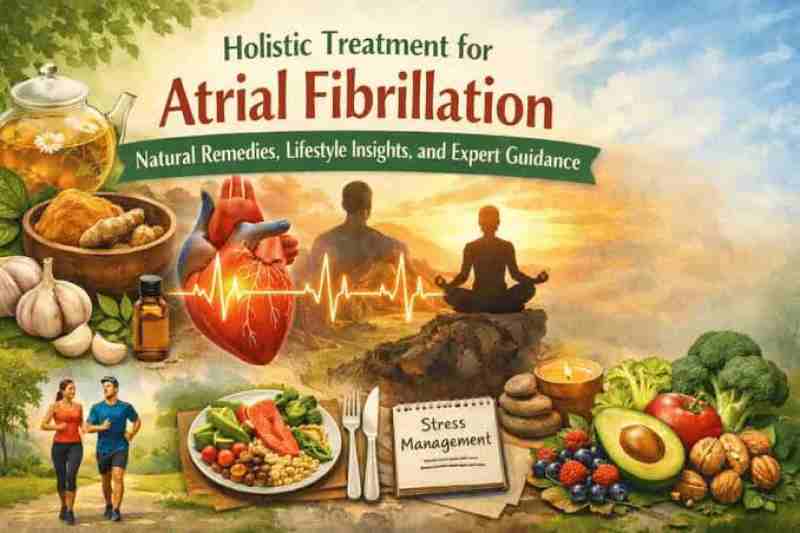
People often explore natural support after reading about Natural Treatment for Atrial Fibrillation, especially when palpitations or irregular heartbeat cause anxiety. Herbal approaches do not cure rhythm disorders, but they may support nervous system calm and overall heart resilience.
Key herbal supplements linked to cardiovascular support
I discuss commonly used herbs based on clinical observation, traditional use, and modern research. Always consult a healthcare professional before starting supplements, especially if you take prescription medication.
Hawthorn (Crataegus species)
Hawthorn stands among the most researched heart-supporting herbs.
Potential benefits include:
- Improved coronary blood flow
- Support for heart muscle contraction efficiency
- Reduced symptoms of mild heart failure
Hawthorn works gently and suits long-term use under medical guidance. It supports circulation without forcing blood pressure changes.
Garlic (Allium sativum)
Garlic offers strong cardiovascular support through multiple pathways.
It may help:
- Support healthy cholesterol levels
- Improve blood vessel elasticity
- Reduce platelet stickiness
People often underestimate garlic due to its familiarity, but research supports its consistent use for heart health.
Turmeric (Curcuma longa)
Turmeric supports cardiovascular health through anti-inflammatory and antioxidant activity.
Curcumin, its active compound, supports:
- Reduced arterial inflammation
- Improved endothelial function
- Protection against oxidative damage
Absorption improves when taken with black pepper extract.
Ginger (Zingiber officinale)
Ginger supports circulation and metabolic health.
It may help:
- Improve blood flow
- Support healthy blood sugar balance
- Reduce inflammatory markers
Ginger suits people with cold extremities or sluggish digestion alongside cardiovascular concerns.
Green tea extract (Camellia sinensis)
Green tea provides polyphenols that support vascular health.
Regular intake may support:
- Reduced LDL oxidation
- Improved arterial flexibility
- Metabolic balance
Caffeine-sensitive individuals should choose decaffeinated extracts.
Coenzyme Q10 (CoQ10)
Although not a herb, CoQ10 often appears in herbal supplement blends.
It supports:
- Cellular energy production in heart muscle
- Reduced statin-associated muscle discomfort
- Improved exercise tolerance
CoQ10 levels decline with age and certain medications.
Herbal supplements and heart rhythm concerns
Many people seek natural options after experiencing palpitations, skipped beats, or rhythm irregularities. Articles discussing Natural Remedies for Atrial Fibrillation often highlight herbs that support nervous system calm and electrolyte balance.
Magnesium-rich herbs and calming botanicals may support:
- Reduced stress-triggered palpitations
- Improved sleep quality
- Nervous system stability
I stress again: rhythm disorders require medical supervision. Herbal support complements, but does not replace, cardiology care.
Safety considerations you must take seriously
Herbal supplements influence physiology. Safety matters as much as potential benefit.
Medication interactions
Some herbs interact with:
- Blood thinners
- Blood pressure medications
- Anti-arrhythmic drugs
- Statins
Always disclose supplement use to your doctor or pharmacist.
Quality and sourcing
Choose supplements that:
- Provide standardised extracts
- Undergo third-party testing
- List active compounds clearly
Low-quality products may contain contaminants or inconsistent dosing.
Appropriate dosing
More does not mean better. Excessive intake may cause:
- Blood pressure changes
- Digestive upset
- Increased bleeding risk
Follow evidence-based dosing guidelines.
Lifestyle foundations that make herbal support effective
Herbal supplements work best when lifestyle factors support cardiovascular health.
Nutrition
Focus on:
- Vegetables, fruit, legumes, and whole grains
- Healthy fats from olive oil and nuts
- Reduced processed food and sugar intake
Physical activity
Aim for:
- Regular walking
- Strength training twice weekly
- Gentle stretching and balance work
Movement improves circulation and heart efficiency.
Stress management
Chronic stress strains the heart. Consider:
- Breathing exercises
- Mindfulness practices
- Adequate sleep routines
Herbs that support calm work better when stress reduces.
Who benefits most from herbal cardiovascular support?
Herbal supplements may suit:
- Adults with mild blood pressure elevation
- People managing cholesterol naturally
- Those seeking preventive heart support
- Individuals experiencing stress-related heart symptoms
They do not suit everyone. Personal medical history guides safe use.
The role of preventive heart care
Preventive care reduces the risk of serious cardiovascular events. Herbs support prevention by protecting blood vessels and reducing long-term strain.
Many people exploring Best Herbal Supplements in the UK for Daily Health aim to support heart function before problems arise. Prevention works best when started early and sustained consistently.
Common myths about herbal supplements and heart health
“Herbal means completely safe”
Natural does not mean harmless. Respect dosing and interactions.
“Herbs cure heart disease”
Herbs support function; they do not cure structural heart disease.
“I can stop medication if I take supplements”
Never stop prescribed medication without medical advice.
Questions patients often ask me
Can I take herbs long-term?
Yes, many herbs suit long-term use with supervision.
Do herbal supplements work immediately?
Most work gradually over weeks rather than days.
Can I combine several heart-supporting herbs?
Combination formulas may help, but professional guidance prevents interactions.
Final thoughts on herbal supplements and cardiovascular function
Herbal supplements support cardiovascular function through improved circulation, antioxidant protection, inflammation control, and nervous system balance. They work best as part of a broader health strategy that includes medical care, nutrition, movement, and stress management.
I encourage informed, cautious use grounded in evidence rather than marketing promises. Your heart supports every moment of life—treat it with respect, consistency, and care.
Source:
Click for the: Full Story
You might like







You Might Like this