Close Menu
 World
 Biography
 Health
 Education
 Business
 Lifestyle
 Sports
 Technology
 Animals
 History
 Food
 Religious
 Startups
 Movies
 Politics
 Fashion
 Covid
 Diet
 Fitness
 Marketing
 Travel
 Science
 Reviews
 Social media
 Stories
 Facts
 Art
 Entertainment
john rock

Business
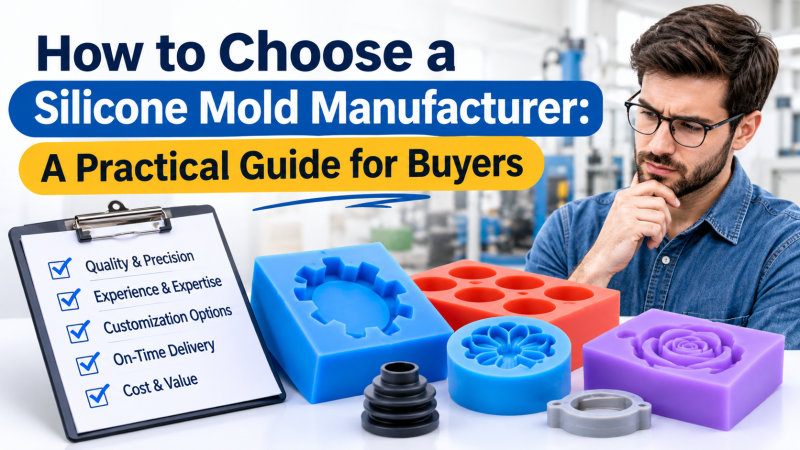
How to Choose a Silicone Mold Manufacturer: A Practical Guide for Buyers
 john rock
Choosing a silicone mold manufacturer is one of the most important decisions for any product brand, craft business, or industrial buyer. The right partner shapes product quality, delivery speed, and long-term costs. A poor choice can lead to warped parts, missed deadlines, and wasted tooling budgets. Many buyers compare quotes without checking materials, process control, or design support. This guide explains what to evaluate, which questions to ask, and how to avoid common mistakes before you commit to your first production order.
Why Engineering Support Matters
A skilled custom mould maker does far more than cut cavities into a block. Strong manufacturers study your design, check wall thickness, and flag problem areas such as sharp corners or deep undercuts before tooling begins. This early review prevents expensive revisions later. It also helps the final silicone part release cleanly and hold detail across thousands of cycles. When you speak with a potential supplier, notice whether they ask about your end use, production volume, and surface finish. Detailed questions usually signal real engineering experience and a careful approach.
Key Factors to Evaluate
- Material grade, such as platinum-cure or food-grade silicone
- Tooling experience with your part geometry
- Quality checks and inspection records
- Sample and prototype policy
- Minimum order quantity and lead time
Design Approval and Prototyping
Every project is different, so a customized silicone mould should start from your drawing, sample, or concept. Ask whether the supplier offers 3D modelling, prototype samples, and written approval stages. Clear communication at this step avoids confusion about dimensions, hardness, and colour. A reliable factory will also explain which silicone type suits your product, whether that is platinum-cure for food contact or tin-cure for general casting. Request a sample before bulk production. Testing a physical piece shows you the real surface quality, tear strength, and flexibility.
Materials and Quality Control
Material quality decides how long custom silicone molds last in daily use. Low-grade silicone can yellow, tear, or leave an oily residue on finished products. Ask suppliers for material data sheets and test reports, especially for food, medical, or cosmetic applications. Look for certifications such as FDA or LFGB where relevant. Consistent Shore hardness, clean curing, and tight tolerances also matter. A trustworthy manufacturer inspects each batch, records results, and shares them on request, which gives you confidence that every mold performs the same way.
Quality checklist:
- Material data sheets and certificates
- Shore hardness and tear strength testing
- Dimensional inspection reports
- Batch records for repeat orders
Pricing, Lead Time, and Red Flags
Price should never be the only deciding factor when you hire a custom mould maker. A low quote may hide thin tooling, weak materials, or slow communication. Compare what each quote includes, such as design review, samples, packaging, and shipping. Ask about the minimum order quantity and the expected lead time for tooling and production. Reliable suppliers share clear timelines and update you at each stage. Paying slightly more for dependable service often saves money by avoiding rework, delays, and rejected shipments.
Red flags to avoid:
- No samples or prototypes offered
- Vague answers about materials
- No written timeline or quote breakdown
- Unwillingness to share past project examples
Industry Experience Counts
Industry experience adds real value when you shortlist suppliers. Experienced partners such as Krishani begin by understanding your application before recommending a material or tooling approach. Ask for case studies, client references, or photos of past projects similar to yours in size and complexity. A customized silicone mould for a medical part needs different handling than one for a candle or soap. Suppliers who explain these differences clearly are usually better prepared to deliver consistent results across repeat orders and long-term production runs.
Conclusion
Finding the right partner takes research, but the effort pays off in better products and fewer surprises. Focus on engineering support, material quality, clear communication, and proven experience instead of price alone. Request samples, compare quotes carefully, and ask detailed questions before signing any agreement. With a clear checklist, sourcing custom silicone molds becomes a confident, low-risk process. Take your time, verify claims, and choose a supplier who treats your project like their own. The right decision today protects your quality and your brand for years.
Frequently Asked Questions
1. What services does a silicone mould supplier provide?
A supplier typically offers design review, tooling, prototype samples, and bulk production. Many also support packaging and shipping.
2. How long does custom mould production take?
Timelines depend on design complexity and order size. Many projects take a few weeks from approval to delivery, so always confirm in writing.
3. Which silicone is best for food-safe moulds?
Platinum-cure, food-grade silicone with FDA or LFGB certification is the common choice for food contact products.
4. Should I order a sample first?
Yes. A sample lets you check surface finish, flexibility, and fit before you invest in full production.
5. What information should I share for a quote?
Send your drawing or 3D file, dimensions, hardness, colour, quantity, and end use for an accurate quote.
Source:
Click for the: Full Story
You might like