Close Menu
 World
 Biography
 Health
 Education
 Business
 Lifestyle
 Sports
 Technology
 Animals
 History
 Food
 Religious
 Startups
 Movies
 Politics
 Fashion
 Covid
 Diet
 Fitness
 Marketing
 Travel
 Science
 Reviews
 Social media
 Stories
 Facts
 Art
 Entertainment
servinsky

Business
How to Identify Early Warning Signs of Structural Damage in a Home
 servinsky
Structural Inspections Services in Holland can help homeowners identify potential problems before minor issues develop into expensive structural repairs. A home may appear perfectly sound from the outside while developing concerns involving the foundation, walls, floors, roof framing, or other load-bearing components. Learning to recognize early warning signs can help homeowners respond promptly, protect the property, and maintain a safe living environment.
Structural damage does not always happen suddenly. In many cases, it develops gradually because of soil movement, water intrusion, aging materials, weather exposure, poor drainage, or previous modifications. Regular observation and professional evaluation can help determine whether visible changes are normal maintenance concerns or signs of a more significant structural issue.
1. Cracks in Foundation Walls
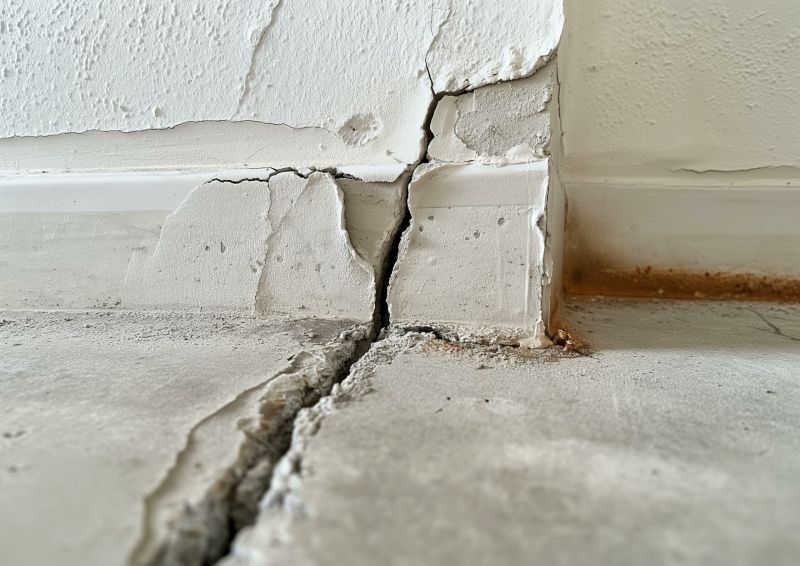
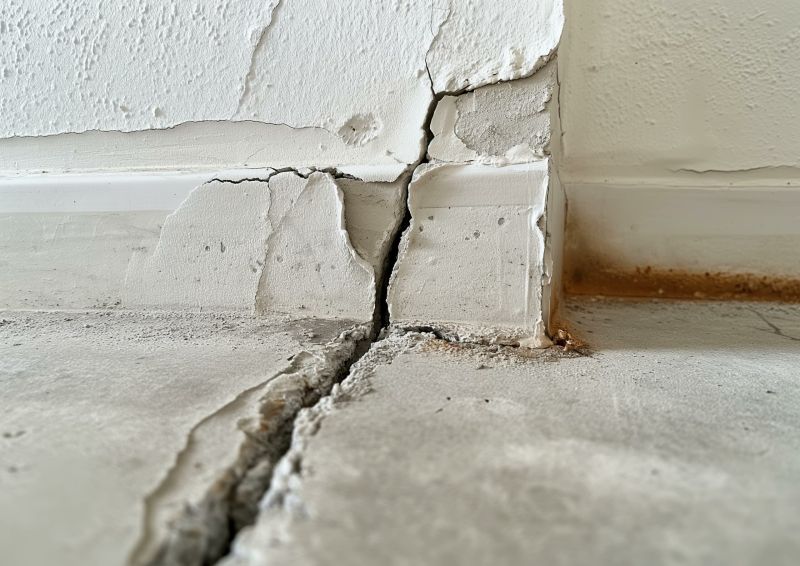
Foundation cracks are among the most noticeable warning signs homeowners may encounter. Not every crack indicates serious structural damage, as concrete can develop small cracks due to shrinkage and normal aging.
However, certain cracks deserve closer attention. Horizontal cracks, large vertical cracks, stair-step cracks in masonry, or cracks that continue to grow may indicate movement or pressure affecting the foundation.
Homeowners should also pay attention to cracks accompanied by water intrusion, uneven floors, or doors and windows that suddenly become difficult to operate. A professional evaluation can help determine whether the crack is cosmetic or potentially related to foundation movement.
2. Uneven or Sloping Floors
Floors that feel noticeably uneven, slope toward one side, or have developed unexpected dips may indicate changes in the supporting structure.
Several factors can cause uneven floors, including foundation settlement, damaged floor joists, moisture-related deterioration, or changes in supporting walls and beams.
An uneven floor does not automatically mean the foundation is failing. However, if the condition is new, worsening, or accompanied by other warning signs, it should be investigated.
Residential Structural Inspections in Holland can help homeowners understand whether unusual floor movement may be connected to a structural concern.
3. Doors and Windows That Stick
Doors and windows that suddenly become difficult to open or close can sometimes indicate changes in the surrounding structure. Seasonal humidity can affect wooden components, so occasional sticking is not necessarily a structural problem.
However, persistent changes throughout the home may deserve attention. If several doors or windows become misaligned at approximately the same time, the underlying cause could involve settlement or movement of walls and framing.
Look for gaps around frames, doors that no longer close evenly, or windows that appear visibly out of alignment.
4. Cracks Around Doors and Windows
Cracks around window and door openings can provide useful clues about movement within a home. Cracks extending diagonally from the corners of openings may sometimes indicate stress in the surrounding wall system.
The size, direction, location, and progression of a crack are all important. A single small surface crack may be related to normal material movement, while multiple expanding cracks may warrant professional evaluation.
Homeowners should document changes with photographs and dates so they can determine whether a crack is stable or becoming more noticeable.
5. Sagging Ceilings or Roof Lines
A visibly sagging ceiling can indicate problems with roof framing, floor systems, moisture damage, or overloaded structural components.
Roof lines should also be observed from outside. A noticeable dip or uneven section may suggest problems with rafters, trusses, beams, or supporting walls.
Water intrusion can make these problems worse by weakening wood framing over time. If a ceiling or roof appears to be changing shape, homeowners should have the condition evaluated rather than simply repairing the visible surface.
6. Gaps Between Walls and Ceilings
Small gaps can develop as materials expand and contract, but larger or growing separations between walls and ceilings may indicate movement.
Pay attention to areas where walls appear to pull away from ceilings, floors, or adjacent walls. Separation around corners can also provide evidence that different portions of the structure are moving.
These signs are especially important when they occur alongside foundation cracks, uneven floors, or doors and windows that are becoming misaligned.
7. Water Damage and Moisture Problems
Water is a major threat to structural materials. Leaking roofs, damaged gutters, poor drainage, plumbing leaks, and basement water intrusion can expose framing and other components to prolonged moisture.
Wood framing that remains damp for extended periods can deteriorate, while metal components may experience corrosion. Moisture can also create conditions that contribute to other forms of material damage.
Homeowners should investigate the source of water rather than simply repairing stains or replacing damaged finishes. Correcting the underlying moisture problem is an important part of protecting the structure.
8. Foundation Settlement and Exterior Changes
Changes around the outside of the home can sometimes reveal structural movement. Look for gaps between exterior walls and attached structures, cracked masonry, uneven porches, or separation around additions.
Settlement may occur when soil beneath part of a building compresses or changes. Drainage problems and variations in soil moisture can contribute to movement in some situations.
If exterior changes are accompanied by interior cracks or uneven floors, a professional assessment may be appropriate.
9. Damaged or Deteriorating Structural Wood
During renovations or routine maintenance, homeowners may gain access to previously concealed framing. This provides an opportunity to check for visible deterioration.
Look for:
- Soft or damaged wood
- Rot
- Cracks or splits
- Insect-related deterioration
- Water staining
- Improper modifications
- Unusual deflection
Structural wood that has been weakened by moisture or other damage may no longer perform as originally intended.
10. Previous Renovations That Changed the Structure
Previous remodeling work can sometimes affect a home's structural system. Removing walls, creating larger openings, modifying roof framing, adding rooms, or converting garages and attics can change how loads move through the building.
If previous work was completed without adequate structural planning, problems may become more noticeable over time.
Homeowners considering another renovation should understand what changes were made previously. Residential Structural Inspections in Holland can be useful when a property has undergone extensive modifications and the condition of structural components is uncertain.
11. When Should You Seek a Professional Inspection?
Homeowners should consider professional evaluation when warning signs are persistent, worsening, or appearing in several areas of the property.
An inspection can be particularly useful when there are:
- Significant or expanding foundation cracks
- Noticeably sloping floors
- Sagging ceilings or roof lines
- Multiple misaligned doors and windows
- Major water damage
- Visible structural deterioration
- Concerns about previous renovations
- Plans for major additions or structural changes
A professional assessment can help distinguish between ordinary maintenance issues and conditions that may require structural repairs.
FAQs
1. Are cracks in a home's walls always a sign of structural damage?
No. Small cracks can result from normal material shrinkage, settlement, temperature changes, or aging. However, large, growing, horizontal, stair-step, or recurring cracks should be evaluated, particularly when they appear alongside other signs of movement.
2. When should I consider Residential Structural Inspections in Holland?
A structural inspection may be appropriate when a home shows foundation movement, uneven floors, significant cracks, water-related deterioration, roof or framing concerns, or evidence of previous structural modifications. It can also be useful before major renovations or additions.
3. Can homeowners identify structural problems themselves?
Homeowners can identify warning signs, but determining the underlying cause often requires professional evaluation. Visible symptoms may have several possible causes, so an inspection can provide a more reliable understanding of the condition.
Conclusion
Recognizing early warning signs of structural damage can help homeowners address problems before they become more complicated and expensive. Foundation cracks, uneven floors, sticking doors, damaged framing, sagging ceilings, water intrusion, and separation between building components should not automatically be considered major failures, but persistent or worsening changes deserve attention.
Professional Structural Inspections Services in Holland can help property owners better understand the condition of important structural components and determine whether further evaluation or repairs are necessary. Regular observation combined with appropriate professional inspections can provide valuable protection for one of the most important investments a homeowner can make.
For homeowners considering Residential Structural Inspections in Holland, the key is to act when warning signs first appear rather than waiting for visible damage to become severe. Early attention can support better maintenance decisions, improve safety, and help preserve the long-term condition of the home.
Source:
Click for the: Full Story
You might like