Close Menu
 World
 Biography
 Health
 Education
 Business
 Lifestyle
 Sports
 Technology
 Animals
 History
 Food
 Religious
 Startups
 Movies
 Politics
 Fashion
 Covid
 Diet
 Fitness
 Marketing
 Travel
 Science
 Reviews
 Social media
 Stories
 Facts
 Art
 Entertainment
Evie Ily

Business
Understanding the Causes of Ant Infestations and Effective Prevention Methods
 Evie Ily
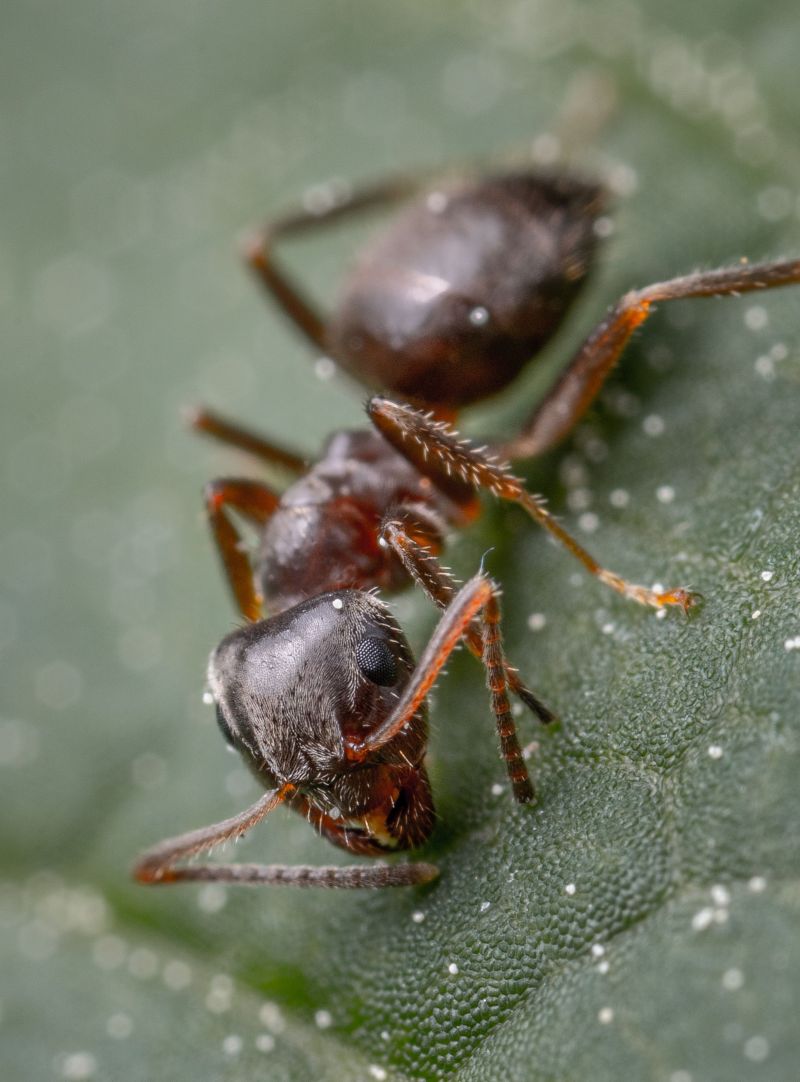
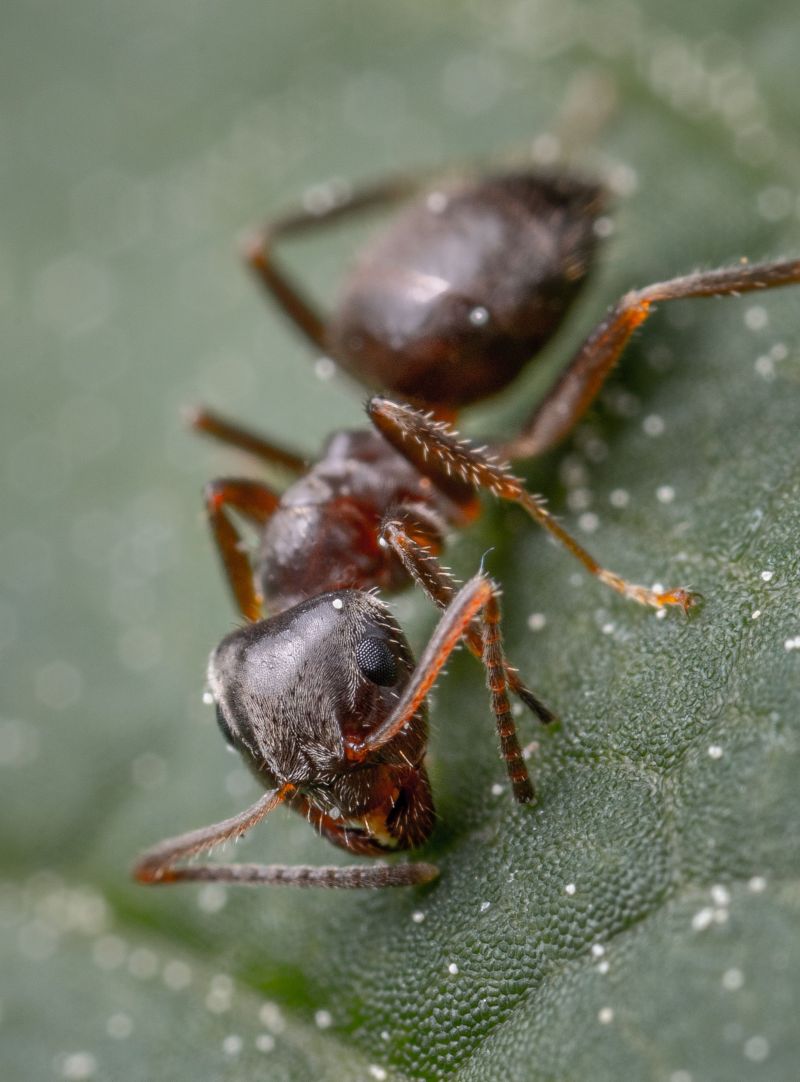
Ants are highly adaptable insects that can establish colonies in gardens, residential buildings and commercial properties. They often enter homes while searching for food, moisture and protected nesting locations. Although a few ants may not initially seem like a serious concern, repeated sightings can indicate an established colony nearby. Ant Pest Control Melbourne helps property owners understand common infestation patterns and the importance of addressing ant activity before it becomes widespread. Choosing appropriate ant control Frankston can help residents manage unwanted insect activity and maintain cleaner surroundings.
Why Do Ants Keep Coming Back?
Ants are organised insects that work together to support their colonies. Worker ants regularly travel away from their nests to locate food and water. When they discover a reliable source, they can leave chemical trails that guide other members of the colony towards it.
This explains why ants may continue appearing in the same locations, even after visible insects have been removed. If the original food source or nesting location remains undisturbed, additional workers may follow the established route.
Common attractants include uncovered food, sugary spills, pet food, rubbish and moisture around plumbing fixtures. Removing these attractants is an important part of reducing repeated ant activity.
Common Areas Where Ants Are Found
Ants can establish nests in a variety of indoor and outdoor environments. Their preferred locations depend on the species and the surrounding conditions.
Some common areas include:
· Garden beds and lawn edges.
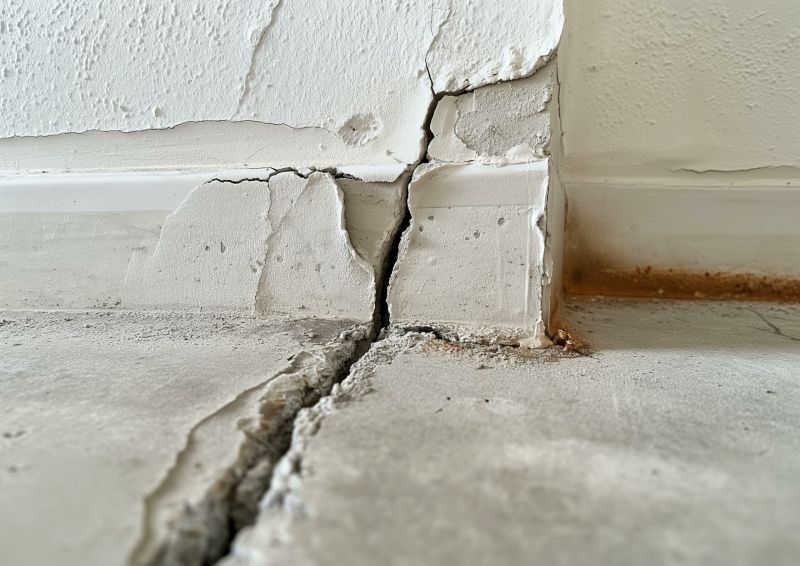
· Gaps beneath concrete pathways.
· Cracks around paving and retaining walls.
· Spaces near building foundations.
· Wall cavities and structural openings.
· Areas beneath kitchen cupboards and appliances.
Outdoor nests may be visible through small soil mounds or regular ant trails. Indoor colonies can be more difficult to identify because the nesting area may be concealed behind walls or beneath flooring.
The Importance of Identifying the Ant Species
Different ant species have different feeding preferences, nesting behaviours and colony structures. Some are attracted mainly to sweet substances, while others search for protein-based foods or greasy residues.
Correct identification helps determine which management approach is appropriate. Applying the wrong treatment may only provide temporary relief and could make the infestation more difficult to understand.
A professional inspection can help establish the type of ant involved, locate likely nesting areas and identify conditions contributing to the problem.
Addressing Recurring Ant Problems in Croydon
Ant activity can become noticeable around kitchens, bathrooms, gardens and outdoor entertainment spaces. Repeated sightings may indicate that ants have found suitable nesting conditions or an accessible food source close to the property.
In Croydon, residential properties with established gardens and outdoor spaces may experience ant activity around soil, paving and building foundations. Homeowners dealing with recurring infestations can explore ant pest control Croydon to understand suitable local pest management options.
A targeted approach can help address the source of the problem rather than concentrating only on visible ants.
Practical Steps to Reduce Indoor Ant Activity
Maintaining a clean indoor environment is one of the simplest ways to discourage ants. Food should be stored in airtight containers, and kitchen surfaces should be cleaned regularly to remove crumbs and sticky residues.
Pay particular attention to areas beneath refrigerators, ovens and kitchen appliances, where food particles can accumulate unnoticed.
Rubbish bins should be emptied regularly and cleaned when necessary. Pet food should not remain exposed for extended periods, and spills should be removed promptly.
Moisture control is equally important. Repair leaking taps, inspect plumbing connections and ensure that bathrooms and laundries remain properly ventilated.
Preventing Ants Around Gardens and Outdoor Spaces
Outdoor maintenance can help reduce the conditions that encourage ants to establish nests near buildings.
Trim plants that touch exterior walls and remove unnecessary garden debris. Inspect areas around paving, retaining walls and outdoor storage spaces for signs of ant activity.
Avoid allowing water to collect around garden beds and building foundations. Proper drainage can reduce excess moisture and help maintain a less attractive environment for certain pest species.
Keeping outdoor dining areas clean is also important. Food scraps, drink spills and uncovered rubbish can attract worker ants and encourage them to establish regular feeding routes.
Why Professional Treatment Can Be Beneficial
When ant activity continues despite preventative measures, professional pest management may be necessary. Some colonies are located in concealed areas that cannot be effectively addressed using ordinary household products.
A professional assessment can identify potential entry points, investigate nesting locations and recommend treatment options based on the infestation.
The appropriate approach should consider the ant species, property layout and household safety requirements. Property owners should always follow treatment instructions and avoid using insecticides in ways that are inconsistent with their product labels.
Building a Consistent Ant Prevention Routine
Long-term prevention depends on regular property maintenance. Inspect kitchens, storage spaces, garages and outdoor areas for signs of returning activity.
Seal suitable openings around doors and windows, maintain clean food storage areas and address plumbing issues promptly. Monitoring previously affected locations can also help identify new activity at an early stage.
Taking these precautions can reduce the likelihood of recurring infestations and support a healthier living environment.
Conclusion
Effective ant management starts with understanding why these insects enter properties and where they are likely to establish colonies. Regular cleaning, secure food storage, moisture control and garden maintenance can all help reduce attractive conditions. When ants continue returning, professional pest management can help identify the source and determine suitable treatment methods. Property owners in Mitcham can also explore ant control Mitcham for information about local ant management solutions. Combining preventative habits with appropriate professional assistance can help keep residential properties cleaner and less vulnerable to recurring pest activity.
Source:
Click for the: Full Story
You might like