Close Menu
 World
World
 Biography
 Health
 Education
 Business
 Lifestyle
 Sports
 Technology
 Animals
 History
 Food
Food
 Religious
 Startups
 Movies
 Politics
 Fashion
 Covid
Covid
 Diet
Diet
 Fitness
 Marketing
 Travel
 Science
 Reviews
 Social media
 Stories
 Facts
Facts
 Art
Art
 Entertainment
Emma Hayes

Business
How to Select Valve Position Indicator Manufacturers for Industrial Applications
 Emma Hayes
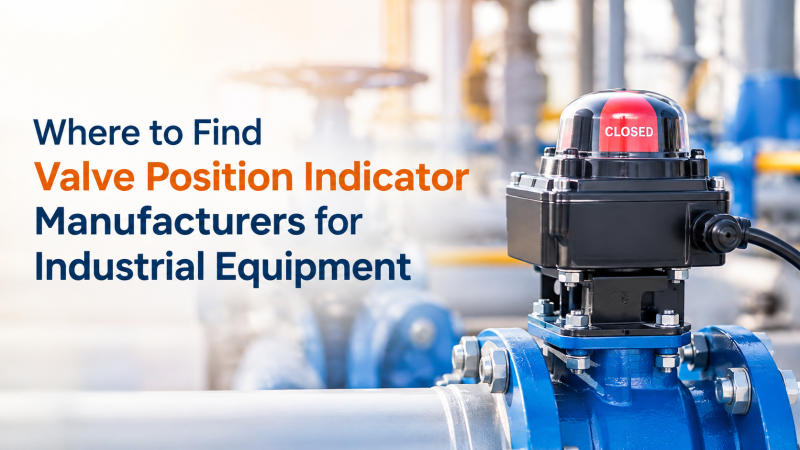
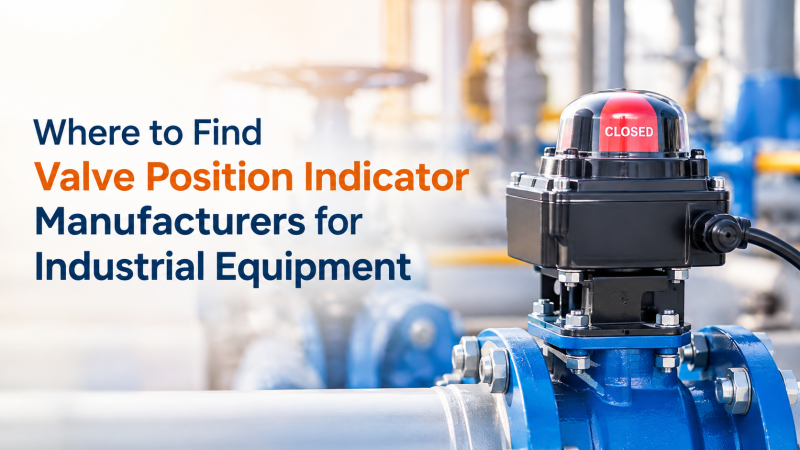
Selecting the right valve position indicator is important for maintaining the performance and reliability of industrial equipment. These components help operators identify valve positions and monitor equipment in manufacturing plants, water treatment facilities, chemical processing units, and other industrial environments.
When sourcing these components, buyers need to consider more than price and availability. Compatibility, technical specifications, product documentation, and manufacturer support all play a role in choosing a suitable product. Understanding these factors can help maintenance teams and purchasing professionals make informed decisions.
What Is a Valve Position Indicator?
A valve position indicator is a device that shows whether a valve is open, closed, or positioned between these two states. Depending on its design, it may provide a visual indication or send position feedback to an automated control system.
These devices are used with different types of valves and actuators in industrial processes. They help operators check valve status during routine inspections, equipment maintenance, and system troubleshooting.
Before choosing a product, buyers should identify the valve type, actuator configuration, mounting requirements, and whether the application needs visual indication or electrical feedback.
How to Select Valve Position Indicator Manufacturers
Finding suitable valve position indicator manufacturers starts with understanding the requirements of the intended application. Different industrial systems may require different indicator designs, mounting configurations, and operating capabilities.
Here are several factors to consider when evaluating potential manufacturers.
1. Check Product Compatibility
The first step is to confirm that the indicator is compatible with the existing valve or actuator. Mounting dimensions, shaft configuration, and connection requirements can vary between equipment models.
Review the equipment documentation and existing part number before selecting a replacement. This can help reduce installation issues and avoid purchasing an incompatible component.
2. Review Technical Specifications
Technical specifications help determine whether a valve position indicator is suitable for a particular industrial environment. Depending on the application, buyers may need to check operating temperature, enclosure protection, indication type, electrical connections, and feedback signals.
For equipment exposed to dust, moisture, vibration, or corrosive substances, verify that the product meets the relevant environmental requirements.
3. Evaluate Product Quality and Documentation
Reliable product documentation makes it easier to verify specifications and confirm that a component meets the requirements of the application. Buyers should review available technical datasheets, installation instructions, material information, and applicable certifications where required.
It is also helpful to confirm the manufacturer's ability to provide consistent product information and support replacement requirements.
4. Compare Availability and Lead Times
Industrial maintenance schedules often depend on obtaining the correct replacement parts within a specific timeframe. Before selecting a manufacturer or supplier, confirm product availability, estimated delivery time, minimum order quantities, and any applicable purchasing conditions.
If the component is needed for urgent maintenance, provide the exact part number and required delivery date when requesting a quotation.
Where to Find Valve Position Indicator Manufacturers
Industrial buyers can research potential manufacturers through manufacturer directories, industrial distributors, and online product catalogs. These resources can help identify relevant product categories and provide a starting point for comparing available options.
Internet of Purchasing offers a valve position indicators catalog that buyers can explore when researching components for industrial equipment.
When evaluating potential sources, verify that the listed products match your technical requirements. A catalog can help with initial research, but product specifications and availability should be confirmed before placing an order.
How Industrial Product Catalogs Help Buyers
Industrial equipment maintenance often involves several component categories. Along with valve position indicators, a project may require fasteners, mounting hardware, connectors, or other replacement parts.
Using an industrial products catalog allows buyers to explore different product categories and organize their sourcing research. For example, buyers may also need industrial fastener parts for assembly, repair, or equipment installation.
Before requesting a quotation, prepare a list of required components, quantities, part numbers, and technical specifications. This makes it easier to communicate requirements and compare suitable sourcing options.
How to Evaluate Industrial Parts Manufacturers
When comparing industrial parts manufacturers, buyers should review their product range, technical documentation, quality processes, and ability to meet specific application requirements.
A manufacturer directory can help buyers research companies associated with industrial components. Internet of Purchasing provides a manufacturer directory that can be used as a starting point when exploring potential sources.
Before making a purchasing decision, confirm the manufacturer's relevant product capabilities, documentation, lead times, and support options. If a particular brand or model is required, verify that the offered component matches the equipment specifications.
Once the requirements are confirmed, buyers can submit an RFQ with the required part number, quantity, and technical details to request pricing and availability information.
Conclusion
Selecting valve position indicator manufacturers requires careful consideration of compatibility, technical specifications, product quality, and availability. By reviewing these factors before purchasing, industrial buyers can identify components that suit their equipment and maintenance requirements.
Product catalogs and manufacturer directories can simplify the research process, especially when several types of industrial parts are needed. Providing accurate specifications when requesting quotations also helps buyers compare options and make informed sourcing decisions.
Frequently Asked Questions
1. How do I choose the right valve position indicator manufacturer?
Compare product compatibility, technical specifications, available documentation, quality requirements, lead times, and technical support. Confirm that the manufacturer's product meets the needs of your valve or actuator before placing an order.
2. What specifications should I check before buying a valve position indicator?
Check the valve and actuator configuration, mounting dimensions, indication type, electrical connections, operating temperature, and environmental protection requirements. The exact specifications depend on the intended application.
3. Where can I find valve position indicator manufacturers for industrial equipment?
You can research manufacturers through industrial directories, distributors, and product catalogs. The Internet of Purchasing valve position indicators catalog is one resource for exploring this product category and identifying relevant sourcing options.
4. What information should I provide when requesting a valve position indicator quotation?
Provide the part number, manufacturer name if known, required quantity, technical specifications, and delivery requirements. Additional equipment details or photographs may help clarify the component needed and reduce sourcing errors.
Source:
Click for the: Full Story
You might like