Close Menu
 World
 Biography
 Health
 Education
 Business
 Lifestyle
 Sports
 Technology
 Animals
 History
 Food
 Religious
 Startups
 Movies
 Politics
 Fashion
 Covid
 Diet
 Fitness
 Marketing
 Travel
 Science
 Reviews
 Social media
 Stories
 Facts
 Art
 Entertainment
Claire Adams

Business
How Wheel Alignment Helps Extend Tire Life and Improve Safety
 Claire Adams
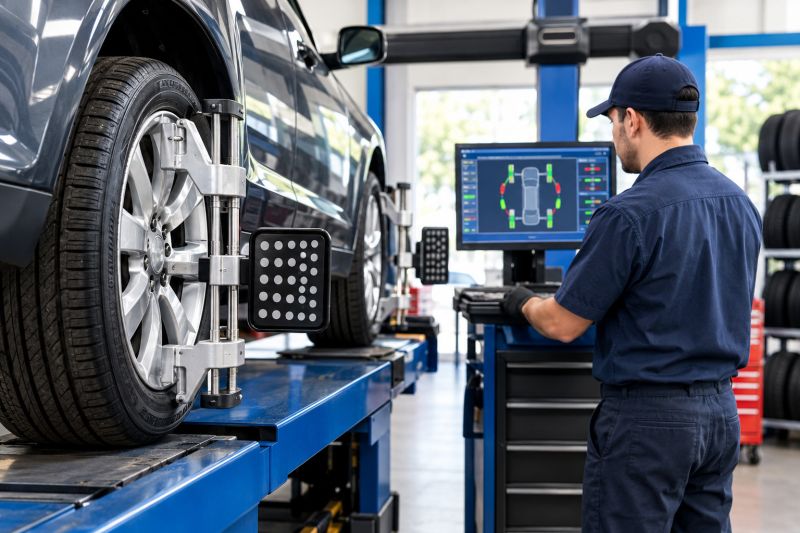
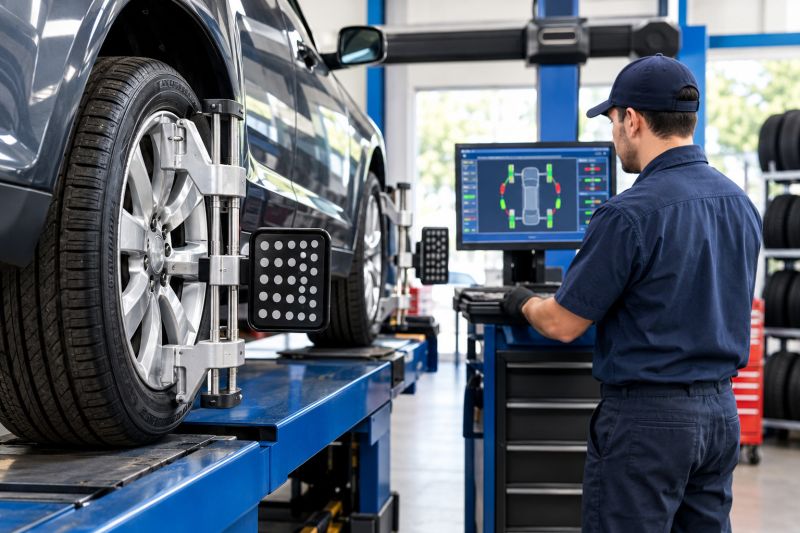
Your tires play an essential role in how your vehicle accelerates, turns, and stops. However, even quality tires can wear out sooner than expected when your wheels are not aligned correctly. Regular wheel alignment checks help maintain proper tire positioning, support stable handling, and reduce avoidable tire wear.
For drivers who want to maintain their vehicles for the long term, alignment should be an important consideration alongside tire pressure checks, tire rotations, and routine inspections.
How Does Wheel Alignment Affect Tire Life?
Wheel alignment ensures that your vehicle's wheels sit at the angles recommended by the manufacturer. When these angles are incorrect, the tires may not roll as intended. Instead, parts of the tread can experience excessive friction against the road.
This may cause several types of uneven wear. For example, incorrect toe settings can contribute to feathered tread wear, while certain camber problems can cause one edge of a tire to wear faster than the other.
Uneven wear reduces the useful life of your tires and may require you to replace them earlier than planned. Keeping alignment within the recommended specifications helps promote more even tread wear, although tire pressure, driving habits, road conditions, and suspension health also affect tire longevity.
Can Proper Alignment Improve Driving Safety?
Yes. Correct wheel alignment supports predictable steering and handling. When the wheels are properly positioned, your vehicle is better able to track as intended by its manufacturer.
Misalignment may cause your car to drift or pull to one side. Drivers may compensate by constantly correcting the steering wheel, which can make longer journeys more tiring. In certain cases, uneven tire wear can also affect traction and handling.
However, wheel alignment is only one part of vehicle safety. Healthy tires, correct tire pressure, working brakes, and properly maintained suspension components are equally important.
Common Signs of Misaligned Wheels
Watch for these indicators:
- Uneven wear across the tire tread.
- A steering wheel that is off-center on a straight road.
- Your car drifting or pulling to one side.
- Unusual steering behavior after hitting a pothole.
- Tires that appear to wear out faster than expected.
If you notice any of these issues, have your tires, steering, suspension, and alignment inspected rather than assuming alignment is the only cause.
What Can Cause Wheel Misalignment?
Potholes, road impacts, curb strikes, and worn steering or suspension components can affect alignment angles. Even if your vehicle looks normal from the outside, a professional alignment measurement may reveal a problem.
An alignment check can also be worthwhile after suspension repairs or when installing certain replacement components. Your technician can determine whether an adjustment is needed based on the vehicle's specifications and inspection results.
Protect Your Tires With Professional Service
Wheel alignment is a practical way to help protect your tire investment and maintain consistent handling. Regular checks can identify alignment problems before uneven wear becomes severe.
Patriot Express Tire & Oil serves drivers in Plano, Texas, with automotive maintenance services. If you have noticed unusual tire wear or steering problems, explore the available wheel alignment services to learn more about getting your vehicle inspected.
Combining proper alignment with tire rotations, pressure checks, and timely repairs can help your tires last longer and support a more confident driving experience.
Source:
Click for the: Full Story
You might like