



 Close Menu
 World
World
 Biography
 Health
 Education
 Business
 Lifestyle
 Sports
 Technology
 Animals
 History
 Food
Food
 Religious
 Startups
 Movies
 Politics
 Fashion
 Covid
Covid
 Diet
Diet
 Fitness
 Marketing
 Travel
 Science
 Reviews
 Social media
 Stories
 Facts
Facts
 Art
Art
 Entertainment
Steelman Gases Pvt. Ltd.

Business
Is NaOCL Sodium Hypochlorite a Good Choice for Industrial Applications?
 Steelman Gases Pvt. Ltd.
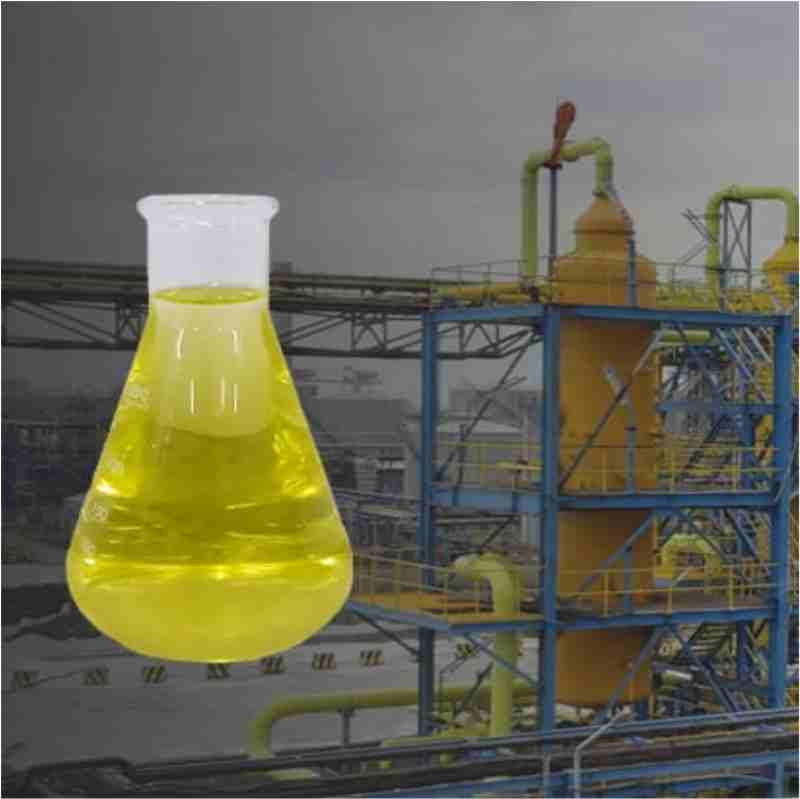
Industrial businesses need dependable chemical solutions for processes such as water treatment, sanitation, cleaning, disinfection, and bleaching. NaOCL Sodium Hypochlorite can be a good choice for many industrial applications because it provides effective disinfection and oxidation when used at the correct concentration. Its suitability depends on the specific process, required strength, contact time, equipment compatibility, and safety requirements.
It is commonly used across water treatment, wastewater management, manufacturing, food processing, and other industries. Choosing the right product and following proper handling procedures can help businesses achieve consistent results while maintaining workplace safety.
Key Takeaways
- NaOCL Sodium Hypochlorite is commonly used for disinfection, sanitation, and selected bleaching applications.
- Correct concentration and contact time are important for effective results.
- Proper storage and handling help maintain product quality and safety.
- Different industrial chemicals serve different purposes and should not be mixed without expert guidance.
- Product selection should be based on the specific requirements of each industrial process.
Why Is Sodium Hypochlorite Used in Industry?
One of the main reasons industries use sodium hypochlorite is its ability to help control microorganisms. When properly diluted, it can be used for disinfection and sanitation in several industrial environments.
Water treatment facilities use it to support microbial control, while manufacturing plants may use suitable solutions for sanitizing compatible surfaces and equipment. It can also have applications in textile processing and other industries where controlled bleaching or disinfection is required.
Another benefit is that it is available as a liquid, which can make dosing and handling convenient for many industrial systems. However, performance depends on factors such as concentration, contact time, pH, temperature, and the condition of the material being treated.
Understanding Related Industrial Chemicals
Different chemicals are designed for different industrial purposes. Hypo Chemical is generally associated with hypochlorite-based products used for applications such as disinfection, sanitation, and bleaching.
Sodium Hypochlorite Bleach is also used where bleaching or disinfecting properties are required. Concentrations can vary between products, so businesses should always check product specifications before use.
An Ammonia Cylinder serves different industrial purposes and is commonly associated with ammonia-based applications. It should not be treated as an alternative to sodium hypochlorite.
Likewise, Chlorine Gas is used in controlled industrial applications, including certain water treatment and chemical processing operations. It has different physical properties and requires specialized storage, monitoring, and handling procedures.
These products should never be mixed without qualified technical guidance. In particular, sodium hypochlorite must not be mixed with ammonia-containing materials or acids because hazardous gases may be produced.
Step-by-Step Guide
1. Identify the Application
First, determine whether the chemical is required for water treatment, sanitation, disinfection, bleaching, or another process. This helps establish the appropriate product and concentration.
2. Check Product Specifications
Review the concentration, available chlorine content, storage conditions, and technical information provided by the manufacturer.
3. Determine the Correct Dilution
Prepare the solution according to the manufacturer's instructions and the requirements of the application. Avoid using unnecessarily high concentrations.
4. Check Material Compatibility
Before use, confirm that tanks, pipes, equipment, and surfaces are compatible with the solution. Some materials may be affected by prolonged exposure.
5. Remove Heavy Contamination
For surface applications, remove visible dirt, oil, grease, and other deposits with a suitable cleaning product before disinfection.
6. Apply Properly
Use appropriate dosing equipment or application methods according to the industrial process. Employees should follow workplace procedures and use suitable protective equipment.
7. Allow Contact Time
Give the solution sufficient contact time to perform its intended function. The required time should be based on product instructions or a validated industrial procedure.
8. Monitor the Process
Regular monitoring of concentration, dosing, water quality, and other relevant factors can help maintain consistent performance.
9. Store Safely
Keep the product in suitable, clearly labeled containers and store it according to manufacturer recommendations. It should be separated from incompatible chemicals.
Safety Considerations
Safe handling is essential when working with industrial chemicals. Employees should receive appropriate training and use suitable personal protective equipment.
Storage areas should have proper labeling, ventilation, spill-response procedures, and emergency arrangements. Sodium hypochlorite should be kept away from acids, ammonia-containing products, and other incompatible substances.
An Ammonia Cylinder should never be connected to or stored with sodium hypochlorite in a way that could allow accidental mixing. Similarly, Chlorine Gas requires dedicated safety systems and should only be handled by trained personnel.
Businesses should always refer to the manufacturer's safety data sheet and technical documentation for detailed handling requirements.
Conclusion
NaOCL Sodium Hypochlorite can be an effective and practical choice for many industrial applications when it is used at the correct concentration and handled properly. Its common applications include water treatment, wastewater disinfection, industrial sanitation, cleaning support, and selected bleaching processes.
Before choosing a chemical, businesses should consider their specific process requirements, concentration needs, equipment compatibility, storage conditions, and safety procedures. Hypo Chemical and Sodium Hypochlorite Bleach can serve related applications, while an Ammonia Cylinder and Chlorine Gas are used for different industrial purposes.
With proper product selection, controlled dosing, safe storage, and trained handling, sodium hypochlorite can support reliable and efficient industrial operations.
FAQ Section
Is sodium hypochlorite suitable for industrial water treatment?
Yes. It is widely used for disinfection in water and wastewater treatment when properly dosed and monitored.
Can it be used for industrial cleaning?
It can support sanitation and disinfection. However, heavy grease, oil, and deposits may require a suitable detergent before disinfection.
Is Sodium Hypochlorite Bleach the same as sodium hypochlorite?
Sodium hypochlorite is the active chemical commonly found in bleach products, but formulations and concentrations can vary.
Can sodium hypochlorite be mixed with an Ammonia Cylinder product?
No. It should not be mixed with ammonia-containing products because hazardous gases can be produced.
Is Chlorine Gas the same as sodium hypochlorite?
No. They are different chemical products with different properties, applications, and handling requirements.
What is Hypo Chemical used for?
Hypochlorite-based chemicals are commonly used for disinfection, sanitation, bleaching, and water treatment applications.
What affects its effectiveness?
Concentration, contact time, pH, temperature, water quality, and the condition of the surface or process can affect performance.
How should it be stored?
It should be stored according to the manufacturer's recommendations in suitable containers and kept away from incompatible chemicals.
Source:
Click for the: Full Story
You might like








You Might Like this