


 Close Menu
 World
 Biography
 Health
 Education
 Business
 Lifestyle
 Sports
 Technology
 Animals
 History
 Food
 Religious
 Startups
 Movies
 Politics
 Fashion
 Covid
 Diet
 Fitness
 Marketing
 Travel
 Science
 Reviews
 Social media
 Stories
 Facts
 Art
 Entertainment
Dhiman Group

Business
Lollipop Wrapping Machine: Improving Efficiency in Modern Confectionery Production
 Dhiman Group
The confectionery industry continues to evolve as manufacturers look for better ways to improve production speed, maintain product quality, and meet changing consumer demands. From traditional hard candies to colorful lollipops, producing sweets at scale requires reliable machinery that can handle different manufacturing stages efficiently. A high-quality lollipop wrapping machine plays an important role in this process by protecting finished products, maintaining hygiene, and creating attractive packaging for retail markets.
For confectionery businesses, selecting suitable forming, cutting, and wrapping equipment can help reduce manual handling, improve consistency, and support long-term operational growth. Understanding how these machines work and how they fit into a production line makes it easier to choose equipment that meets specific manufacturing requirements.
Why a Lollipop Wrapping Machine Is Essential for Candy Manufacturers
Packaging is one of the final yet most important stages of lollipop production. Once the candy has been formed and cooled, it needs suitable wrapping to protect its quality during storage, transportation, and retail display.
A modern lollipop wrapping machine automates much of this process, helping manufacturers achieve consistent packaging while reducing dependence on manual labor. Depending on the machine design, it can support high-volume production and accommodate different wrapping materials and product specifications.
Key benefits include:
- Consistent packaging: Maintains a uniform appearance across production batches.
- Improved productivity: Reduces the time required to wrap individual lollipops.
- Better product protection: Helps protect candies from dust, moisture, and external contamination when appropriate packaging materials and seals are used.
- Reduced material waste: Accurate wrapping and cutting mechanisms can minimize packaging errors.
- Enhanced presentation: Creates a neat, professional finish that supports retail appeal.
For businesses supplying supermarkets, distributors, and confectionery retailers, reliable wrapping equipment can make a significant difference to daily production efficiency.
Automatic Cut and Flow Wrap Machine for Efficient Packaging
Manufacturers producing a wide variety of confectionery products often need versatile packaging equipment. An automatic cut and flow wrap machine combines product wrapping with controlled cutting, helping streamline packaging operations.
The machine typically feeds packaging film around products, forms a sealed wrapper, and separates individual packs through an integrated cutting mechanism. Exact capabilities depend on the model, product dimensions, and packaging configuration.
Benefits of Automated Cut and Flow Wrapping
An automatic system can help confectionery manufacturers improve packaging consistency while managing larger production volumes. It can also reduce repetitive manual tasks and make it easier to maintain standardized packaging across different batches.
Important considerations when selecting a machine include:
- Production speed and required output
- Product size, shape, and temperature
- Packaging film compatibility
- Sealing quality and cutting accuracy
- Ease of cleaning, operation, and maintenance
- Availability of technical support and spare parts
Choosing equipment according to actual production needs helps businesses avoid unnecessary operating costs and achieve better long-term value.
How a Cut and Flow Wrap Machine Supports Confectionery Production
A Cut and Flow Wrap Machine can be useful for manufacturers that need a practical packaging solution for compatible candies and other individually wrapped products. Its continuous film-handling process helps create uniform packs and supports integration into automated production lines.
For example, a confectionery manufacturer producing multiple batches each day may use flow wrapping to reduce packaging bottlenecks after the cooking, forming, and cooling stages. When the packaging equipment is properly matched to upstream production capacity, the entire line can operate more smoothly.
However, packaging performance depends on more than machine speed alone. Film quality, sealing temperature, product alignment, and regular maintenance all influence the finished result. Manufacturers should evaluate these factors during equipment selection and commissioning.
Ball Lollipop Forming Machine for Consistent Candy Shapes
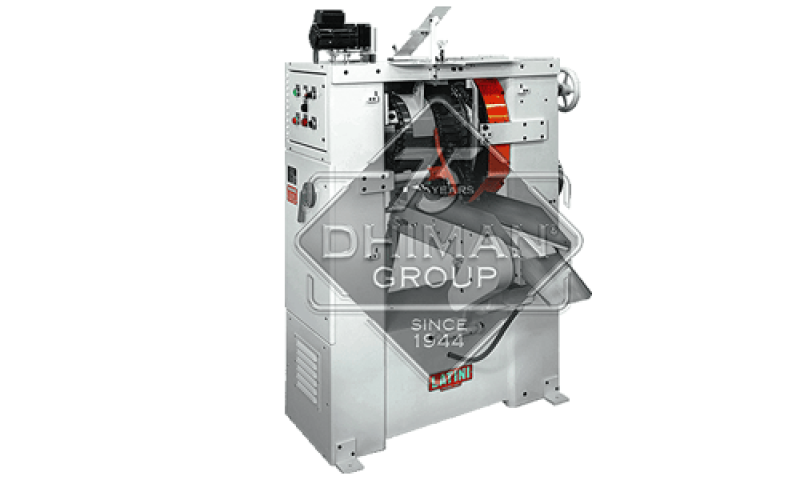
Before wrapping begins, lollipops must be formed into the required shape and size. A ball lollipop forming machine helps manufacturers produce spherical lollipops with greater consistency than processes relying heavily on manual forming.
Uniform shape and dimensions are important because they influence product appearance, packaging compatibility, and overall production quality. Automated forming equipment can help reduce variation between individual candies when operated with suitable recipes, materials, and settings.
What to Consider Before Choosing Forming Equipment
Businesses should assess the machine's production capacity, supported candy specifications, forming accuracy, and compatibility with the rest of their manufacturing line. The availability of adjustment options and straightforward maintenance procedures can also influence productivity.
Integrating a suitable forming machine with downstream wrapping equipment helps create a more coordinated production process. This can be particularly valuable for manufacturers expanding their product range or increasing output to serve new distribution channels.
Building a More Efficient Confectionery Production Line
Selecting individual machines is important, but manufacturers should also consider how each piece of equipment works with the others. A well-planned production line connects candy preparation, forming, cooling, and packaging without creating unnecessary delays.
For a lollipop manufacturer, this means matching the output of the forming equipment with the capacity of the wrapping system. If one machine operates significantly slower than another, products may accumulate between stages, reducing overall efficiency.
A practical equipment evaluation should include production targets, available floor space, energy requirements, operator training, maintenance schedules, and future expansion plans. Businesses should also confirm that their selected equipment meets applicable food-processing hygiene and workplace safety requirements.
Conclusion
Investing in suitable confectionery machinery can help manufacturers improve consistency, streamline operations, and prepare for growing market demand. A dependable lollipop wrapping machine supports professional packaging, while an automatic cut and flow wrap machine and a versatile Cut and Flow Wrap Machine can help simplify packaging operations for compatible products. Meanwhile, a reliable ball lollipop forming machine supports consistent shaping before the wrapping stage.
By evaluating production requirements, packaging materials, equipment compatibility, and long-term maintenance needs, confectionery businesses can make informed machinery investments. Choosing the right combination of forming and wrapping solutions creates a strong foundation for efficient, reliable, and scalable candy manufacturing.
Source:
Click for the: Full Story
You might like







You Might Like this