Close Menu
 World
World
 Biography
 Health
 Education
 Business
 Lifestyle
 Sports
 Technology
 Animals
 History
 Food
Food
 Religious
 Startups
 Movies
 Politics
 Fashion
 Covid
Covid
 Diet
Diet
 Fitness
 Marketing
 Travel
 Science
 Reviews
 Social media
 Stories
 Facts
Facts
 Art
Art
 Entertainment
Sakshi Padiyar

Education
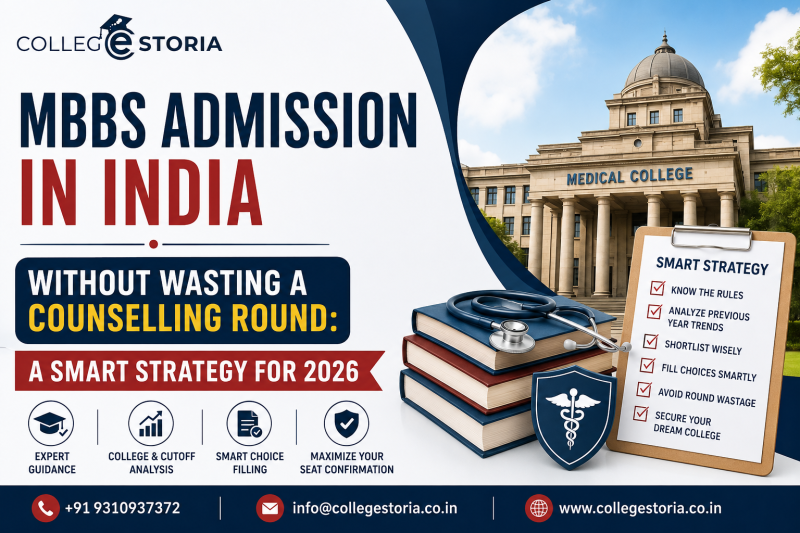
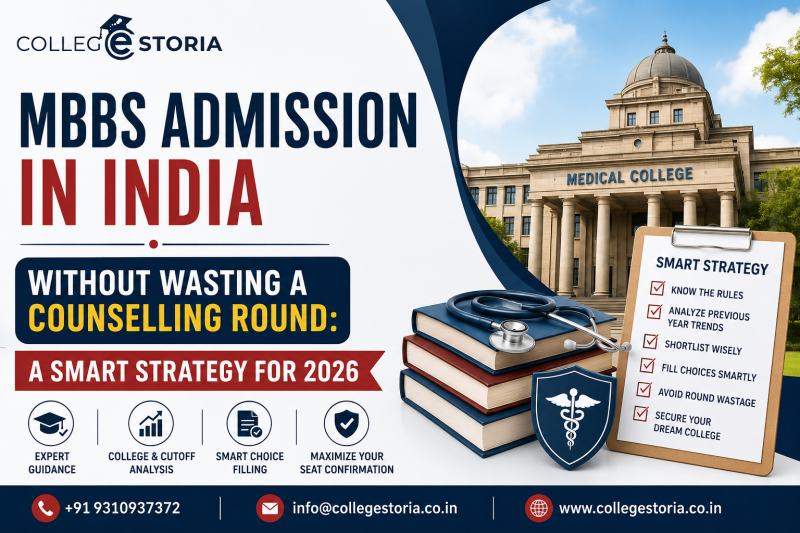
MBBS Admission in India Without Wasting a Counselling Round: A Smart Strategy for 2026
 Sakshi Padiyar
Introduction
Securing MBBS Admission in India is no longer just about achieving a good NEET score. Every year, thousands of students with competitive scores miss better opportunities simply because they make avoidable mistakes during the counselling process. In many cases, it is not the NEET rank but the counselling strategy that determines the final college allotment.
Whether you are applying through MCC counselling or your state counselling authority, every counselling round is valuable. Losing even one round due to poor planning, incorrect choice filling, or incomplete documentation can significantly affect your chances of getting into your preferred medical college.
So, how can you maximise every opportunity and avoid wasting a counselling round in 2026?
This guide explains practical strategies that can help students make informed decisions throughout the MBBS Admission in India process while improving their chances of securing the best possible medical college.
Why Every Counselling Round Matters
Many students believe they can skip an early counselling round and participate later without consequences. However, each round offers a fresh opportunity to secure a seat, upgrade to a better college, or understand the admission landscape.
Missing a counselling round may result in:
- Losing access to preferred colleges
- Reduced seat availability in later rounds
- Increased competition
- Limited college choices
- Unnecessary stress during the admission process
Approaching every round strategically can improve your overall admission outcome.
Understand the Counselling Process Before Registration
One of the biggest mistakes students make is registering without fully understanding how counselling works.
Before starting the admission process, know the difference between:
- MCC counselling
- State counselling
- Government quota
- Private medical colleges
- Deemed universities
- Management quota
- NRI quota
Each counselling authority has its own eligibility criteria, registration schedule, fee structure, and admission rules. Reading the official counselling guidelines carefully helps avoid confusion later.
Don’t Build Your Strategy Around Just One Dream College
It is natural to have a preferred medical college, but limiting your choices to only one or two institutions can reduce your chances of admission.
Instead, prepare a balanced list that includes:
- Dream colleges
- Realistic options based on your NEET rank
- Safe colleges with a higher probability of admission
A diversified preference list gives you more opportunities during seat allotment.
Research Previous Year Cutoffs — But Don’t Depend Entirely on Them
Previous year’s closing ranks provide useful insights, but they should not be treated as fixed predictions.
Cutoffs change every year because of factors such as:
- Number of applicants
- Difficulty level of NEET
- Seat matrix changes
- Reservation policies
- Student preferences
Use previous trends only as a reference while keeping your options flexible.
Fill Maximum Relevant Choices
One of the simplest ways to avoid wasting a counselling round is by filling an adequate number of college choices.
Some students list only a handful of colleges, assuming they will receive one of them. If none of those colleges are allotted, they lose an opportunity that could have been avoided by adding more realistic options.
During MBBS Admission in India, students should include colleges they are genuinely willing to join while maintaining a balanced preference order.
Arrange College Preferences Carefully
Choice filling is not just about selecting colleges — it’s about arranging them strategically.
A good preference order usually considers:
- Academic reputation
- Hospital and clinical exposure
- Location
- Tuition fees
- Hostel facilities
- Internship opportunities
- Future career prospects
Avoid arranging colleges solely based on popularity. Choose according to your priorities and career goals.
Keep All Documents Ready Before Counselling
Document verification is an essential part of the admission process.
Missing or incorrect documents can delay or even affect your admission.
Prepare documents such as:
- NEET UG scorecard
- Admit card
- Class 10 and 12 certificates
- Identity proof
- Passport-size photographs
- Category certificate (if applicable)
- Domicile certificate (where required)
- Additional documents for management or NRI quota admissions
Keeping multiple photocopies along with original documents is always advisable.
Participate in Every Eligible Counselling Round
Many students skip counselling rounds because they expect a better opportunity later.
However, participating does not always prevent you from upgrading your seat in subsequent rounds, depending on the counselling rules.
By participating consistently, you increase your chances of:
- Securing an initial seat
- Upgrading to a better college
- Exploring more admission opportunities
Always read the latest counselling guidelines before making decisions about accepting, upgrading, or exiting a seat.
Don’t Ignore Private and Deemed Medical Colleges
Many aspirants focus only on government colleges.
While government colleges remain highly competitive, private and deemed universities also offer quality medical education.
Depending on your NEET score and budget, these institutions may provide excellent academic infrastructure, experienced faculty, and strong clinical exposure.
Keeping multiple options open reduces the risk of missing admission altogether.
Monitor Official Counselling Updates Regularly
Counselling schedules can change due to administrative decisions or revised notifications.
Students should regularly check:
- Registration dates
- Choice filling deadlines
- Seat allotment results
- Reporting schedules
- Document verification notices
Missing an important deadline can result in losing a valuable counselling opportunity.
Avoid Depending on Social Media Rumours
Every counselling season brings numerous unofficial updates and rumours regarding cutoffs, vacant seats, and admission rules.
Instead of relying on unverified information:
- Follow official counselling authorities.
- Verify every important update from authentic sources.
- Cross-check announcements before making admission decisions.
Making decisions based on rumours can lead to unnecessary mistakes.
Have a Backup Admission Plan
Not every student receives their preferred college in the first counselling round.
A smart admission strategy includes backup options such as:
- Additional counselling rounds
- State counselling participation
- Private medical colleges
- Deemed universities
- Management quota (where eligible)
- NRI quota (where applicable)
Having alternative options reduces anxiety and improves decision-making throughout the admission process.
Seek Guidance When Needed
Counselling involves multiple steps, deadlines, eligibility conditions, and documentation requirements. If you are unsure about any stage, seeking reliable guidance can help you avoid costly mistakes.
Students should understand:
- Which counselling authorities they are eligible for
- How to prepare a college preference list
- Which documents are required
- How seat upgrades work
- Which colleges match their NEET score and budget
Reliable guidance can make the admission journey more organised and less stressful.
Final Thoughts
The competition for MBBS Admission in India continues to grow every year, but careful planning can significantly improve your chances of securing a suitable medical college. Success is not determined solely by your NEET score — it also depends on how effectively you approach the counselling process.
Research colleges thoroughly, participate in every eligible counselling round, prepare your documents in advance, and make informed choices during preference filling. Even small strategic decisions can have a major impact on your final allotment.
If you are looking for structured information on MBBS in India, counselling procedures, college comparisons, eligibility, or documentation, platforms like Collegestoria provide updated educational resources that help students understand the admission process and make well-informed decisions.
Frequently Asked Questions
1. Can I participate in both MCC and state counselling for MBBS Admission in India?
Yes. If you meet the eligibility criteria, you can generally participate in both MCC counselling and your eligible state counselling processes. Doing so increases your chances of securing a medical seat.
2. Is it necessary to fill many college choices during counselling?
Yes. Filling a well-planned list of realistic college preferences improves your chances of getting a seat while still allowing opportunities for upgrades in later rounds, subject to counselling rules.
3. What is the biggest mistake students make during MBBS counselling?
One of the most common mistakes is poor choice filling. Many students either select too few colleges or arrange them without considering realistic admission possibilities.
4. Can I upgrade my allotted medical college?
Depending on the counselling authority and applicable rules, students may have opportunities to participate in later rounds for seat upgradation after accepting an allotted seat.
5. Which documents should I prepare before counselling?
Students should keep their NEET scorecard, admit card, academic certificates, identity proof, photographs, domicile certificate (if required), category certificate (if applicable), and any additional documents required for specific admission categories ready before counselling begins.
Source:
Click for the: Full Story
You might like