Close Menu
 World
 Biography
 Health
 Education
 Business
 Lifestyle
 Sports
 Technology
 Animals
 History
 Food
 Religious
 Startups
 Movies
 Politics
 Fashion
 Covid
 Diet
 Fitness
 Marketing
 Travel
 Science
 Reviews
 Social media
 Stories
 Facts
 Art
 Entertainment
George Hicksen

Business
Professional Plumbing Fixture Installation for Kitchens and Bathrooms
 George Hicksen
Plumbing fixtures play an important role in everyday home comfort. Sinks, faucets, toilets, showerheads, and other fixtures support daily activities in kitchens and bathrooms. Proper installation helps these fixtures work correctly and reduces the risk of leaks, poor drainage, and water damage.
Plumbing fixture installation requires careful measurements, suitable connections, and attention to water flow. A properly installed fixture improves convenience and helps homeowners maintain their plumbing systems.
Whether you are replacing an outdated faucet or installing a new bathroom sink, professional installation helps ensure that the fixture fits the space and connects correctly.
What Is Plumbing Fixture Installation?
Plumbing fixture installation involves fitting and connecting devices that supply or remove water inside a property. These fixtures connect to the home's water supply lines, drainage pipes, or both.
The installation process depends on the fixture type and existing plumbing setup. Some replacements require only minor adjustments, while others involve changes to water lines, drain connections, or mounting locations.
Common plumbing fixtures include:
- Kitchen sinks, bathroom sinks, faucets, toilets, showerheads, bathtubs, and garbage disposals.
- Water supply connections, drain assemblies, sink strainers, shower valves, and other compatible plumbing components.
Professional installation helps ensure that each component fits properly and works with the existing plumbing system.
Why Proper Fixture Installation Matters?
Incorrect plumbing installation can lead to several problems. Loose connections may cause leaks, while poorly fitted drain components can create drainage issues.
Prevents Water Leaks
Water leaks can damage cabinets, flooring, walls, and nearby building materials. Proper installation helps create secure connections between fixtures and plumbing lines.
A professional installer checks fittings, seals, and connections to reduce the risk of leaks.
Improves Water Flow
Faucets and showerheads should provide consistent water flow. Incorrect connections or unsuitable components can affect pressure and fixture performance.
Proper installation helps ensure that the fixture works as intended.
Supports Better Drainage
Sinks, tubs, and showers need properly fitted drain connections. Poor alignment can cause leaks and drainage problems.
A professional installer checks the drain assembly and connection points before completing the job.
Helps Protect Plumbing Components
Correct installation reduces unnecessary pressure on pipes, valves, and fittings. This helps protect connected plumbing components from avoidable damage.
Kitchen Plumbing Fixture Installation
Kitchen plumbing fixtures receive frequent use. A properly installed kitchen fixture supports food preparation, cleaning, and everyday household activities.
Kitchen Sink Installation
Kitchen sinks come in several designs, including drop-in, undermount, and farmhouse styles. Each design requires a suitable mounting method.
The installer checks the countertop opening, sink dimensions, mounting hardware, and drain alignment.
Proper sealing also helps prevent water from entering the cabinet space beneath the sink.
Kitchen Faucet Installation
Kitchen faucets include single-handle, double-handle, pull-down, and touch-operated models.
The installation process involves connecting the faucet to hot and cold water lines. The installer also checks the mounting base and supply connections.
After installation, the faucet should provide consistent water flow without leaks around its base or connections.
Garbage Disposal Installation
Garbage disposals connect beneath kitchen sinks and help process suitable food waste. Installation requires compatible sink fittings, drainage connections, and electrical connections.
Home electrical repair handyman must follow local codes and licensing requirements. A qualified professional should handle any required electrical connection.
Bathroom Plumbing Fixture Installation
Bathrooms contain several fixtures that require reliable water supply and drainage.
Toilet Installation
Toilet installation requires correct positioning, secure mounting, and proper connection to the water supply.
The installer checks the toilet flange, floor condition, wax ring or approved seal, and water connection.
An incorrectly installed toilet may leak around its base or rock during use. Proper installation helps prevent these issues.
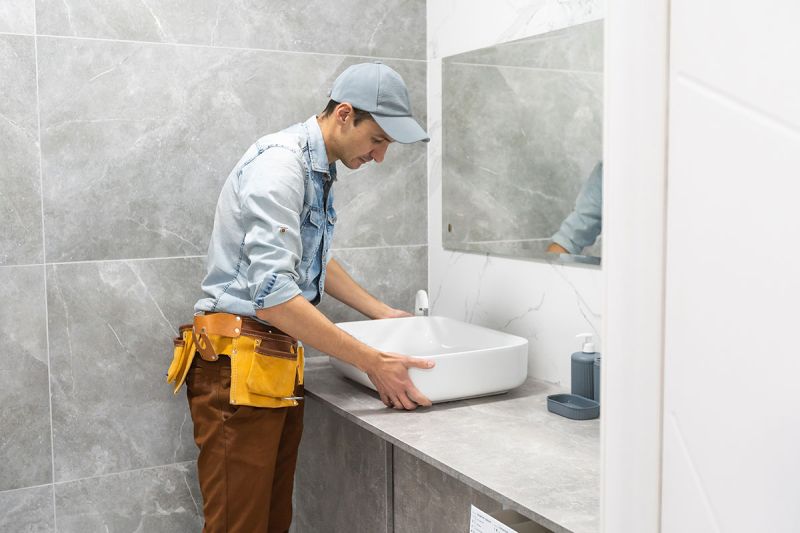
Bathroom Sink Installation
Bathroom sinks come in pedestal, wall-mounted, vessel, and vanity styles.
The installer checks the available space, mounting support, drain location, and faucet compatibility.
Proper alignment helps create a clean appearance and supports reliable drainage.
Showerhead and Faucet Installation
Showerheads and bathroom faucets must connect correctly to the existing plumbing system.
The installer checks the threaded connections, sealing materials, and water flow. A suitable fixture also helps homeowners maintain a comfortable shower experience.
Bathtub Fixture Installation
Bathtub installation may involve faucets, overflow assemblies, drain components, and other plumbing connections.
These components require accurate fitting to prevent leaks and drainage problems. More complex installations may require a licensed plumber.
Signs That You Need New Plumbing Fixtures
Old or damaged plumbing fixtures can affect water use and everyday convenience.
Common signs include:
- Persistent dripping, visible corrosion, loose handles, and damaged fixture surfaces.
- Reduced water flow, recurring leaks, poor drainage, and difficulty operating faucets or valves.
Homeowners should investigate these issues before they cause additional damage.
What to Consider Before Installing New Fixtures
Fixture selection affects installation requirements, appearance, and long-term use.
Fixture Size and Compatibility
The new fixture should match the available space and existing plumbing connections. Homeowners should check sink dimensions, faucet hole spacing, mounting requirements, and pipe locations.
Material and Finish
Plumbing fixtures come in several materials and finishes. Stainless steel, chrome, brushed nickel, and other finishes offer different appearances and maintenance needs.
The selected finish should suit the room and other existing hardware.
Water Efficiency
Water-efficient faucets, showerheads, and toilets can reduce household water use.
Homeowners should review product specifications and look for suitable WaterSense labeled products when available.
Installation Requirements
Some fixtures require additional plumbing work. Wall-mounted sinks, new shower valves, and relocated drains may involve more extensive installation.
A professional assessment helps identify these requirements before work begins.
Frequently Asked Questions
1. How long does plumbing fixture installation take?
A simple faucet replacement may take a short appointment. Toilet, sink, or bathtub fixture installations can take longer depending on the plumbing setup.
2. Can I replace a faucet without replacing the sink?
Yes. A compatible faucet can usually replace an existing faucet without changing the sink. The mounting holes and connections must match.
3. Why does my new faucet leak?
A faucet may leak because of loose connections, damaged seals, incorrect installation, or defective components. The source of the leak should be checked.
4. How often should plumbing fixtures be replaced?
There is no fixed replacement schedule. Homeowners should replace fixtures when they show damage, repeated leaks, poor performance, or outdated features.
5. Can a handyman install bathroom fixtures?
A handyman may install certain fixtures when local laws allow the work and the professional has the required experience. More complex plumbing work may require a licensed plumber.
Conclusion
Proper plumbing fixture installation helps homeowners maintain reliable water supply, drainage, and everyday comfort. From kitchen faucets to bathroom sinks and toilets, correct installation protects connected plumbing components and helps prevent avoidable leaks.
For professional home improvement and plumbing fixture installation in Dayton, OH and surrounding areas, I Know a Guy Mechanical is the best company to consider. The company helps homeowners with practical installation and repair needs while supporting comfortable, functional living spaces.
Source:
Click for the: Full Story
You might like