


 Close Menu
 World
World
 Biography
 Health
 Education
 Business
 Lifestyle
 Sports
 Technology
 Animals
 History
 Food
Food
 Religious
 Startups
 Movies
 Politics
 Fashion
 Covid
Covid
 Diet
Diet
 Fitness
 Marketing
 Travel
 Science
 Reviews
 Social media
 Stories
 Facts
Facts
 Art
Art
 Entertainment
samiksha

Business
How Much Do Healthcare Software Development Services Cost in 2026?
 samiksha
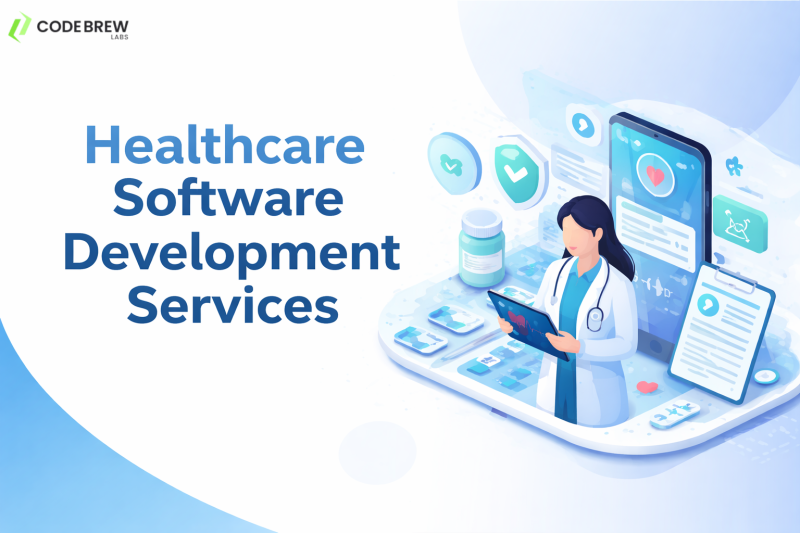
The demand for digital healthcare solutions is at an all-time high, making healthcare software development services a critical investment for hospitals, startups, and medical enterprises. From telemedicine platforms to AI-driven diagnostics systems, healthcare software is transforming the way medical services are delivered.
But one of the most common questions businesses ask is:
“How much do healthcare software development services cost in 2026?”
The answer isn’t straightforward. The cost depends on multiple factors, including features, complexity, technology stack, compliance requirements, and development team expertise.
In this blog, we’ll break down the cost of healthcare software development services, key pricing factors, and how you can optimize your budget effectively.
Why Invest in Healthcare Software Development Services?
Before diving into the cost, it’s important to understand the value of investing in healthcare software.
Healthcare software helps:
- Improve patient care and engagement
- Streamline hospital operations
- Enable remote monitoring and telemedicine
- Enhance data security and compliance
- Increase overall efficiency and profitability
In 2026, healthcare businesses that embrace digital solutions are better positioned to scale and compete.
Average Cost of Healthcare Software Development Services in 2026
The cost of healthcare software development varies widely depending on the scope and complexity of the project.
Estimated Cost Breakdown
- Basic Healthcare Software: $25,000 – $50,000
- Mid-Level Solution: $50,000 – $120,000
- Advanced Healthcare Software: $120,000 – $300,000+
These estimates can vary based on customization, integrations, and advanced technologies like AI or IoT.
Key Factors Affecting Healthcare Software Development Costs
1. Project Complexity
The more complex your software, the higher the cost.
- Basic apps (appointment booking, simple dashboards) → Lower cost
- Advanced systems (AI diagnostics, real-time monitoring) → Higher cost
2. Features and Functionality
The number and type of features significantly impact pricing.
Common features include:
- User registration and profiles
- Appointment scheduling
- Telemedicine integration
- Electronic Health Records (EHR)
- Payment gateways
- Notifications and alerts
Advanced features like AI recommendations or wearable integrations will increase costs.
3. Compliance and Security Requirements
Healthcare software must comply with strict regulations, such as:
- HIPAA
- GDPR
- HL7/FHIR standards
Implementing secure architectures, encryption, and compliance frameworks adds to the overall cost but is essential for protecting sensitive patient data.
4. UI/UX Design
A user-friendly and intuitive interface is crucial in healthcare software.
- Basic UI → Lower cost
- Custom, interactive UI/UX → Higher cost
Good design improves user engagement and patient satisfaction.
5. Technology Stack
The choice of technology affects both development cost and performance.
- Frontend: React, Angular
- Backend: Node.js, Python
- Cloud: AWS, Google Cloud
Advanced technologies like AI, blockchain, or IoT will increase development expenses.
6. Development Team Location
The cost of hiring developers varies by region:
- North America: $100 – $200/hour
- Europe: $70 – $150/hour
- Asia: $25 – $80/hour
Outsourcing to experienced teams in cost-effective regions can significantly reduce expenses.
7. Third-Party Integrations
Integrating external services such as:
- Payment gateways
- EHR systems
- Wearable devices
- APIs for telemedicine
can increase development costs depending on complexity.
8. Maintenance and Updates
Healthcare software requires ongoing maintenance, including:
- Bug fixes
- Security updates
- Feature enhancements
Annual maintenance typically costs 15–25% of the initial development cost.
Cost Breakdown by Development Stage
Understanding how costs are distributed across development stages can help in planning your budget.
Planning & Research
~10% of total cost
UI/UX Design
~15–20%
Development
~40–50%
Testing & QA
~15–20%
Deployment & Maintenance
~10–15%
How to Optimize Healthcare Software Development Costs
1. Start with an MVP (Minimum Viable Product)
Focus on core features first, then scale gradually.
2. Choose the Right Development Partner
Work with experienced providers offering scalable and secure solutions.
3. Use Pre-Built Solutions Where Possible
Leverage existing frameworks to reduce development time.
4. Prioritize Features
Avoid unnecessary features in the initial phase.
5. Opt for Cloud-Based Solutions
Cloud infrastructure reduces hardware and maintenance costs.
Future Trends Impacting Costs in 2026
Several trends are influencing healthcare software development costs:
- AI and Machine Learning Integration
- IoT and Remote Patient Monitoring
- Blockchain for Data Security
- Cloud-Native Development
While these technologies may increase initial costs, they provide long-term value and scalability.
Is Healthcare Software Development Worth the Investment?
Absolutely. Despite the upfront cost, healthcare software delivers long-term benefits:
- Increased operational efficiency
- Improved patient outcomes
- Higher revenue potential
- Competitive advantage
In 2026, investing in healthcare software is not just an expense—it’s a strategic move for growth.
Conclusion
The cost of healthcare software development services in 2026 depends on various factors, including complexity, features, compliance, and development approach. While the investment can be significant, the returns in terms of efficiency, scalability, and patient satisfaction make it worthwhile.
For businesses looking to stay competitive in the digital healthcare landscape, investing in the right healthcare software solution with a trusted partner like Code Brew Labs is essential.
Source:
Click for the: Full Story
You might like