Close Menu
 World
World
 Biography
 Health
 Education
 Business
 Lifestyle
 Sports
 Technology
 Animals
 History
 Food
Food
 Religious
 Startups
 Movies
 Politics
 Fashion
 Covid
Covid
 Diet
Diet
 Fitness
 Marketing
 Travel
 Science
 Reviews
 Social media
 Stories
 Facts
Facts
 Art
Art
 Entertainment
Payal Varsani

Business
Sell Online Without Website Using AI Commerce Tools
 Payal Varsani
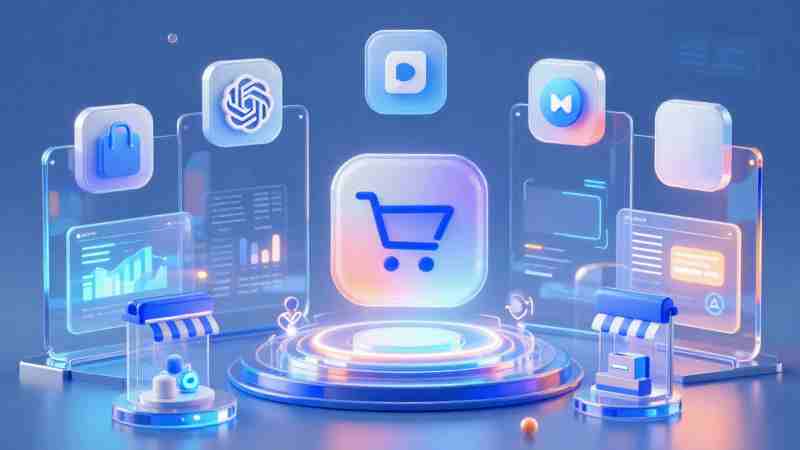
The ecommerce landscape has evolved dramatically over the past few years. While having a dedicated online store remains a popular way to sell products, many entrepreneurs today are discovering that it's possible to start selling online without building a traditional website first. Thanks to modern AI commerce tools, businesses can showcase products, engage customers, process orders, and grow revenue through multiple digital channels with minimal technical effort.
For small business owners, home-based sellers, creators, and startups, this approach offers a faster path to market. Instead of investing significant time and resources into website development, businesses can focus on validating products, building customer relationships, and generating sales.
However, while selling without a website can be an excellent starting point, long-term growth often requires a scalable ecommerce solution. That's where AI-powered platforms are helping businesses bridge the gap between simple online selling and building a professional digital storefront.
In this article, we'll explore how AI commerce tools enable businesses to sell online without a website, the advantages and limitations of this model, and why transitioning to a dedicated ecommerce platform can support sustainable growth.
What Does It Mean to Sell Online Without a Website?
Selling online without a website refers to using digital channels other than a traditional ecommerce store to market and sell products.
Common examples include:
- Social media platforms
- Messaging applications
- Online marketplaces
- Digital catalogs
- Direct payment links
- Community groups
Many small businesses begin their ecommerce journey through these channels because they are easy to access and require minimal setup.
For example, a home-based clothing seller may promote products through Instagram and process orders through messaging apps. Similarly, a local business might use social commerce features to connect directly with customers.
AI commerce tools have enhanced this model by making product management, customer communication, and order processing much more efficient.
How AI Commerce Tools Are Changing Online Selling
Artificial intelligence is helping businesses simplify online selling in several important ways.
Product Organization
AI tools can help categorize products, manage inventories, and maintain consistent product information.
Customer Communication
Automated responses allow businesses to answer common customer questions quickly.
Sales Recommendations
AI-powered systems can suggest products based on customer preferences and browsing behavior.
Marketing Optimization
Businesses can improve campaign performance using intelligent insights and automation.
Data Analysis
AI helps identify sales trends and customer behavior patterns that support smarter decision-making.
These capabilities make it easier for businesses to manage online operations, even without a traditional ecommerce website.
Atlas AI Store Builder and the Future of Ecommerce
As businesses grow, many eventually realize that relying solely on social media or marketplaces can limit scalability.
This is why solutions inspired by the Atlas AI Store Builder approach are gaining popularity.
Modern AI-powered store builders help entrepreneurs transition from informal selling channels to professional ecommerce operations without overwhelming complexity.
Benefits include:
- Faster store creation
- Simplified product management
- Better customer experiences
- Improved search visibility
- Greater business control
The Atlas AI Store Builder concept reflects a broader trend toward intelligent ecommerce platforms that simplify online business management while supporting long-term growth.
For entrepreneurs who start by selling without a website, AI-powered store builders offer a natural next step.
Advantages of Selling Without a Website
There are several reasons why businesses choose this approach initially.
Lower Startup Costs
Entrepreneurs can begin selling without investing heavily in website development.
Faster Market Entry
Products can be introduced to customers almost immediately.
Simpler Operations
Social platforms and marketplaces often provide built-in audiences and selling tools.
Easier Product Testing
Businesses can validate demand before investing in a dedicated ecommerce store.
These advantages make website-free selling attractive for startups and first-time entrepreneurs.
Limitations of Selling Without a Website
While selling without a website can be effective initially, there are important limitations to consider.
Limited Brand Control
Businesses depend on third-party platforms and their policies.
Reduced Customer Ownership
Customer relationships are often controlled by the platform rather than the business.
Limited SEO Opportunities
Without a dedicated website, businesses miss opportunities to generate organic search traffic.
Scalability Challenges
Managing larger product catalogs and customer volumes becomes more difficult over time.
Platform Dependency
Changes to algorithms or platform rules can significantly impact visibility and sales.
For these reasons, many growing businesses eventually invest in a dedicated ecommerce platform.
Why the Best Ecommerce Website Builder Matters
When businesses are ready to scale, choosing the best ecommerce website builder becomes a critical decision.
A strong ecommerce platform provides:
- Greater brand control
- Better customer experiences
- Enhanced SEO capabilities
- Improved analytics
- Long-term scalability
The best ecommerce website builder allows businesses to create professional stores without requiring advanced technical knowledge.
Features to prioritize include:
- Mobile responsiveness
- Secure payment processing
- SEO tools
- Product management capabilities
- Marketing integrations
These elements help create a sustainable foundation for future growth.
Why Entrepreneurs Are Exploring Shopify Alternatives India
Many business owners researching ecommerce platforms are also evaluating Shopify alternatives India.
Several factors drive this trend.
Local Business Requirements
Indian merchants often need support for:
- Regional payment gateways
- GST compliance
- Local shipping providers
- Localized customer experiences
Cost Considerations
Startups frequently seek solutions that balance functionality with affordability.
Greater Flexibility
Some businesses prefer platforms that offer more customization and operational control.
Modern Automation Features
Entrepreneurs increasingly prioritize ecommerce platforms that simplify workflows through intelligent automation.
As India's ecommerce market continues to expand, interest in Shopify alternatives India is expected to remain strong.
Evaluating the Best Shopify Alternatives
Finding the best Shopify alternatives requires careful consideration of business goals and operational requirements.
Ease of Use
The platform should be intuitive for both beginners and experienced merchants.
Ecommerce Functionality
Strong inventory, product, and order management tools are essential.
SEO Support
Organic visibility remains a key driver of long-term ecommerce success.
Scalability
The platform should support business growth without creating technical obstacles.
Customer Support
Reliable support helps businesses resolve issues quickly and maintain smooth operations.
The best Shopify alternatives provide the flexibility and features necessary for sustainable growth.
Practical Tips for Businesses Selling Online
Whether you're selling through social media, marketplaces, or your own website, the following strategies can improve results.
Build Trust
Use clear policies, customer reviews, and secure payment methods.
Invest in Product Photography
High-quality visuals improve customer confidence.
Focus on Customer Service
Quick responses and transparent communication strengthen relationships.
Track Performance
Use analytics to identify opportunities and optimize sales strategies.
Plan for Growth
Even if you start without a website, consider how your business will scale over time.
Businesses that plan strategically are better positioned for long-term success.
Why Shopeasy AI Is a Smart Choice for Growing Businesses
For entrepreneurs ready to move beyond social selling and build a professional ecommerce presence, Shopeasy AI offers a trusted and user-friendly solution.
Shopeasy AI helps businesses create online stores quickly while simplifying ecommerce management.
Some key benefits include:
- Easy store setup
- Beginner-friendly interface
- Ecommerce-focused functionality
- Scalable infrastructure
- Simplified product management
- Growth-oriented tools
Whether you're launching your first online store or transitioning from social commerce, Shopeasy AI provides the flexibility and support needed to grow confidently.
Conclusion
Selling online without a website is an excellent way for entrepreneurs to enter the ecommerce market quickly and validate product demand. Modern AI commerce tools make it easier than ever to manage products, engage customers, and generate sales through multiple digital channels.
However, businesses that want greater control, stronger branding, and long-term scalability eventually benefit from a dedicated ecommerce platform. Whether you're exploring solutions inspired by Atlas AI Store Builder, searching for the best ecommerce website builder, researching Shopify alternatives India, or comparing the best Shopify alternatives, choosing the right platform is essential for sustainable growth.
If you're ready to build a professional online store with a reliable and easy-to-use platform, visit https://shopeasy.ai/. Shopeasy AI provides the tools, simplicity, and flexibility needed to launch, manage, and grow a successful ecommerce business in 2026 and beyond.
Source:
Click for the: Full Story
You might like