Close Menu
 World
 Biography
 Health
 Education
 Business
 Lifestyle
 Sports
 Technology
 Animals
 History
 Food
 Religious
 Startups
 Movies
 Politics
 Fashion
 Covid
 Diet
 Fitness
 Marketing
 Travel
 Science
 Reviews
 Social media
 Stories
 Facts
 Art
 Entertainment
Sleek Cases

Business
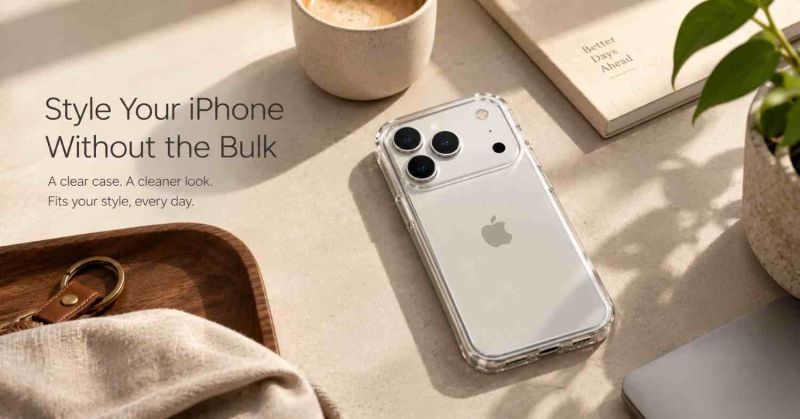
Slim iPhone Case Myths: Does Thin Mean Fragile?
 Sleek Cases
No, thin does not mean fragile. The thinnest iPhone case can still guard your phone from scratches, scuffs and short drops. What matters is the material and the build, not just the width. But no thin case beats a rugged case on a very big fall.
Many people buy a thick case “to be safe.” Then they hate the bulk. The case ends up in a drawer and the phone goes bare. That is the worst result. Apple launched the iPhone 18 Pro models in September 2026, so a lot of people are shopping for cases right now. Let’s sort the facts from the myths first.
Why people think thin cases are weak
The logic sounds simple. More material means more protection.
But think of a bike helmet. It is not very thick. It still saves heads, because of what it is made of and how it is shaped. Phone cases work the same way.
Marketing adds to the problem. Some brands shout “military grade” and show a huge, chunky case. Shoppers start to link big with safe.
Myth 1: A thin case cannot protect your phone
A case protects by soaking up a hit and spreading it out. Material and shape do that job.
- A soft, bendy material like TPU squeezes on impact. It cushions the blow.
- A hard material like polycarbonate (PC) resists scratches and holds its shape.
- Many good slim cases use one or both.
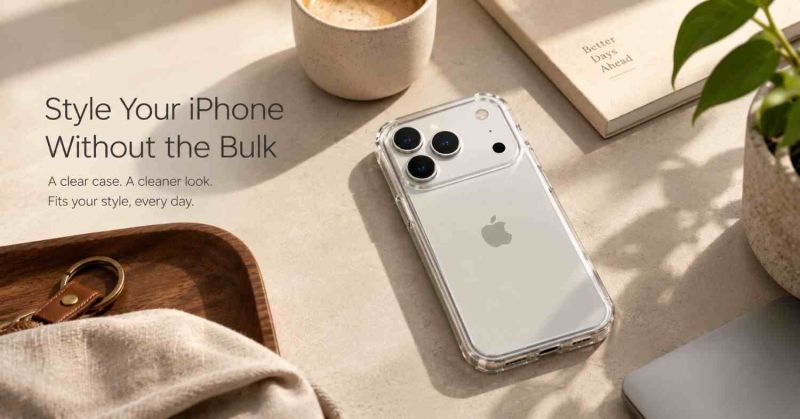
So a well-made ultra thin iPhone case can handle the knocks of a normal day.
Here is the honest part. A thin case has less room to cushion. It will not do what a rugged case does on a big drop.
Myth 2: A thick case always protects better
Not always. A thick case made of hard, brittle plastic can crack on impact. When it cracks, the force goes straight into your phone.
Thickness is only one part of the story. Material, shape and fit matter more.
Myth 3: “Military grade” means drop proof
This one trips up a lot of buyers.
“Military grade” usually points to a US military test called MIL-STD-810G. For phone cases, the common version means 26 drops from about 4 feet (1.2 metres) onto plywood over concrete. That is a little higher than a kitchen bench. A newer version, 810H, came out in 2019. The core drop test is about the same.
Now the catch:
- No single body certifies cases. Brands can test themselves.
- Drop heights can differ from brand to brand.
- The label alone does not tell you much.
Tech writers at Digital Trends say it is a useful sign, but you should read the fine print. Ask three things. What height? Was the phone inside the case? Who ran the test?
And remember this. A thick case does not pass automatically. A thin case does not fail automatically.
Myth 4: Slim cases leave the screen and camera open to harm
Many slim cases have a small raised edge around the screen and camera. It keeps the glass off a flat table when you set the phone down.
So if you want a phone case slim enough for your pocket, check the edges first. A thin case can still have a lip.
Myth 5: Thin cases scratch and turn yellow fast
This is partly true, mostly for clear cases.
- TPU can yellow over time, especially with sun and heat.
- PC tends to resist yellowing, but it absorbs less shock.
- Hybrid cases mix both to balance the trade-off.
- Matte or frosted finishes hide fingerprints and fine scratches better than glossy ones.
If you like a frosted iPhone 17 Pro cover, you are choosing a finish that stays tidy longer.
Myth 6: A thin case is only for looks
Most daily damage is small. Think scratches on the back, chipped corners, and a slide off the couch or desk. A slim case handles these well.
Picture someone with an iPhone 17 Pro case who works in an office. Their phone rides in a bag and sits on a desk all day. Every drop is short and onto carpet or timber. A slim case suits that life fine.
Is the thinnest iPhone case too thin to trust?
It depends on how it is built and how you live.
The thinnest iPhone case is great if you want a barely-there feel. It guards against everyday wear. It is not made to survive a fall from a ladder onto concrete.
So the real question is not “how thin?” It is “what does my day look like?”
What really makes a case protect
- Material. TPU soaks up shock. PC fights scratches. Hybrids give you both.
- Corners. Corners often take the first hit when a phone falls.
- Raised lip. It keeps the screen and camera off flat surfaces.
- Fit. A loose case shifts and fails. A snug one stays put.
- Grip. A case you can hold firmly is less likely to be dropped at all. A matte finish helps.
What a thin case cannot do
Let’s be clear about the limits. A thin case:
- will not match a rugged case on big falls onto hard ground
- will not make your phone waterproof
- will not fix a phone that is already cracked
Now picture a site supervisor with an iPhone 17 Pro Max case who climbs ladders and works near concrete all day. For that person, a heavier rugged case is the smarter pick. Match the case to your day, not to a trend.
How to choose a slim case that is not fragile
- Check the material. The product page should say what the case is made of. If it does not, that is a warning sign.
- Look at the edges. Find a small raised lip around the screen and camera.
- Ask about the test. If a case claims a drop rating, look for the height and who tested it.
- Match your exact model. Cases are cut for one phone only. Pro and Pro Max sizes differ. For the new model, choose an iPhone 18 Pro case made for it.
- Pick a grippy finish. Matte or frosted surfaces are easier to hold.
- Be honest about your day. Browse slim iPhone cases if your drops are short and light. Go rugged if they are not.
The bottom line
Thin is not the same as fragile. Poor materials and a poor fit make a case fragile. A good slim case protects well for everyday life. It just has limits, and it is fair to know them before you buy.
FAQs
Does a thin iPhone case protect enough?
For everyday life, yes. It handles scratches, scuffs and short drops. If you want a slim phone case for daily use, check the material and edges. For big falls, a rugged case is safer.
What is the thinnest iPhone case that still protects?
There is no single winner. Look for a good material, a small raised lip and a snug fit. A well-built slim iPhone cover can balance feel and protection.
Do thin phone cases crack easily?
Cheap, brittle ones can. A case made from a flexible or well-engineered material is less likely to crack. Always check what it is made of.
Is a slim case a good choice for the iPhone 18 Pro Max?
Yes, if your drops are short and light. Choose an iPhone 18 Pro Max case cut for that exact size so the fit stays snug.
Does “military grade” mean my phone cannot break?
No. It usually means 26 drops from about 4 feet in a test. Brands often test themselves, so read the details.
Do thin clear cases turn yellow?
Some do over time, especially TPU in strong sun. PC resists yellowing better. Frosted or matte finishes also look tidy for longer.
Thin or thick: which is better for an iPhone 17 Pro Max?
It depends on your day. For desk and pocket life, thin works well. For harsh work sites, go thicker. Browse an iPhone 17 Pro Max cover in the style that fits you.
Source:
Click for the: Full Story
You might like