Close Menu
 World
World
 Biography
 Health
 Education
 Business
 Lifestyle
 Sports
 Technology
 Animals
 History
 Food
Food
 Religious
 Startups
 Movies
 Politics
 Fashion
 Covid
Covid
 Diet
Diet
 Fitness
 Marketing
 Travel
 Science
 Reviews
 Social media
 Stories
 Facts
Facts
 Art
Art
 Entertainment
Glenn Prior

Lifestyle
The Essential Newborn Clothing Checklist: Comfort, Quality, and Functionality
 Glenn Prior
Preparing for the arrival of a newborn is one of the most exciting phases of life. As expectant parents prepare their homes, building a sweet, functional wardrobe is often at the top of the list. However, stepping into the world of infant fashion can quickly feel overwhelming given the sheer volume of choices. Creating a thoughtful registry or shopping list requires balancing style with day-to-day practical needs. When selecting foundational wardrobe pieces for your new baby, starting with versatile, soft Baby onesies ensures your newborn stays snug, warm, and ready for daily naps and tummy time.
In this comprehensive buying checklist, we will guide you through building a sensible baby wardrobe. We will detail fabric safety, smart design features, seasonal needs, and simple care tips to help you make stress-free decisions for your little one.
Understanding the Essentials of Baby Fabric Selection
An infant's skin is remarkably delicate, thin, and prone to temporary irritation from rough surfaces or synthetic dyes. Selecting gentle, high-grade textiles is essential for keeping your baby comfortable around the clock.
Certified Organic Cotton
Organic cotton is widely regarded as the gold standard for infant apparel. Cultivated without synthetic pesticides or harsh chemical fertilizers, it offers hypoallergenic softness that breathes naturally, keeping your baby comfortable across varying temperatures.
Sustainable Bamboo Viscose
Bamboo-derived fabrics are exceptionally soft and silky to the touch. Bamboo possesses natural temperature-regulating properties, making it an excellent choice for regulating your baby’s body temperature during warm afternoons or chilly nights.
Gentle Modal and Elastic Ribbing
Modal fabrics derived from natural beechwood offer high flexibility and a buttery-soft feel. When blended into ribbed knits, modal allows clothes to stretch comfortably around your baby's body without leaving pinch marks or restricting natural movements.
Key Design Features That Make Caregiving Easier
While cute patterns capture your heart, practical design elements determine how effortless an outfit is to use during busy daily routines.
Lap Shoulders and Expandable Necklines
Garments designed with envelope-style lap shoulders stretch widely over your baby's head. More importantly, this design allows you to pull messy garments downward over the hips during unexpected diaper leaks, keeping your baby clean and comfortable.
Quick-Change Closure Systems
Fastening traditional buttons on an active baby can be challenging. Modern garments featuring magnetic fasteners, durable nickel-free snaps, or two-way zippers significantly speed up clothing changes, especially during late-night diaper updates.
Friction-Free Tagless Labels
Stiff labels and coarse interior seams can rub uncomfortably against tender skin. Quality infant garments use tagless printed labels and flatlock stitching to guarantee smooth, friction-free interior surfaces.
Building Your Checklist by Garment Category
Organizing your baby's closet into functional categories ensures you have clean, suitable options ready for every occasion.
Core Daily Essentials
Stocking your changing station with 8 to 10 lightweight base layers guarantees you are prepared for frequent daily updates. These simple pieces serve as standalone indoor outfits or comfortable undergarments during colder months.
Overnight Sleepwear
Infant sleepwear should fit snugly for safety while offering soothing warmth. One-piece footed sleepers protect tiny toes from chilly drafts without requiring loose blankets inside the crib environment.
Warm Outerwear and Layering Pieces
Soft cardigans, fleece hoodies, and footed pants make excellent mid-layers for chilly days. Easy-to-remove layers let you adjust your baby's warmth quickly when transitioning from cold outdoor strolls to warm indoor spaces.
Caring for Your Baby’s Wardrobe
Proper laundering preserves fabric quality, protects sensitive skin, and extends garment life across months of frequent washing.
Fragrance-Free Baby Detergents
Always wash infant apparel with plant-based, fragrance-free, hypoallergenic detergent. Conventional detergents often contain heavy fragrances and chemical brighteners that can trigger skin sensitivity.
Gentle Wash Cycles
Wash delicate clothes in cool water using gentle cycles to protect knit structures. Tumble drying on low heat or line drying outdoors maintains fabric elasticity and preserves print clarity over time.
Stylish One-Piece Outfits for Daytime Adventures
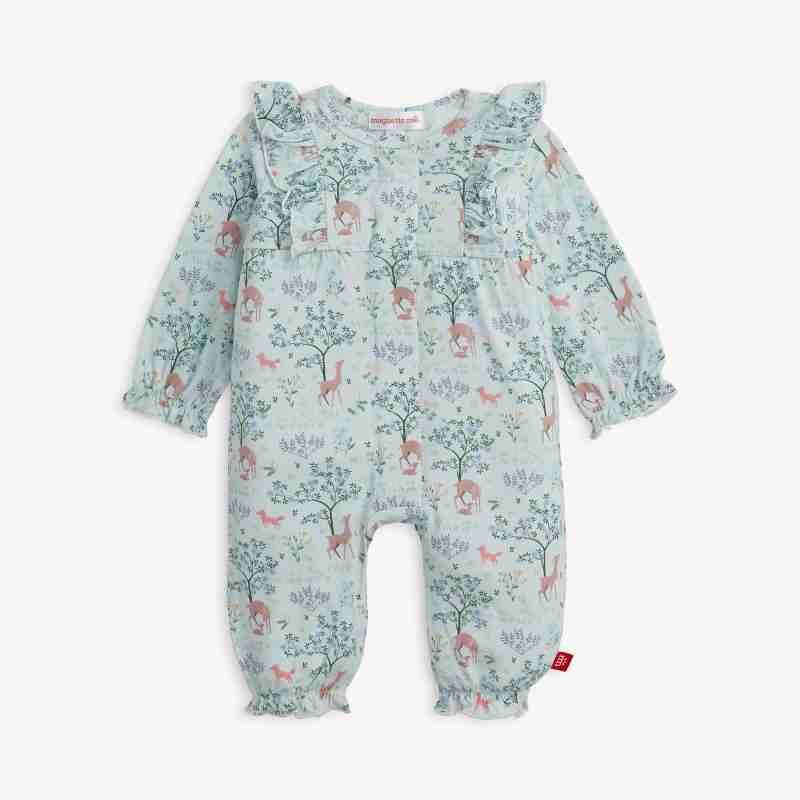
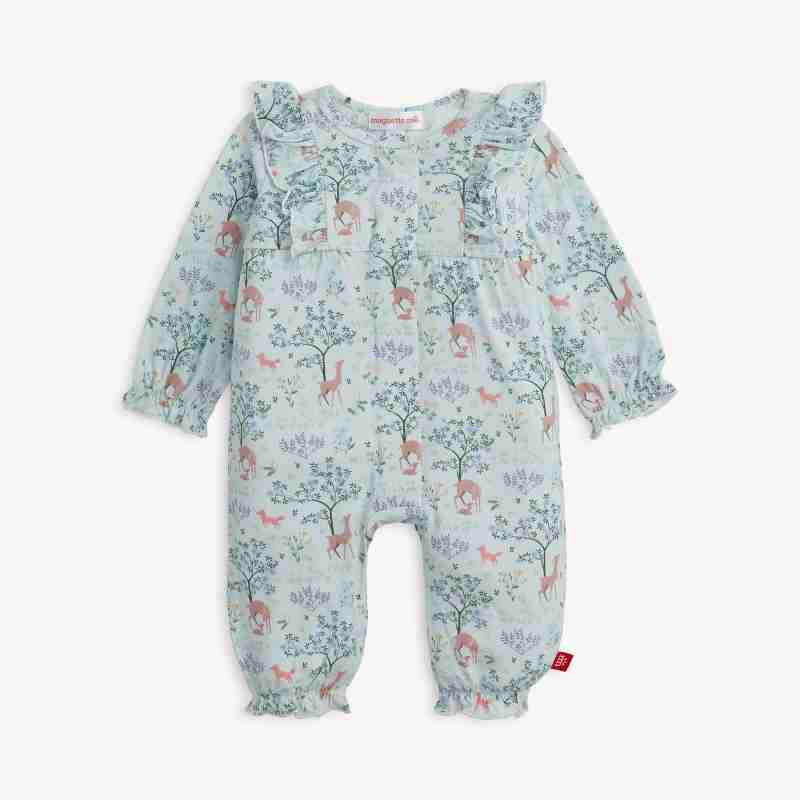
As your child transitions from newborn rest to active sitting, rolling, and crawling, their apparel should encourage natural physical movement. All-in-one outfits blend casual style with unrestricted flexibility, making daytime outings simple and fun. For sunny park strolls, family gatherings, and active playdates, choosing cheerful, comfortable Baby rompers provides a stylish, complete outfit that keeps your growing child happy and cozy all day long.
Conclusion
Building a practical newborn wardrobe should be a joyful, stress-free milestone. By focusing on breathable natural fabrics, functional closure designs, and versatile base layers, you create a safe, cozy environment where your baby can thrive. Investing in sensible, high-quality garments simplifies daily care routines, giving you more peaceful moments to cuddle and bond with your newborn.
Frequently Asked Questions (FAQs)
What size clothing should I buy for a newborn?
It is best to purchase a small selection of newborn sizes for the first few weeks, alongside a larger supply of 0-3 month sizes, as infants grow rapidly during their early weeks.
How do I check if my baby is too warm or too cold?
Gently touch the back of your baby's neck or chest. If the skin feels warm and dry, your baby is comfortable. If it feels sweaty, remove a layer; if it feels cool, add a cozy garment.
Are magnetic closures safe for infant clothing?
Yes, magnetic closures intended for baby apparel are encased securely inside layers of soft fabric, providing a fast, completely safe alternative to traditional snaps or buttons.
How many daytime outfits does a newborn go through each day?
Newborns typically require 2 to 4 outfit changes per day due to minor spit-ups or diaper leaks, making a well-stocked dresser essential for smooth caretaking.
Source:
Click for the: Full Story
You might like