Close Menu
 World
World
 Biography
 Health
 Education
 Business
 Lifestyle
 Sports
 Technology
 Animals
 History
 Food
Food
 Religious
 Startups
 Movies
 Politics
 Fashion
 Covid
Covid
 Diet
Diet
 Fitness
 Marketing
 Travel
 Science
 Reviews
 Social media
 Stories
 Facts
Facts
 Art
Art
 Entertainment
samiksha

Business
Top Healthcare App Development Trends Reshaping the Medical Industry.
 samiksha
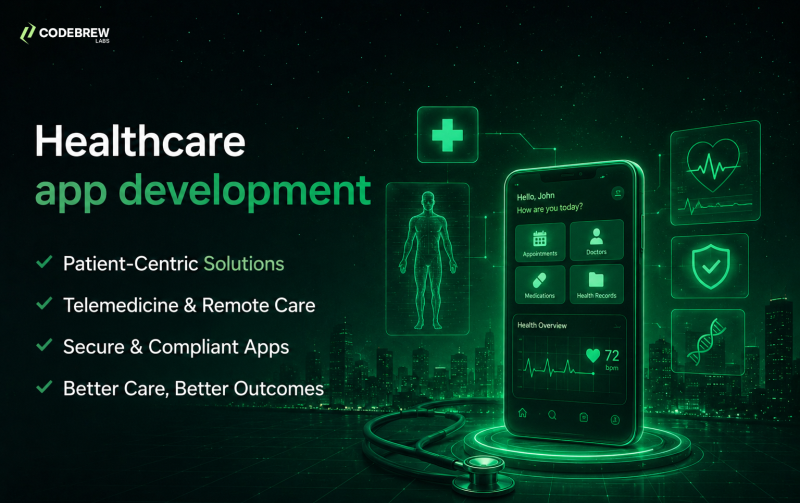
The healthcare industry is undergoing a massive digital transformation, and mobile applications are becoming one of the most powerful tools driving this change. From virtual doctor consultations and AI-powered diagnostics to wearable health monitoring and cloud-based healthcare systems, healthcare mobile apps are redefining how medical services are delivered across the world.
As patient expectations continue to rise, healthcare providers are adopting advanced technologies to improve patient care, streamline operations, and deliver personalized healthcare experiences. Healthcare app development is no longer limited to appointment booking or fitness tracking — it is now transforming every aspect of the medical industry.
In 2026, healthcare mobile applications will become smarter, faster, more secure, and highly data-driven. Emerging technologies like Artificial Intelligence (AI), Internet of Things (IoT), blockchain, machine learning, and cloud computing are reshaping the future of digital healthcare.
In this blog, we will explore the top healthcare app development trends that are revolutionizing the medical industry and changing the future of patient care.
The Growing Demand for Healthcare App Development
Healthcare mobile apps have become essential for hospitals, clinics, startups, and healthcare enterprises. The demand for healthcare app development is rapidly increasing because patients now prefer convenient and accessible healthcare solutions.
Several factors are driving this growth:
- Rising smartphone adoption
- Increased demand for telemedicine
- Growing awareness about digital healthcare
- Expansion of wearable healthcare devices
- Improved internet connectivity
- Rising investment in healthcare technology
- Growing need for remote patient monitoring
Healthcare businesses are investing heavily in mobile app development to improve operational efficiency and deliver better patient experiences.
1. Artificial Intelligence (AI) in Healthcare Apps
Artificial Intelligence is one of the biggest trends reshaping healthcare app development. AI-powered healthcare applications are helping medical professionals provide faster, more accurate, and personalized healthcare services.
AI is transforming healthcare apps through:
- Smart symptom checkers
- AI chatbots
- Predictive analytics
- Medical image analysis
- Personalized treatment recommendations
- Virtual health assistants
AI-powered healthcare apps can analyze large volumes of medical data and assist doctors in making better clinical decisions.
Benefits of AI in Healthcare Apps
- Faster diagnosis
- Improved patient engagement
- Better treatment accuracy
- Reduced healthcare costs
- 24/7 patient assistance
AI-driven healthcare applications are expected to dominate the future of digital healthcare solutions.
2. Telemedicine App Development
Telemedicine continues to be one of the fastest-growing healthcare app development trends.
Patients now prefer virtual consultations instead of visiting hospitals for minor health issues. Telemedicine apps allow patients to connect with doctors through:
- Video calls
- Voice consultations
- Real-time messaging
- Digital prescriptions
Telemedicine solutions improve healthcare accessibility, especially for rural areas and elderly patients.
Why Telemedicine Apps Are Growing
- Convenience for patients
- Reduced hospital visits
- Faster medical consultations
- Lower healthcare costs
- Better remote healthcare access
Healthcare businesses are increasingly investing in telemedicine app development to expand their digital healthcare services.
3. Wearable Device Integration
Wearable healthcare technology is rapidly changing how people monitor their health.
Modern healthcare apps integrate with wearable devices such as:
- Smartwatches
- Fitness trackers
- Heart rate monitors
- Glucose monitoring devices
- Sleep trackers
These devices collect real-time health data and share it with healthcare applications for analysis and monitoring.
Benefits of Wearable Integration
- Real-time health tracking
- Better chronic disease management
- Improved patient engagement
- Early health issue detection
- Continuous monitoring
Wearable technology is becoming a major component of healthcare mobile app development.
4. Remote Patient Monitoring (RPM)
Remote Patient Monitoring is becoming increasingly important in modern healthcare systems.
RPM apps allow doctors and healthcare providers to monitor patient health remotely using connected medical devices and mobile applications.
Healthcare providers can track:
- Blood pressure
- Heart rate
- Oxygen levels
- Diabetes data
- Physical activity
Advantages of RPM Solutions
- Reduced hospital readmissions
- Better chronic disease management
- Faster emergency response
- Improved healthcare accessibility
- Continuous patient monitoring
Remote patient monitoring apps are especially valuable for elderly patients and long-term disease management.
5. Blockchain Technology in Healthcare
Blockchain is emerging as a powerful technology for healthcare app development due to its strong security and transparency capabilities.
Healthcare applications use blockchain for:
- Secure patient data management
- Medical record sharing
- Fraud prevention
- Healthcare payments
- Supply chain management
Blockchain technology helps healthcare organizations improve trust, security, and data accuracy.
Benefits of Blockchain in Healthcare Apps
- Enhanced data security
- Better patient privacy
- Secure medical record sharing
- Improved transparency
- Reduced fraud risks
As healthcare cybersecurity concerns continue to grow, blockchain adoption is increasing rapidly.
6. Internet of Things (IoT) in Healthcare
IoT is revolutionizing healthcare app development by connecting medical devices, healthcare systems, and patients through smart technologies.
IoT-enabled healthcare applications help collect and analyze real-time medical data from connected devices.
Examples include:
- Smart health monitors
- Connected medical equipment
- Smart inhalers
- Smart insulin pens
- Remote monitoring systems
Benefits of IoT Healthcare Solutions
- Real-time patient monitoring
- Faster emergency response
- Improved healthcare efficiency
- Better patient care
- Reduced operational costs
IoT is expected to become one of the most important technologies in future healthcare ecosystems.
7. Cloud-Based Healthcare Applications
Cloud computing is becoming an essential trend in healthcare app development.
Cloud-based healthcare apps allow healthcare organizations to securely store and access patient data from anywhere.
Healthcare providers can use cloud systems for:
- Electronic Health Records (EHR)
- Data backup
- Medical data sharing
- Healthcare analytics
- Collaboration between departments
Benefits of Cloud-Based Healthcare Apps
- Improved data accessibility
- Better scalability
- Reduced infrastructure costs
- Enhanced collaboration
- Faster data management
Cloud technology is helping healthcare organizations improve operational efficiency and patient care.
8. Mental Health App Development
Mental health awareness has grown significantly in recent years, increasing the demand for mental health applications.
These apps provide:
- Therapy sessions
- Meditation guidance
- Stress management
- Mood tracking
- AI chatbot support
- Wellness monitoring
Mental health apps make healthcare support more accessible and affordable for users.
Why Mental Health Apps Are Trending
- Rising mental health awareness
- Increased stress and anxiety levels
- Demand for remote therapy
- Convenient mental wellness support
Mental healthcare is becoming a major focus area in digital healthcare transformation.
9. Electronic Health Record (EHR) Integration
Electronic Health Records are now essential for modern healthcare systems.
Healthcare apps integrated with EHR systems allow doctors and healthcare providers to access patient information quickly and securely.
Benefits of EHR Integration
- Faster patient data access
- Improved treatment coordination
- Better healthcare management
- Reduced paperwork
- Enhanced data accuracy
EHR integration improves operational workflows and enhances patient care quality.
10. Personalized Healthcare Experiences
Modern healthcare applications are becoming more personalized with the help of AI and data analytics.
Healthcare apps now provide:
- Personalized treatment recommendations
- Customized fitness plans
- Tailored health notifications
- Medication reminders
- Lifestyle suggestions
Personalized healthcare improves patient engagement and health outcomes.
Benefits of Personalized Healthcare Apps
- Better patient satisfaction
- Improved treatment adherence
- Enhanced health outcomes
- Stronger patient engagement
Personalization is becoming a major competitive advantage in healthcare app development.
11. Voice Technology in Healthcare Apps
Voice-enabled healthcare applications are improving accessibility and user convenience.
Voice technology allows users to:
- Schedule appointments
- Access health records
- Set medication reminders
- Ask health-related questions
- Interact with AI assistants
Voice-enabled healthcare systems are particularly beneficial for elderly users and patients with disabilities.
12. AR and VR in Healthcare Applications
Augmented Reality (AR) and Virtual Reality (VR) are introducing innovative possibilities in healthcare.
Healthcare organizations use AR and VR for:
- Medical training
- Surgical simulations
- Pain management
- Mental therapy
- Rehabilitation programs
These immersive technologies improve both medical education and patient treatment experiences.
Importance of Security in Healthcare App Development
As healthcare apps handle sensitive patient data, security has become one of the top priorities in healthcare mobile app development.
Healthcare applications must comply with regulations such as:
- HIPAA
- GDPR
- HITECH
Essential Security Features
- Data encryption
- Multi-factor authentication
- Secure cloud storage
- Role-based access control
- Secure APIs
Strong security systems help protect patient privacy and build trust.
Benefits of Healthcare App Development for Businesses
Healthcare app development offers significant advantages for healthcare organizations and startups.
Key Benefits Include
- Improved patient engagement
- Better operational efficiency
- Increased revenue opportunities
- Reduced healthcare costs
- Enhanced healthcare accessibility
- Stronger brand value
Healthcare businesses investing in mobile app development can gain long-term competitive advantages.
Challenges in Healthcare App Development
Despite its benefits, healthcare app development also presents several challenges.
Common Challenges
- Data security concerns
- Regulatory compliance
- Integration complexity
- High development costs
- User adoption barriers
Healthcare businesses must work with experienced healthcare app development companies to overcome these challenges successfully.
Future of Healthcare App Development
The future of healthcare mobile app development looks highly promising as advanced technologies continue to evolve.
The next generation of healthcare apps will focus on:
- AI-driven diagnosis
- Predictive healthcare analytics
- Smart wearable integration
- Real-time remote healthcare
- Personalized treatment systems
- Blockchain-based security solutions
Healthcare applications will continue transforming how healthcare services are delivered globally.
Conclusion
Healthcare app development is rapidly reshaping the medical industry by improving patient experiences, increasing healthcare accessibility, and streamlining medical operations.
Emerging technologies such as Artificial Intelligence, IoT, blockchain, wearable integration, cloud computing, and telemedicine are driving the future of digital healthcare.
As the demand for smarter and more efficient healthcare solutions continues to grow, healthcare businesses must embrace these trends to stay competitive and deliver better patient care.
Investing in innovative healthcare app development solutions with Code Brew Labs can help healthcare organizations build future-ready systems that improve efficiency, patient satisfaction, and long-term business growth.
Source:
Click for the: Full Story
You might like