Close Menu
 World
 Biography
 Health
 Education
 Business
 Lifestyle
 Sports
 Technology
 Animals
 History
 Food
 Religious
 Startups
 Movies
 Politics
 Fashion
 Covid
 Diet
 Fitness
 Marketing
 Travel
 Science
 Reviews
 Social media
 Stories
 Facts
 Art
 Entertainment
Liem Anaida

Technology
Top Motorcycle Dashboard Camera Accessories for Safer, Smarter Riding
 Liem Anaida
A motorcycle dashboard camera is only as good as the accessories that support it. The camera itself captures footage, but mounts, power supplies, memory cards, and protective gear determine whether that footage is clear, reliable, and available when you need it most. The right accessories can reduce vibration, improve weather resistance, simplify installation, and make your motorcycle dashboard camera far more useful in daily riding. This guide covers the top accessories for safer, smarter riding and explains what to look for when buying each one.
1. A Secure, Anti-Vibration Mount
The mount is the foundation of any motorcycle dashboard camera setup. A weak or poorly designed mount will produce shaky footage, and in the worst case, it can fail and send your camera onto the road. Look for mounts made from metal or reinforced composite materials rather than brittle plastic.
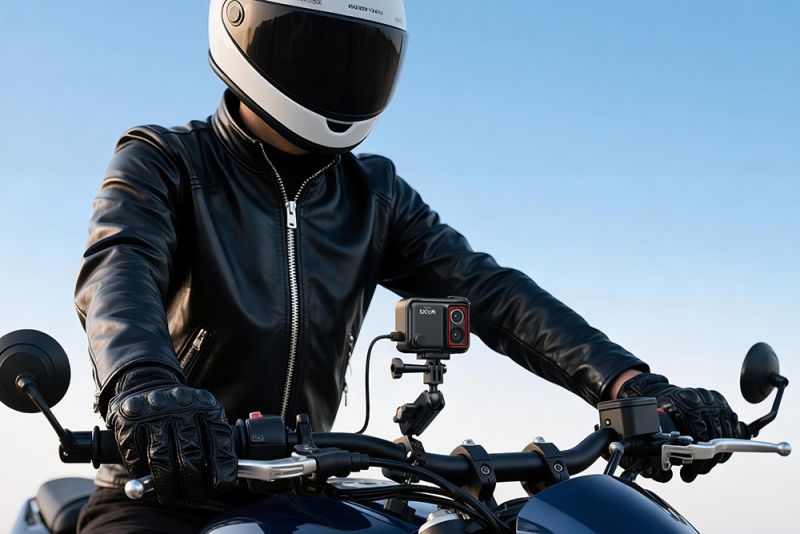
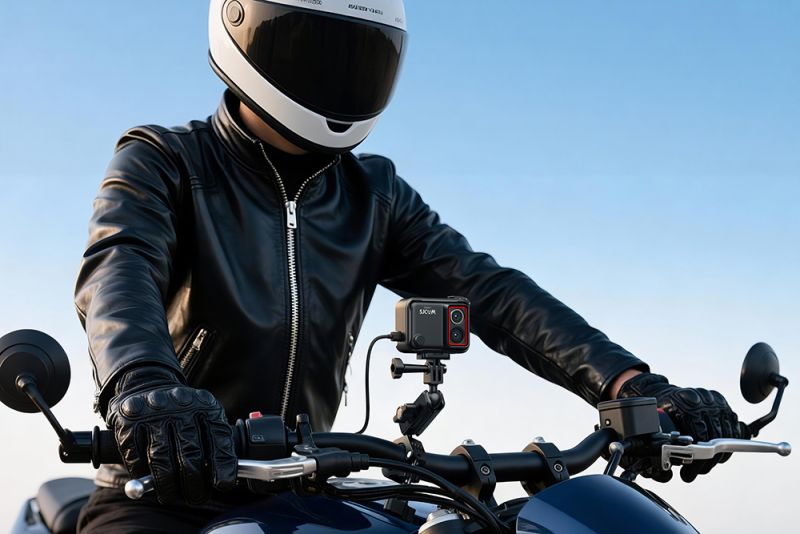
Anti-vibration rubber pads or silicone dampers are especially valuable on motorcycles. Engine vibration and road buzz can ruin otherwise good footage. A mount with a locking mechanism, such as a quick-release clamp or a screw-lock ball joint, helps keep the camera angle stable over time. For helmet mounting, choose a low-profile adhesive mount that does not compromise helmet integrity. For bike mounting, handlebar, mirror-stem, and fairing mounts are common choices, and each has trade-offs in visibility and accessibility.
2. A High-Endurance microSD Card
Many riders blame the camera when footage is missing or corrupted, but the real culprit is often a cheap memory card. A motorcycle dashboard camera records continuously, overwrites old files, and operates in hot and cold conditions. Standard microSD cards are not designed for this workload.
Choose a high-endurance card from a reputable brand, with a capacity that matches your camera’s supported limit. Format the card in the camera before first use and re-format it periodically. Keep a spare card on longer trips. A reliable card is one of the cheapest and most important accessories for a motorcycle dashboard camera, and it directly affects whether your footage survives an incident.
3. A Waterproof Housing or Sealed Case
Weather changes fast on a motorcycle. Even a camera marketed as water-resistant may struggle in heavy rain, especially around cable ports and buttons. A dedicated waterproof housing or sealed case adds a critical layer of protection.
When choosing a housing, check that it does not obstruct the lens or microphone and that it allows access to controls if needed. Apply dielectric grease to exposed connections and use silicone sealant around cable entry points if your installation requires it. For riders who commute year-round, waterproofing is not optional—it is essential for keeping a motorcycle dashboard camera functional.
4. A Reliable Power Solution
Power is where many installations fail. Internal batteries are convenient but may not last through a long ride, especially in cold weather. A hardwired power kit connected to a switched ignition source lets the motorcycle dashboard camera turn on and off automatically with the bike.
If you hardwire, use a fuse tap or relay to protect the circuit, and avoid tapping into safety-critical systems. For battery-powered cameras, consider a USB power bank or a dedicated motorcycle USB charger. Carry a short charging cable as a backup. A stable power supply prevents missed recordings and reduces the risk of corrupted files caused by sudden shutdowns.
5. Cable Management and Weatherproofing Kits
Loose cables are a safety hazard and a common cause of camera failure. Cable ties, adhesive clips, and protective sleeving keep wires away from hot engine parts, sharp edges, and moving suspension components. A weatherproofing kit with heat-shrink tubing, dielectric grease, and silicone sealant protects connections from water and corrosion.
Plan your cable route before installation. Leave a little slack near the camera and at connection points to prevent strain. Secure cables so they do not rub against the fairing or interfere with steering. Good cable management makes your motorcycle dashboard camera installation cleaner, safer, and more durable.
6. A Lens Cleaning Kit
A dirty lens produces blurry, unusable footage. Road grime, insects, and rain spots accumulate quickly on a motorcycle. A small lens cleaning kit with a microfiber cloth, a soft brush, and a safe cleaning solution helps you maintain image quality.
Clean the lens regularly, especially before long rides or after riding in rain. Avoid using abrasive materials that can scratch the lens coating. A clean lens is a simple accessory, but it makes a noticeable difference in footage clarity and license plate readability.
7. GPS Module or GPS-Enabled Camera
GPS adds speed, location, and time data to your footage. In an insurance claim or legal dispute, this metadata can strengthen your evidence. Some motorcycle dashboard cameras include built-in GPS, while others support an external GPS module.
If GPS matters to you, check that the data is accurate and easy to export. Also confirm that the GPS module is weather-resistant and that its cable is long enough for your mounting position. GPS is not essential for every rider, but for commuters and touring riders, it adds meaningful context to recorded incidents.
8. Dual-Camera Expansion or Rear Camera
A front-facing motorcycle dashboard camera covers most forward incidents, but rear-end collisions and tailgating are common risks. A rear camera or dual-camera system provides complete coverage.
If your current camera supports a rear add-on, check compatibility before buying. Dual-camera setups require more careful cable routing and power management, but they offer better protection in disputes. For riders who commute in heavy traffic, a rear camera is a worthwhile accessory.
9. A Protective Carry Case for Off-Bike Use
If you use an action camera as a motorcycle dashboard camera, a protective carry case is useful when you remove the camera from the bike. It protects the lens and body from scratches and impacts. A case also keeps accessories organized, so you can move the camera between bikes or use it off the motorcycle without losing mounts and cables.
10. A Spare Mount and Backup Battery
Small spare parts prevent big problems. A spare mount lets you switch between bikes or replace a worn bracket quickly. A backup battery or power bank keeps a battery-powered camera running on longer rides. These accessories are inexpensive but can save a ride when something fails.
Final Recommendation: SJCAM SJ30 Action Camera
If you want a versatile camera that works well as a motorcycle dashboard camera with the right accessories, consider the SJCAM SJ30 action camera. It is compact, mount-friendly, and suitable for riders who want high-resolution recording and flexible use on and off the bike. Pair it with a secure anti-vibration mount, a waterproof housing, a high-endurance microSD card, and a reliable power source to get the most from your setup. With proper accessories, the SJCAM SJ30 can capture your commute, weekend rides, and unexpected road incidents. For riders building a practical motorcycle dashboard camera system, the SJCAM SJ30 is a smart and portable choice.
Source:
Click for the: Full Story
You might like