Close Menu
 World
World
 Biography
 Health
 Education
 Business
 Lifestyle
 Sports
 Technology
 Animals
 History
 Food
Food
 Religious
 Startups
 Movies
 Politics
 Fashion
 Covid
Covid
 Diet
Diet
 Fitness
 Marketing
 Travel
 Science
 Reviews
 Social media
 Stories
 Facts
Facts
 Art
Art
 Entertainment
Sakshi Padiyar

Education
Top Private Medical Colleges Offering NRI Quota Admission in India
 Sakshi Padiyar
For many aspiring doctors, securing an MBBS seat in a reputed medical college is the first step toward a successful medical career. While government colleges remain highly competitive, NRI Quota Admission in India provides eligible students with an opportunity to study in some of the country's leading private and deemed medical institutions.
However, choosing the right medical college is not just about getting a seat. Students should evaluate factors such as academic reputation, hospital exposure, infrastructure, internship opportunities, faculty, research facilities, and fee structure before making a decision.
In this guide, we have listed some of the top private medical colleges offering NRI Quota Admission in India in 2026 to help students and parents make an informed choice.
What is NRI Quota Admission in India?
NRI Quota Admission in India refers to a reserved category of MBBS seats available in many private and deemed medical colleges for eligible NRI, OCI, PIO, and NRI-sponsored candidates.
Admission under this quota still requires students to qualify NEET UG and participate in the prescribed counselling process. Seat allotment is based on eligibility, NEET performance, counselling rules, and seat availability.
How to Choose the Right Medical College?
Before selecting a college under Quota Admission in India, consider the following factors:
- NMC recognition
- Hospital patient flow
- Clinical exposure
- Faculty experience
- Infrastructure and laboratories
- Hostel facilities
- Internship opportunities
- Previous academic performance
- Campus safety
- Location
- Tuition fees
- Placement for higher studies
Choosing a college based only on fees may not always be the best decision.
Also Read:
Management Quota Admission in India
List of Top Private Medical Colleges Approved by NMC
Top Private Medical Colleges Offering NRI Quota Admission in India
1. Kasturba Medical College (Manipal)
Kasturba Medical College is among India's oldest and most respected private medical colleges. It is known for:
- Excellent academic environment
- Modern simulation laboratories
- Advanced teaching hospitals
- Strong research opportunities
- Experienced faculty
- Excellent alumni network
The college attracts students from India and several other countries.
2. JSS Medical College, Mysuru
JSS Medical College is well known for quality medical education and excellent clinical training.
Highlights include:
- Modern hospital facilities
- Good patient exposure
- Research-focused learning
- Updated laboratories
- Strong internship experience
It remains one of the preferred options for eligible NRI candidates.
3. Sri Ramachandra Medical College, Chennai
This deemed university has established itself as one of the leading private medical institutions in South India.
Students benefit from:
- Large teaching hospital
- Advanced medical equipment
- Experienced professors
- Research opportunities
- International collaborations
The institution offers a comprehensive learning environment for MBBS students.
4. Kalinga Institute of Medical Sciences (KIMS), Bhubaneswar
KIMS has gained popularity because of its modern infrastructure and academic excellence.
Some advantages include:
- Multi-specialty hospital
- Digital learning facilities
- Well-equipped laboratories
- Excellent clinical exposure
- Modern campus
It continues to attract students from different parts of India.
5. Bharati Vidyapeeth Medical College, Pune
Bharati Vidyapeeth is one of the well-known deemed universities offering MBBS admission.
Students appreciate:
- Experienced faculty
- Advanced laboratories
- Comprehensive hospital training
- Good campus facilities
- Research opportunities
It remains a preferred choice for many NRI applicants.
6. DY Patil Medical College, Navi Mumbai
DY Patil Medical College is recognized for its modern teaching methodology and advanced healthcare facilities.
Major strengths include:
- High-quality infrastructure
- Excellent hospital exposure
- Advanced simulation labs
- Modern classrooms
- Active student development programs
7. Yenepoya Medical College, Mangaluru
Located in Karnataka, Yenepoya Medical College has become a popular destination for MBBS aspirants.
Key features include:
- NMC-recognized programs
- Modern teaching hospitals
- Skilled faculty
- Comfortable hostel facilities
- Good clinical training
8. Jawaharlal Nehru Medical College, Belagavi
This institution offers quality education with extensive clinical learning opportunities.
Students benefit from:
- Large hospital network
- Research facilities
- Modern laboratories
- Experienced teaching staff
- Strong academic environment
9. Santosh Medical College, Ghaziabad
Santosh Medical College is preferred by many students looking for MBBS admission in North India.
Its strengths include:
- Modern infrastructure
- Clinical exposure
- Experienced faculty
- Updated teaching methods
- Well-maintained campus
10. SRM Medical College Hospital & Research Centre, Chennai
SRM Medical College has developed an excellent reputation for quality education and advanced healthcare training.
Students receive:
- Practical learning experience
- Modern laboratories
- Multi-specialty hospital training
- Research opportunities
- Industry-oriented medical education
Why These Colleges Are Popular Among NRI Candidates
These institutions are preferred because they offer:
- Recognized MBBS degrees
- Experienced faculty members
- Advanced medical facilities
- Better patient exposure
- Excellent internship opportunities
- Modern classrooms
- Research-oriented education
- Strong academic reputation
Students should compare colleges based on their personal preferences rather than rankings alone.
Things to Check Before Applying
Before participating in counselling, verify:
- NMC approval
- NRI seat availability
- Annual tuition fees
- Hostel facilities
- Hospital infrastructure
- Internship opportunities
- College location
- Counselling authority
- Previous admission trends
Researching these factors beforehand helps students make informed decisions during choice filling.
Admission Process for NRI Quota
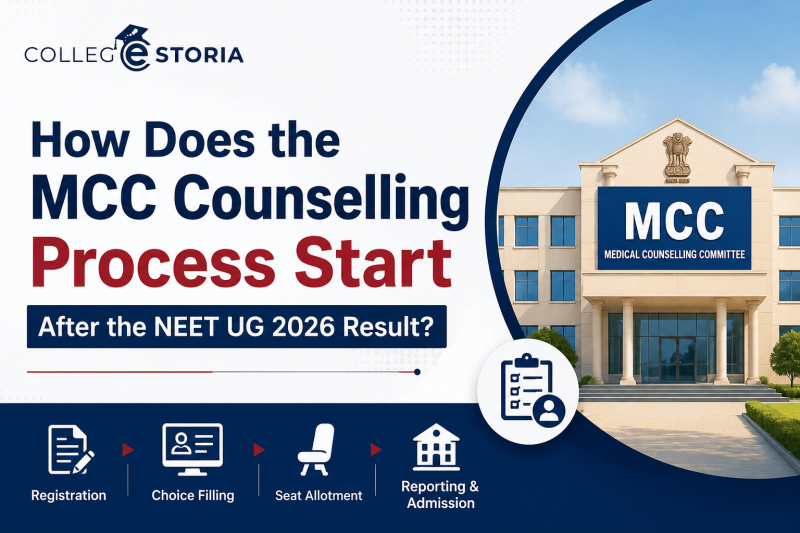
The admission process generally includes:
- Qualify NEET UG.
- Check NRI eligibility.
- Register for the appropriate counselling.
- Upload required documents.
- Fill preferred college choices.
- Participate in seat allotment.
- Report to the allotted college.
- Complete admission formalities.
Students should follow official counselling schedules carefully to avoid missing important deadlines.
Tips for Choosing the Best Medical College
When comparing colleges, ask yourself:
- Does the hospital receive a high number of patients?
- Is the college NMC approved?
- What are the internship opportunities?
- Are the laboratories modern?
- What is the faculty-to-student ratio?
- Does the college have a good academic reputation?
- Is the fee structure suitable for your budget?
- What are the hostel and campus facilities?
Making a checklist before counselling can simplify the decision-making process.
Frequently Asked Questions (FAQs)
1. Which are the best colleges for NRI Quota Admission in India?
Some leading options include Kasturba Medical College, JSS Medical College, Sri Ramachandra Medical College, KIMS Bhubaneswar, Bharati Vidyapeeth, DY Patil Medical College, Yenepoya Medical College, Jawaharlal Nehru Medical College, Santosh Medical College, and SRM Medical College.
2. Is NEET mandatory for admission under the NRI quota?
Yes. Every candidate must qualify NEET UG to be considered for admission.
3. Do all private medical colleges offer NRI quota seats?
No. The availability of NRI quota seats varies by institution and counselling authority.
4. How should I choose the right medical college?
Consider academic quality, hospital exposure, infrastructure, faculty, internship opportunities, fee structure, and location instead of focusing on one factor alone.
5. Can I apply to multiple colleges during counselling?
Yes. Eligible candidates can usually choose multiple colleges during the counselling process, depending on the applicable guidelines.
Source:
Click for the: Full Story
You might like